World
Israel Captures Beaufort Castle in Lebanon Offensive
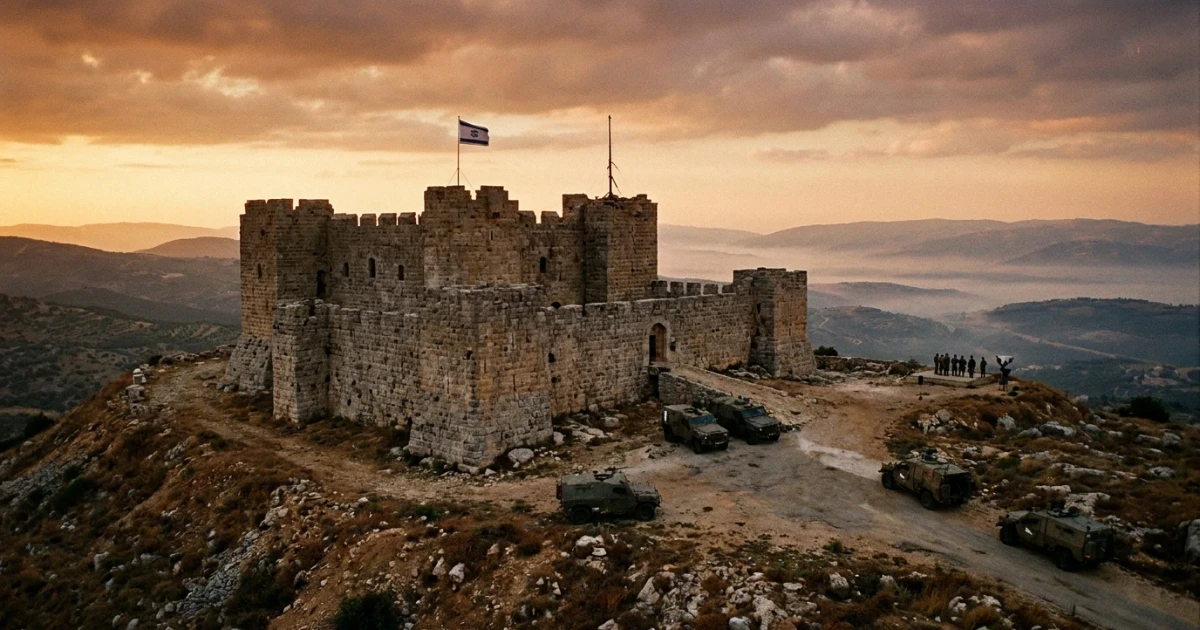
Israeli forces have captured Lebanon’s historic Beaufort Castle, a prominent site in the country’s southern hills, marking a significant moment in the ongoing regional conflict. Prime Minister Benjamin Netanyahu described the operation as a testament to Israel’s resilience, stating, "We returned stronger than ever."
Beaufort Castle: Symbolism and Strategic Value
Beaufort Castle, a medieval fortress perched atop a commanding ridge in southern Lebanon, has long held historic and strategic significance for both Lebanese and Israeli forces. Originally constructed by Crusaders in the 12th century, the site has repeatedly been a flashpoint in regional hostilities. During Israel’s previous occupation of southern Lebanon, the castle was used as an observation and command post, making it a highly contested site.
According to The Times of Israel, the recent capture of Beaufort Castle is being hailed by Israeli leadership as a demonstration of military strength and a return to a key defensive position. The operation evokes memories of the Battle of Beaufort Castle in 1982, a pivotal engagement in the Lebanon War, which also saw Israeli forces seize the fortress from Palestinian militants.
Military and Political Context
The renewed control over Beaufort Castle comes amid heightened tensions along the Israel-Lebanon border. Israeli officials have framed the operation as part of a broader strategy to secure the northern frontier and deter hostile activity. The symbolic recapture of the castle is intended to project resolve both to the Israeli public and to adversaries in the region.
While specific details of the military operation remain limited, the announcement was met with a mixture of celebration and caution in Israel. The site’s prominence in the national memory—especially for families of soldiers who fought in previous Lebanon conflicts—amplifies its significance. Data from the Israel Ministry of Defense shows that past battles for control of Beaufort Castle contributed to considerable military casualties over the decades.
International and Lebanese Reaction
Lebanese officials have denounced the Israeli incursion, describing it as a violation of sovereignty and a setback for efforts to stabilize the border region. The United Nations has a longstanding position on the situation in Lebanon, with Security Council Resolution 425 calling for Israeli withdrawal from Lebanese territory and respect for national borders. The latest developments may prompt renewed calls for international mediation and oversight.
Beaufort Castle itself is considered a site of cultural heritage, recognized for its architectural and historical value. UNESCO and other organizations have previously highlighted the risk that ongoing military activity poses to such landmarks, as well as to local civilian populations.
Humanitarian Concerns and Regional Stability
Reports from previous conflicts underscore the potential humanitarian impact of renewed fighting in southern Lebanon. According to Human Rights Watch, military operations along the Israel-Lebanon border have historically resulted in civilian casualties and displacement, raising concerns among international observers about the protection of non-combatants. The region’s rugged terrain and history of cross-border skirmishes make sustained peace elusive.
- Beaufort Castle has changed hands multiple times in modern history, underlining its role as a symbol of control in southern Lebanon.
- Israel’s military presence in Lebanon has been the subject of UN resolutions and international debate for decades.
- Casualty statistics from past Lebanon conflicts remain a sensitive topic in both countries, as documented by official sources.
Looking Ahead
As Israel consolidates its hold on Beaufort Castle, the move is likely to have ramifications for both local security dynamics and diplomatic relations in the region. Observers are watching closely for any escalation in hostilities or renewed negotiations regarding border arrangements and the protection of cultural sites. The coming weeks will likely reveal whether this latest development marks a turning point or a continuation of the long-standing cycle of tension in southern Lebanon.