World
Israel Claims Strike Killed Top Iranian Security Official
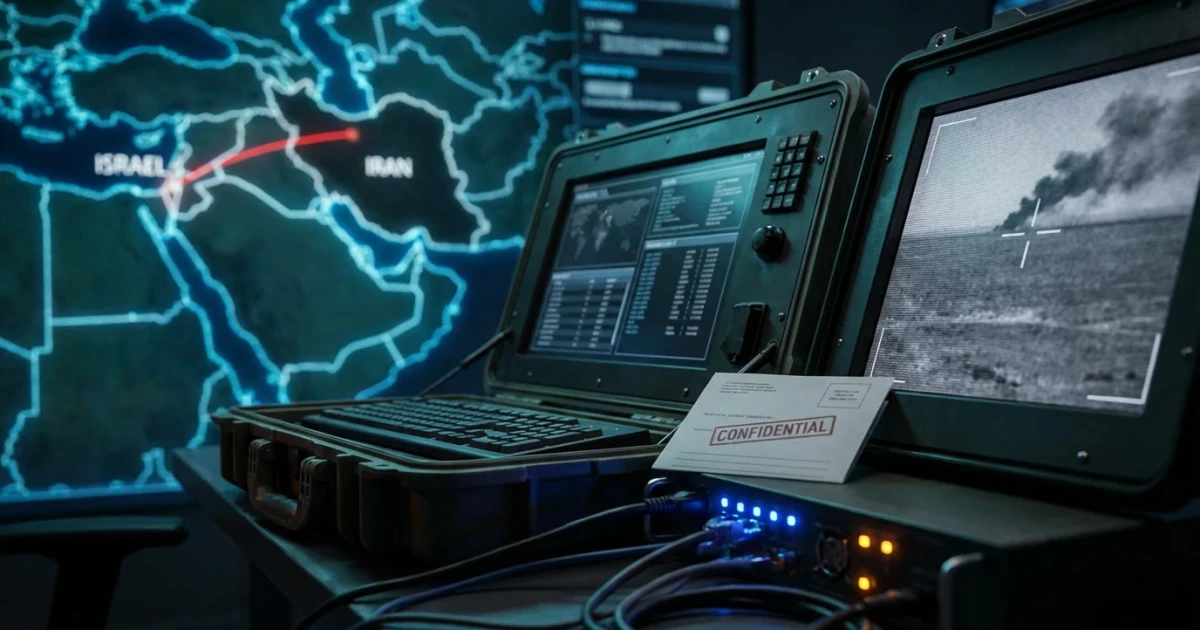
Israel announced it has killed Ali Larijani, Iran’s top security official, in a targeted strike, marking a significant escalation in the ongoing tensions between the two countries. The operation, confirmed by Israeli officials on Tuesday, has drawn swift international attention due to Larijani’s prominent role in Iran’s security apparatus.
Who Was Ali Larijani?
Ali Larijani was widely recognized as one of Iran’s most influential security figures. According to official records, Larijani held multiple high-profile positions over his career, including Speaker of the Iranian Parliament and Secretary of Iran’s Supreme National Security Council, overseeing key aspects of the country’s military and nuclear policy. His involvement spanned decades, placing him at the center of Iranian decision-making on military strategy and regional security.
Details of the Israeli Strike
The strike was carried out amid heightened tensions between Israel and Iran, both of which have been engaged in a series of covert and direct confrontations across the Middle East. The Washington Post reported that Israeli officials took responsibility for the operation, describing it as a targeted action against Iran’s highest-ranking security official.
- Larijani was considered the chief architect of Iran’s security strategy in the region.
- The strike is believed to have taken place outside Iran’s borders, though the exact location has not been confirmed by Israeli authorities.
- The operation comes in the context of ongoing clashes and sabotage campaigns linked to Iran’s nuclear and military ambitions.
Larijani’s Role in Iran’s Security Apparatus
Larijani’s influence extended across Iran’s complex network of security agencies, including cooperation with the Islamic Revolutionary Guard Corps (IRGC) and direct oversight of Iran’s nuclear program negotiations. Analysts at Iran Watch highlight that Larijani’s leadership was pivotal in shaping Iran’s approach to both internal security and foreign policy, making his loss a significant blow to the Iranian establishment.
Under his tenure, Iran increased its military capabilities and asserted its influence in regional conflicts, supporting proxy forces and expanding its missile programs. Larijani’s network within the Iranian government and security services made him a key target for adversaries.
Regional and International Implications
The killing of a figure as senior as Larijani is expected to have far-reaching consequences. Iran is likely to view the strike as a direct challenge to its sovereignty and a provocation that demands a response. The attack adds to an already volatile environment in the Persian Gulf, where both countries have engaged in tit-for-tat operations.
International observers, referencing research on Iranian security policy, note that such targeted killings have historically increased the risk of retaliatory actions and escalation. With Larijani’s death, the balance of power within Iran’s security establishment may shift, potentially leading to changes in policy or leadership style.
Potential Iranian Response
- Iran’s leadership will likely convene emergency meetings to discuss the path forward.
- The IRGC and other security agencies could accelerate operations in the region as a show of strength.
- Global powers may urge restraint, fearing a broader conflict that could disrupt security and energy supplies in the region.
Larijani’s Legacy and the Path Ahead
Ali Larijani’s death marks the removal of a key architect of Iran’s modern security policy. His influence will be felt for years, but his absence could open the door to internal power struggles or shifts in strategic priorities. As the situation develops, attention will focus on Iran’s response and the potential for further escalation between Tehran and Jerusalem.
For more on Iran’s security structure and the broader implications of this strike, readers can review the CIA World Factbook’s overview of Iran and official UN Security Council records related to the region’s security tensions.