World
Israel Deports Gaza Flotilla Activists Amid Global Criticism
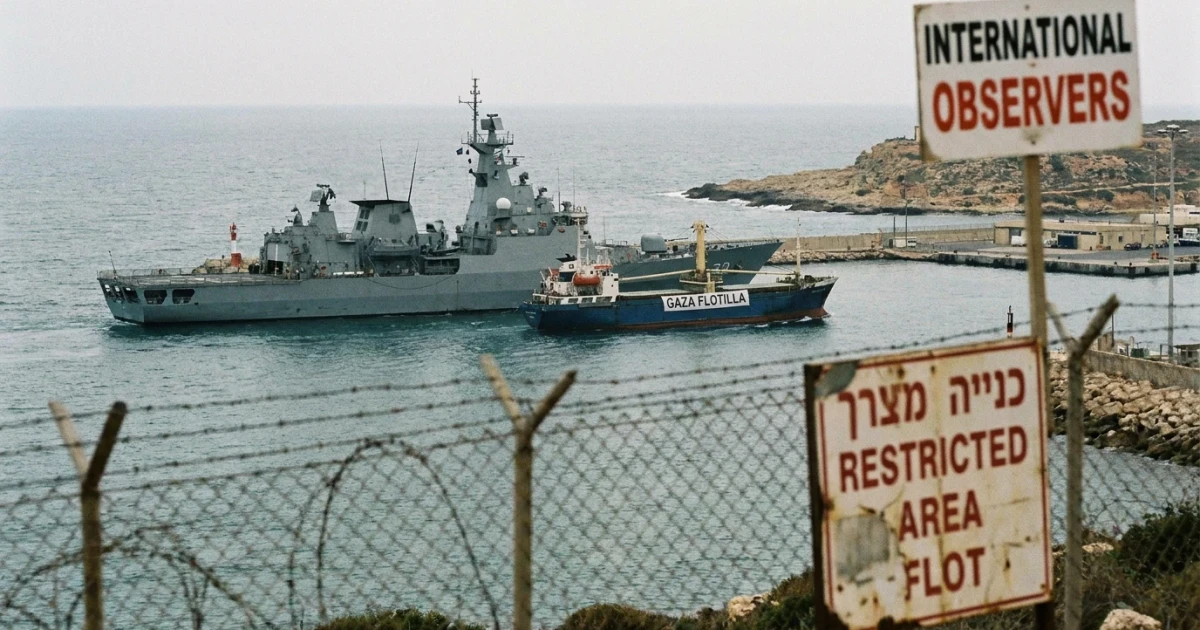
Israel has deported hundreds of international activists who participated in the latest Gaza flotilla, responding to a wave of global criticism and renewed scrutiny over its blockade and maritime policies. The deportations mark the latest chapter in the ongoing tensions surrounding humanitarian efforts directed at the Gaza Strip and Israel's enforcement of what it deems a security blockade.
Rapid Deportation Process Follows Intervention
According to reports from both WFMZ.com and the Canadian Press, Israel began processing and expelling hundreds of activists shortly after their ships were intercepted attempting to breach the naval blockade of Gaza. The swift deportation appeared to be a direct response to escalating diplomatic pressure, as governments and international organizations demanded the release and safe return of their nationals.
- WFMZ.com highlighted that the expulsions came after an intense international backlash.
- The Canadian Press confirmed that Israel initiated the deportation of hundreds of foreign citizens, reflecting a coordinated operational effort.
International Response and Legal Context
The interception of the flotilla and subsequent deportations have reignited debate over Israel's blockade of Gaza and the legality of maritime interdiction. According to a detailed explainer by the International Committee of the Red Cross (ICRC), the legal status of such blockades and the rights of activists remain complex and highly contested under international humanitarian law. The ICRC notes that while states may enforce blockades in armed conflict, the proportionality and humanitarian impact must be considered.
Human rights groups such as Amnesty International and Human Rights Watch have previously criticized Israel’s handling of flotilla participants, arguing that detentions and deportations may violate international norms, especially when activists are denied due process or access to legal counsel.
Humanitarian Concerns and Ongoing Blockade
The flotilla, comprised of international activists, aimed to deliver humanitarian aid and draw attention to the ongoing blockade of Gaza. The United Nations Office for the Coordination of Humanitarian Affairs (OCHA) provides data and statistics documenting the significant humanitarian needs in Gaza, exacerbated by restricted access to goods and movement.
- Gaza's population of over two million faces chronic shortages of food, medical supplies, and fuel, according to OCHA.
- Past flotilla attempts have drawn widespread international attention to these humanitarian challenges, often resulting in high-profile confrontations with Israeli authorities.
While Israel maintains that the blockade is necessary for security, critics argue that it imposes collective punishment on civilians and further destabilizes the region. The UN Security Council has debated the legality and humanitarian implications of such measures, but consensus remains elusive.
Deportations and Diplomatic Fallout
The process of deporting activists involved coordination with multiple foreign governments. Both WFMZ.com and the Canadian Press note that the decision to rapidly expel the detainees was made in part to defuse diplomatic tensions and mitigate further criticism. Previous flotilla incidents have led to prolonged detentions and drawn out negotiations; this time, Israel opted for expedited removal.
While officials have not released an exact figure, the number of deportees is cited as being in the "hundreds," with activists hailing from a range of European, North American, and Middle Eastern countries. The UNHCR refugee statistics database provides additional context on the movement of people in and out of the region, including past removals related to similar maritime incidents.
Looking Ahead
The latest deportations are unlikely to quell the ongoing debate over the blockade of Gaza, the rights of humanitarian activists, and Israel's approach to maritime security. As international organizations and governments continue to scrutinize these actions, the cycle of activism, interception, and expulsion may persist—keeping the issue at the forefront of regional and global diplomacy.