World
Israel Deports Gaza Flotilla Activists Amid Global Criticism
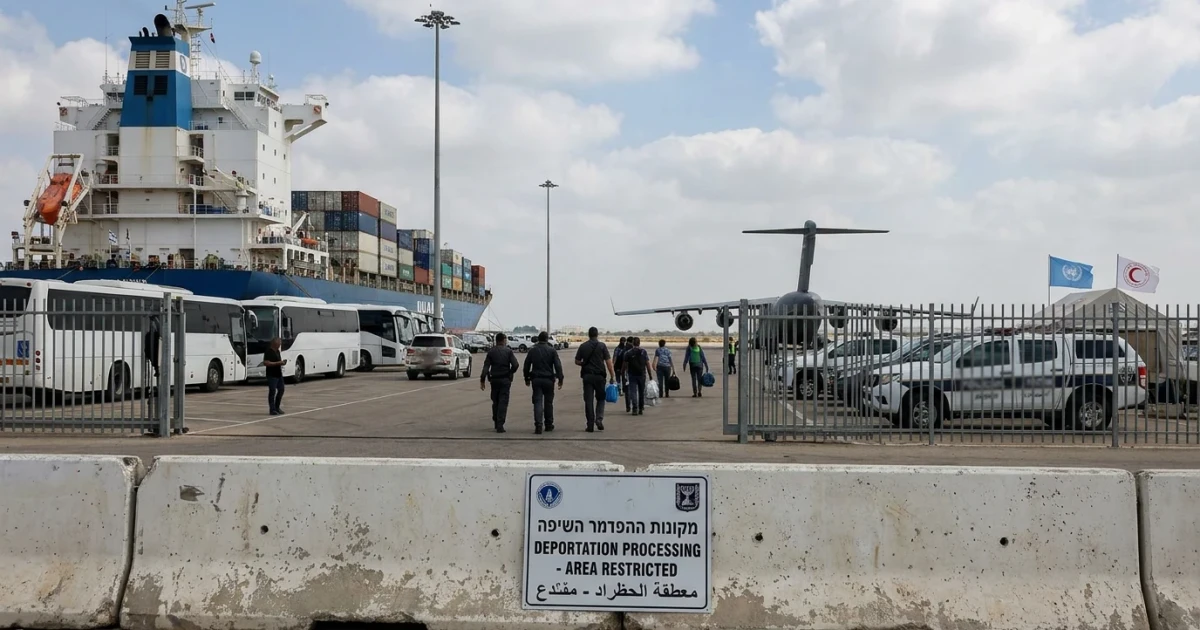
Hundreds of international activists detained during the recent Gaza flotilla incident have been deported by Israel, amid escalating worldwide criticism regarding their treatment in custody and the broader context of the blockade on Gaza. The mass deportations, reported by both The Sun Chronicle and the BBC, reflect ongoing tensions between Israeli authorities and the international community over the humanitarian situation in Gaza and the rights of those attempting to break the blockade.
Background: The Gaza Flotilla and Its Aftermath
The activists, from a range of nationalities, were part of a flotilla attempting to reach Gaza in protest of Israel's long-standing blockade. The Israeli navy intercepted the vessels, detaining hundreds of participants. According to Amnesty International, previous flotilla incidents have seen activists from over 30 countries detained, underscoring the international scale of these efforts.
Deportations and International Response
Israel began deporting the flotilla activists after facing significant diplomatic pressure and criticism from governments, rights organizations, and the UN. The Sun Chronicle reported that the deportations affected hundreds of individuals, including activists from Europe, Australia, and the Middle East. The BBC noted that a group of Australian activists arrived in Istanbul after their release, where they publicly alleged they had been denied food during detention, amplifying concerns about detainee treatment.
- Hundreds of activists detained and deported by Israel
- Australian nationals among those released and sent to Istanbul
- Claims of poor treatment during detention, including alleged denial of food
Official records, including the UN Human Rights Council's fact-finding mission report, have previously documented concerns over the treatment of flotilla detainees, and the current incident has renewed scrutiny of Israel's detention practices.
Legal and Humanitarian Concerns
The deportations come at a time of heightened debate over the legality and humanitarian consequences of the Gaza blockade. The Israeli government maintains that the blockade is necessary for security, while human rights groups argue it constitutes collective punishment of Gaza's population. The Turkel Commission report, Israel's own inquiry into a previous flotilla interception, found aspects of the blockade consistent with international law but acknowledged the need for proper detainee treatment.
Human Rights Watch, in its analysis of flotilla responses, has called for greater transparency and accountability in Israeli operations involving humanitarian activists. International bodies have pressured Israel to improve reporting and oversight of detainee treatment, especially in incidents with global implications.
Reactions from Deportees and the International Community
Upon arrival in Istanbul, some activists spoke to assembled media, reiterating claims of mistreatment. While The Sun Chronicle and BBC both referenced these allegations, detailed independent verification was not immediately available, reflecting the challenges of assessing conditions in high-security Israeli detention facilities. The incident has nonetheless fueled calls among governments and advocacy groups for independent investigations and guarantees of detainee rights.
Ongoing Impact and Future Developments
The swift deportation of the flotilla activists has not quelled international criticism. Governments whose citizens were detained are demanding more information, and human rights organizations continue to document and analyze the treatment of detained activists and the broader impact of the blockade. The International Committee of the Red Cross maintains ongoing operations in Gaza, with regular reports on humanitarian conditions and detainee welfare.
As the global community awaits further official accounts and possible UN investigations, the incident highlights enduring divisions over Israel's blockade policy and the rights of humanitarian activists seeking access to Gaza. The outcome of continuing diplomatic engagement and potential legal proceedings will likely shape future efforts to challenge or defend the blockade and humanitarian access policies in the region.