World
Israel expands Lebanon control zone amid ceasefire tensions, U.S. talks ongoing
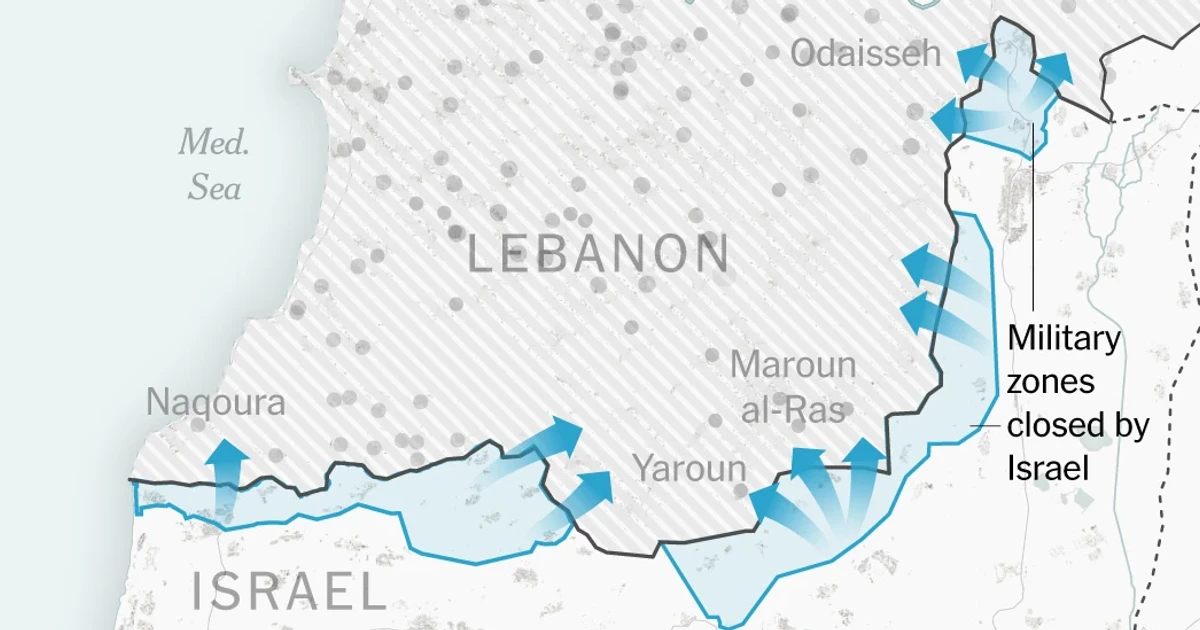
Israel has drawn a broader military line inside southern Lebanon, but the move looks less like a clean exit than a managed pause. Israeli officials published a map showing an expanded control zone that reaches several kilometers deeper into Lebanon near Nabatieh and north of the Litani River, while also saying troops could still strike beyond the declared security zone if they saw a threat.
The timing points to pressure from Washington as much as battlefield logic. Israeli officials said negotiations with the United States were still underway over keeping troops about 10 kilometers inside Lebanese territory, and the outcome may hinge on whether Donald Trump forces Israel to comply with the terms of an interim arrangement. That arrangement was meant to be a ceasefire framework, but it was explicitly tied to Hezbollah stopping fire, and Israeli leaders have said operations on the ground in southern Lebanon would continue for now.
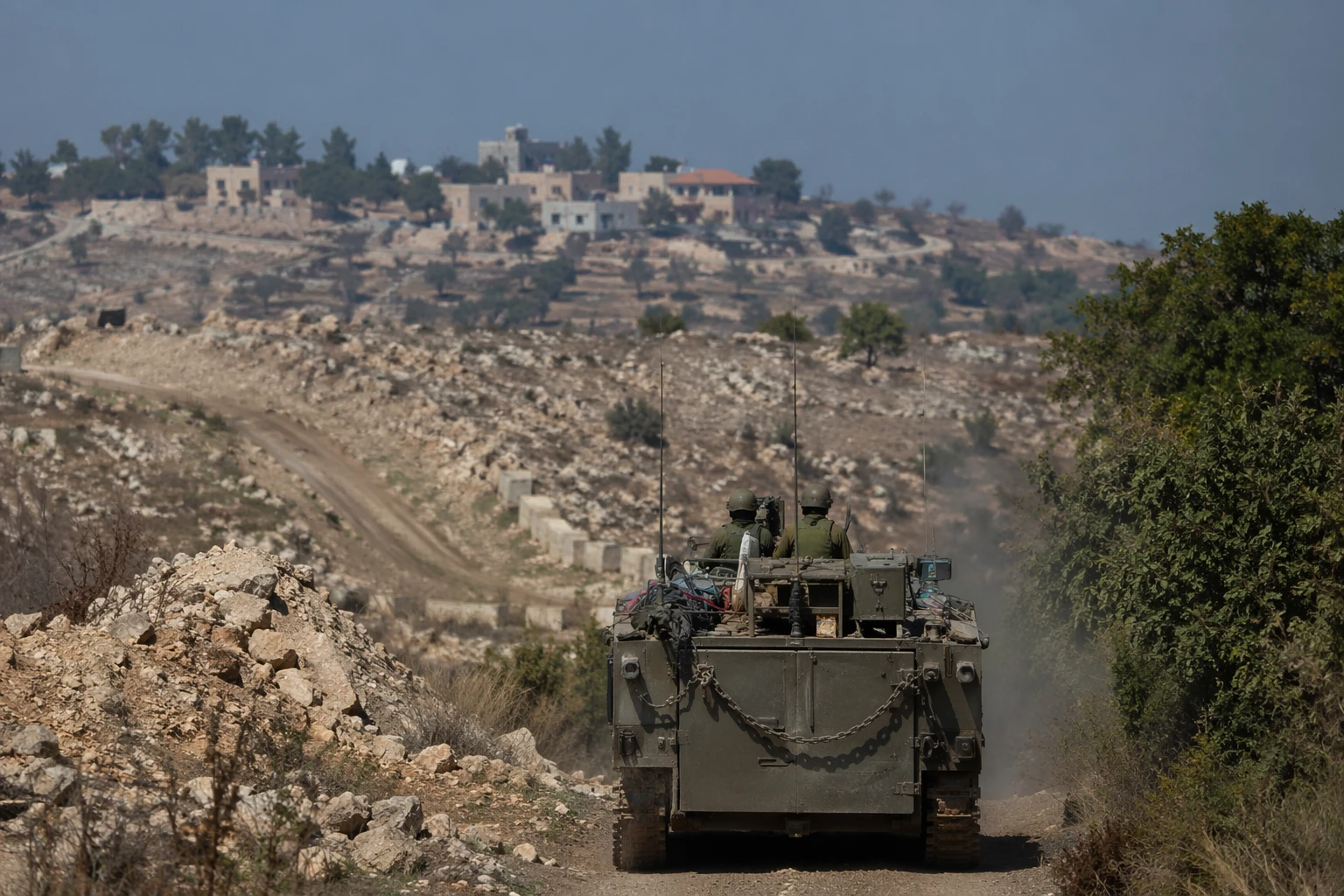
Defense Minister Israel Katz has said troops would remain in the so-called security zone, including Beaufort Castle, and that Israel would keep freedom of action there. In practice, that means the latest limits are not a full disengagement. Israeli officials have also signaled that attacks inside Lebanon could continue if commanders judge conditions to be unsafe, a position that keeps the ceasefire process fragile even as it is presented as controlled.
Hezbollah has rejected the entire setup. Its chief, Naim Qassem, said the group would not accept Israeli security zones in Lebanese territory and demanded a full withdrawal. Lebanon’s president, Joseph Aoun, has called the Washington-backed terms the country’s last chance for a durable end to the fighting, underscoring how much is at stake for communities that have already borne the cost of repeated escalation.
The conflict’s human toll is already severe. The latest round began on March 2, 2026, when Hezbollah fired into Israel, and Israel launched a ground invasion in late March. Since then, Israel has taken control of about 608 square kilometers, or 234 square miles, in Lebanon, according to experts at the Carnegie Middle East Center, while roughly 1.2 million Lebanese have fled under evacuation warnings and fighting. Across Gaza, Lebanon and Syria, Israel now holds about 1,000 square kilometers, and it says it intends to stay indefinitely in these buffer zones.
The danger is not confined to maps and troop lines. UNIFIL said a peacekeeper was killed and two others were wounded in south Lebanon, prompting condemnation from António Guterres. With Hezbollah refusing partial arrangements, Lebanon demanding withdrawal, and Israel signaling it will keep operating, the ceasefire framework exists on paper, but the next step could still slide quickly into a wider war.
Sources
- [1]nytimes.com
- [2]usnews.com
- [3]al-monitor.com
- [4]english.alarabiya.net
- [5]apnews.com