World
Israel-Hezbollah ceasefire falters, delaying U.S.-Iran talks in Switzerland
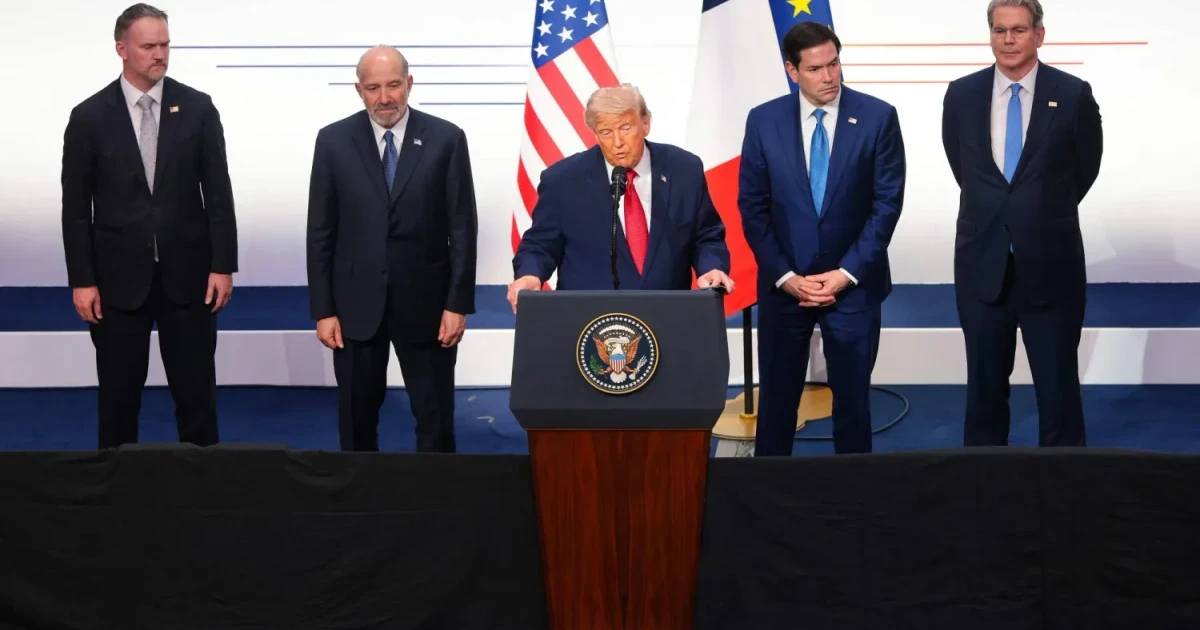
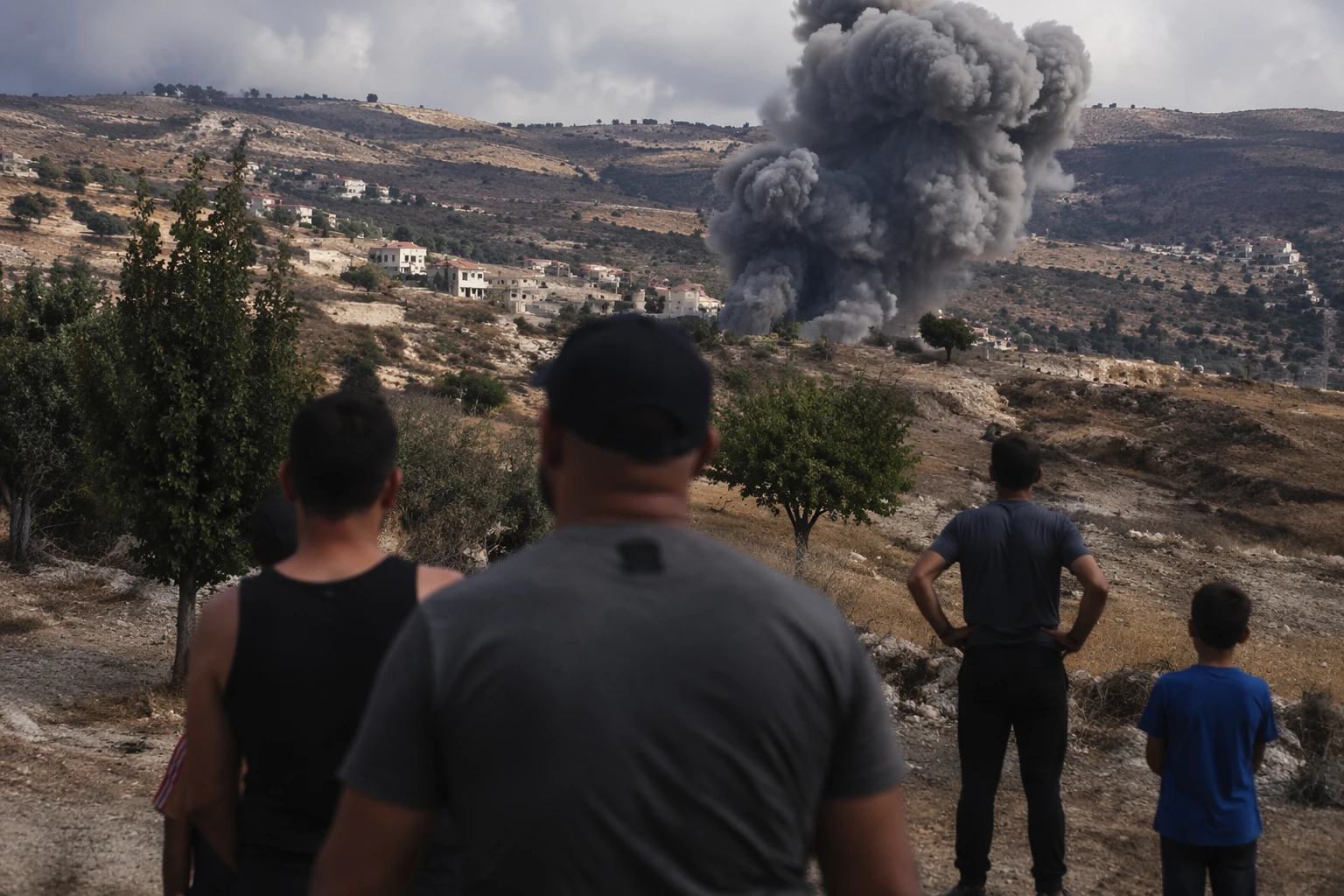
Fresh fighting in southern Lebanon has turned a U.S.-backed ceasefire into a brittle pause, with Israeli strikes and Hezbollah fire leaving four Israeli soldiers dead and at least 47 people killed and 97 wounded in Lebanon. The escalation pushed next-phase U.S.-Iran talks in Switzerland off schedule, showing how quickly a border flare-up can spill into Washington’s wider diplomacy.
The truce was assembled through a fourth high-level trilateral meeting between Israeli and Lebanese representatives on June 2 and 3. A June 3 State Department statement said the ceasefire depended on a complete cessation of Hizbollah fire and the evacuation of all Hizbollah operatives from the South Litani Sector, and said the sides had agreed to create pilot zones where the Lebanese Armed Forces would take exclusive control.
Those terms have already collided with the realities on the ground. Fresh fighting on June 19 renewed pressure on the arrangement, and the latest violence made the ceasefire look less like a settlement than a temporary halt in a war still governed by unresolved military positions and political mistrust.
The hardest point of friction remains the southern frontier. Times of Israel reported that Israel intended to keep its buffer zone in southern Lebanon, a stance Hezbollah has used to justify continued attacks. Iran’s foreign minister said any Israeli forces remaining in southern Lebanon, or any further Israeli strikes there, would violate the U.S.-Iran deal, putting the Lebanon file directly inside the larger diplomatic contest.
That is why the latest violence carried consequences well beyond Beirut and Washington. The United States and Qatar mediated the truce through Tehran as well as Beirut, underscoring Iran’s leverage over Hezbollah and the extent to which the arrangement depends on outside pressure. NBC News said renewed fighting in Lebanon could jeopardize broader American efforts to resolve the wider U.S.-Iran conflict, a warning that now looks immediate rather than theoretical.
President Donald Trump’s administration is trying to keep the U.S.-Iran track moving even as Benjamin Netanyahu insists Israel will remain in security zones in Lebanon and warns that Iran will not get a nuclear weapon. For Washington, the danger is not only that the Lebanon ceasefire breaks down, but that a local exchange of fire in southern Lebanon can unravel a much larger regional deal before it reaches the next round.
Sources
- [1]cbsnews.com
- [2]state.gov
- [3]timesofisrael.com
- [4]nbcnews.com
- [5]aljazeera.com