World
Israel-Hezbollah ceasefire takes hold after deadly overnight strikes
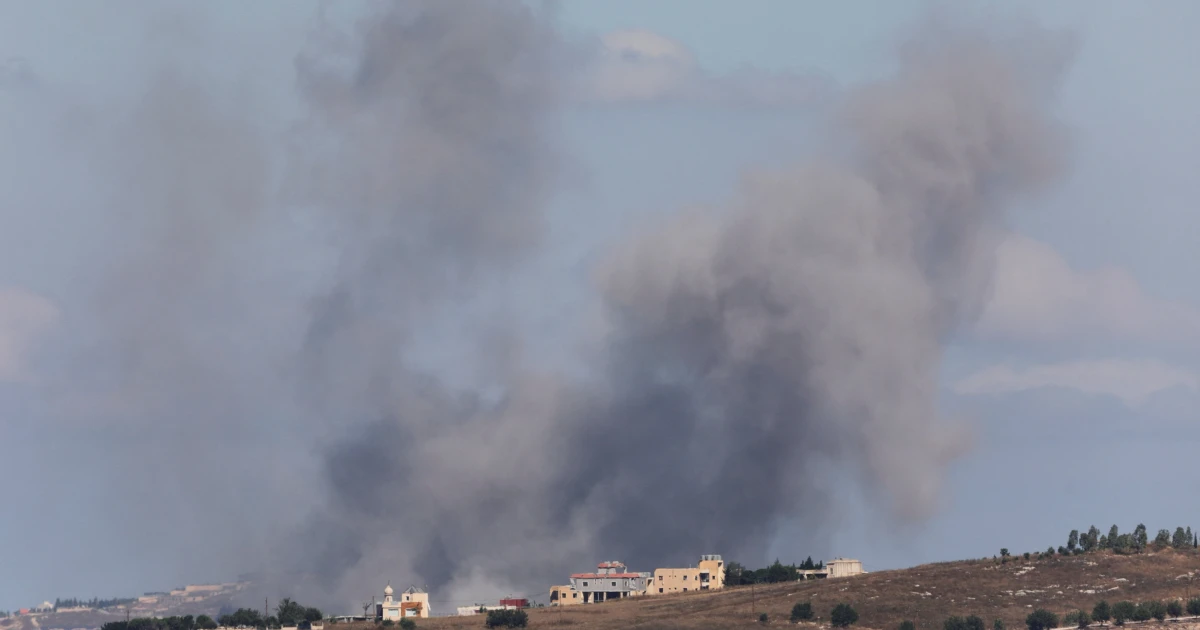
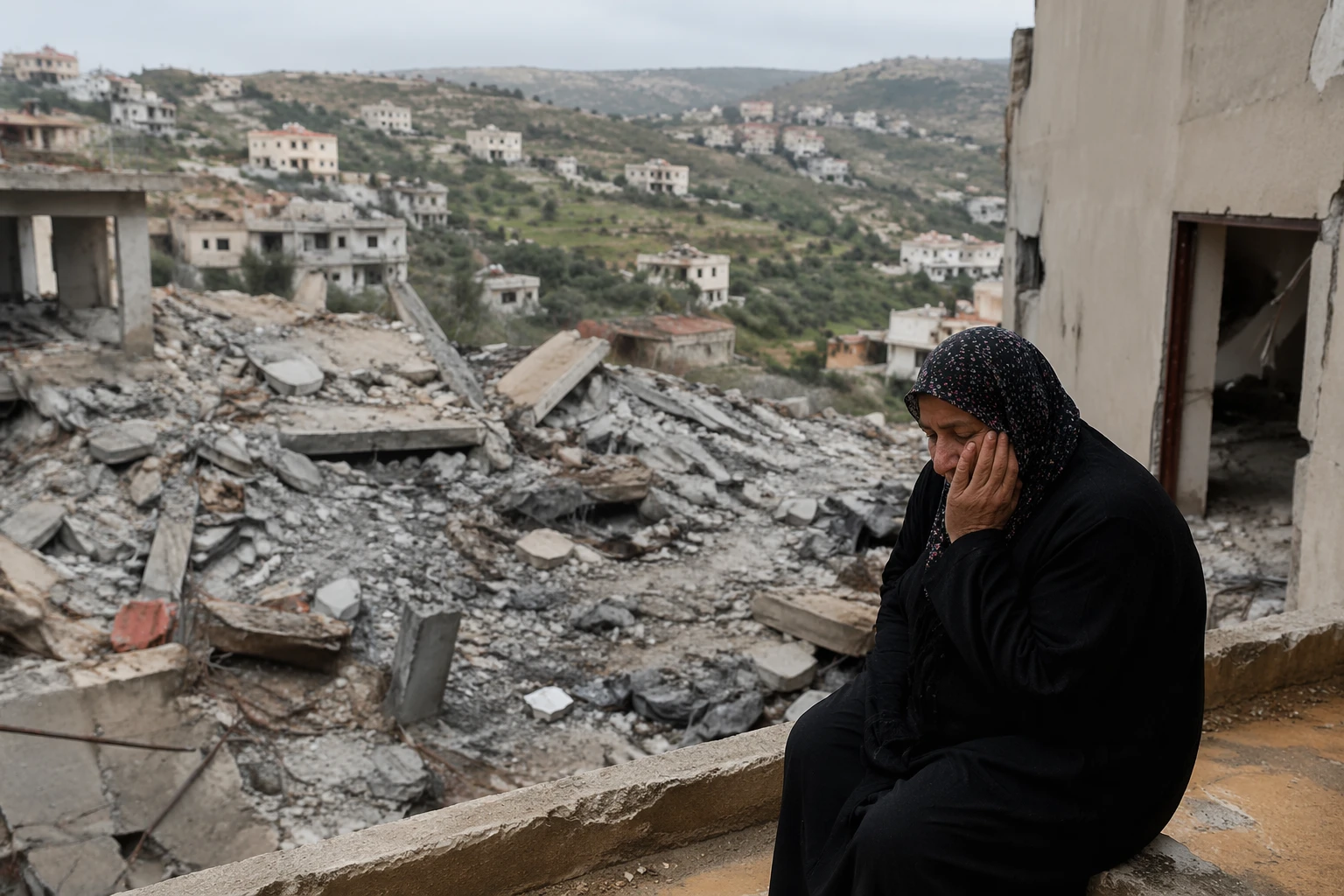
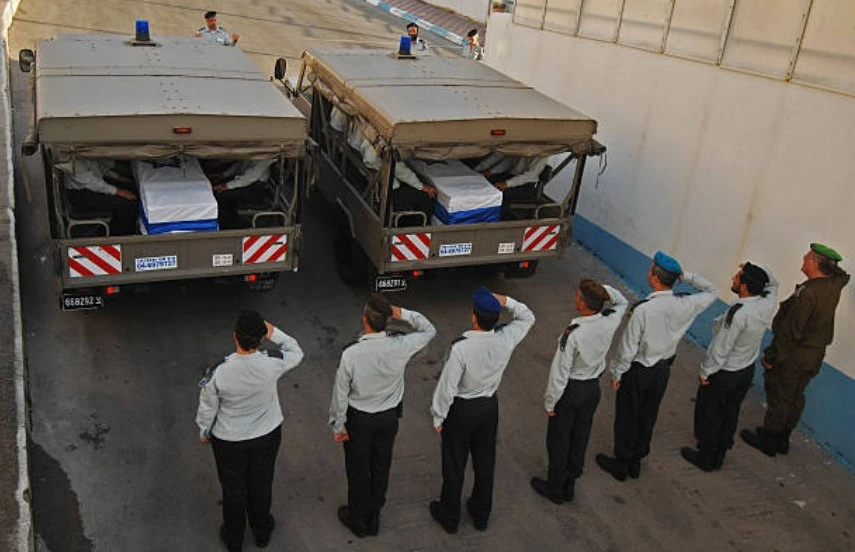
A fragile ceasefire between Israel and Hezbollah took effect Friday afternoon, around 4 p.m. local time, after an overnight exchange of fire that left at least 47 people dead in Lebanon and four Israeli soldiers killed. The truce paused a sharp escalation, but it also opened a new test: whether Washington, Qatar and Iran can keep the fighting from snapping back and drawing the region into a wider war.
If the truce holds, the immediate gain is breathing room for civilians in southern Lebanon and along Israel’s northern frontier, where repeated strikes had made the risk of a broader spillover more acute. The ceasefire was described as part of broader U.S.-backed efforts to stabilize the region, and the fact that the arrangement was mediated by Qatar, the United States and Iran shows how quickly the conflict had become a diplomatic problem as much as a military one.
President Donald Trump said he had spoken with Israel and urged it to accept the ceasefire, calling it a positive development. That matters because the agreement was not just about stopping shelling for a few hours. Officials said the halt in fighting was also meant to keep Washington-Tehran diplomacy from collapsing, and reporting from Geneva pointed to how closely the battlefield and the negotiating table had become linked.
If the ceasefire weakens, the most likely outcome is not an immediate return to full-scale war, but a dangerous pattern of stop-start violence that would keep pressure on border communities and raise the odds of another mass-casualty exchange. Israel and Hezbollah did not immediately offer formal public confirmation in some reports, a reminder that even a pause in the shooting can remain politically brittle and operationally uncertain.
If it collapses, the stakes widen fast. U.S. officials would face renewed pressure to prevent the crisis from overtaking diplomacy with Iran, while oil markets would likely react to the prospect of a deeper regional confrontation. The overnight toll already showed how quickly the conflict can move from contained strikes to heavy losses, and the next phase depends on whether mediators can turn a temporary halt into something more durable before the fighting resumes.
Sources
- [1]cbsnews.com
- [2]politico.com
- [3]time.com
- [4]usnews.com
- [5]fdd.org