World
Israel, Hezbollah clashes kill 22 and delay U.S.-Iran talks
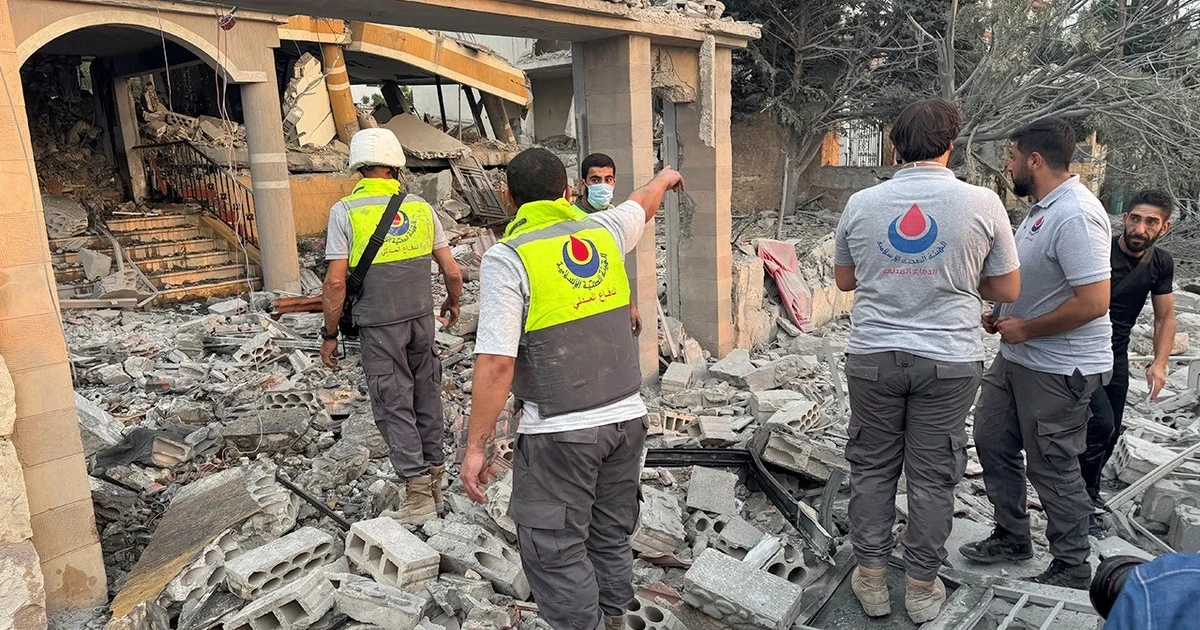
The U.S.-Iran deal hit its most fragile point yet as Israeli strikes in southern Lebanon and Hezbollah counterattacks killed 22 people and forced negotiators to delay talks in Switzerland. The fighting centered on Nabatiyeh and the Ali al-Taher hills, turning the Lebanon front into a direct test of whether a broader regional bargain could survive battlefield escalation.
Lebanon’s health ministry said at least 18 people were killed in the Israeli strikes, while the Israeli military said four soldiers died in fighting near Nabatiyeh, one of them identified as a lieutenant colonel. Israeli reporting said the soldiers were killed when a tank was hit near the southern Lebanese city, and that an explosive-drone attack wounded five more troops. Hezbollah said it had targeted three Merkava tanks with guided missiles during an attempted Israeli advance toward the Ali al-Taher hills, a strategic position overlooking Nabatiyeh.
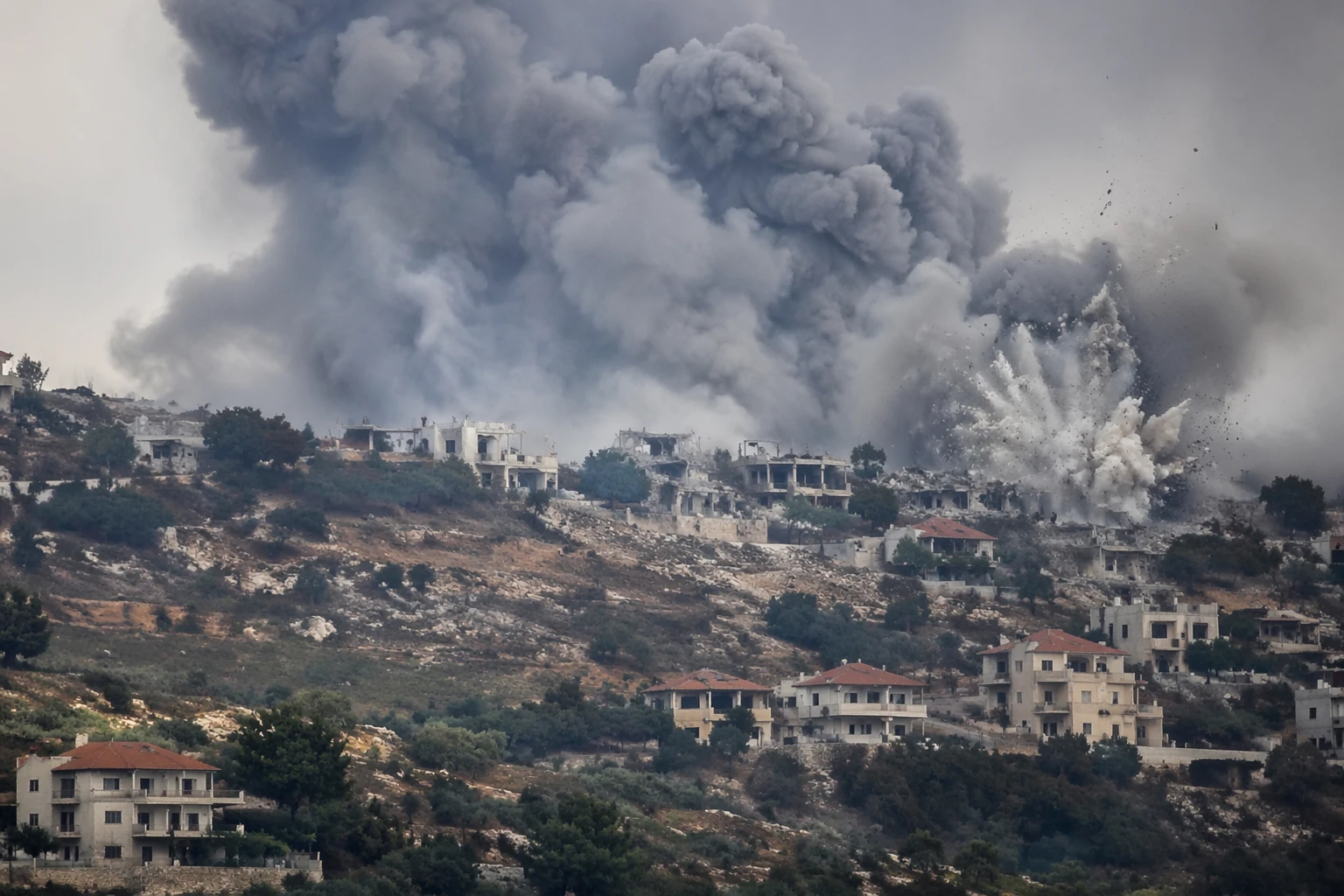
The clashes were among the deadliest single episodes since the latest escalation began and underscored how quickly violence in Lebanon could derail diplomacy. U.S. and Iranian officials had been scheduled to meet in Switzerland on Friday to discuss the details of their peace arrangement, but those talks were postponed after the fighting intensified. The White House said Vice President JD Vance would not travel to Switzerland, and Vance said the 60-day negotiating period in the arrangement began Thursday.
That timetable mattered because the broader agreement was built around a narrow window for a more expansive settlement. Reuters reported that the framework created 60 days for a larger accord, while Iran’s Supreme National Security Council said war and military operations on all fronts, including Lebanon, would end permanently starting Monday night. The next phase of talks was expected to address sanctions relief and Iran’s nuclear program, making the status of the Lebanon front central to the talks’ credibility.
France also pressed for restraint. Foreign minister Jean-Noel Barrot called on the United States to pressure Israel to stop hostilities in Lebanon, and French officials said they welcomed the June 3 ceasefire announcement between Lebanon and Israel. With Israel and Hezbollah accusing each other of violations, the latest round of strikes and shelling showed how a local battlefield can quickly become a regional stress test, and how easily the diplomatic clock can run against Washington’s strategy.
Sources
- [1]news.google.com
- [2]usnews.com
- [3]msn.com
- [4]uk.diplomatie.gouv.fr
- [5]france24.com