World
Israel, Hezbollah reach Lebanon ceasefire after deadly overnight fighting
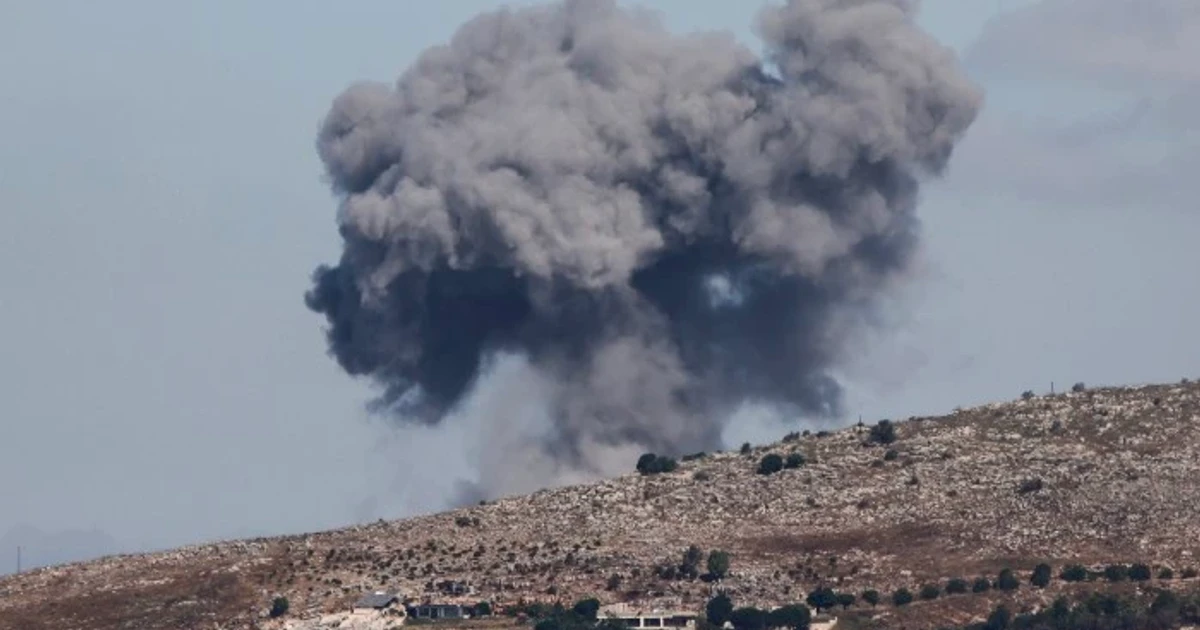
The new ceasefire between Israel and Hezbollah gave U.S. diplomats a narrow window to keep the wider Israel-Iran track alive, but only if both sides held their fire on the ground. After overnight violence killed at least 18 civilians in Israeli strikes, and Israel said four soldiers died in a tank attack, the truce looked less like a peace breakthrough than a tactical pause with high enforcement risk.
Multiple diplomats said the Lebanon deal helped protect progress on the U.S.-Iran agreement that has made Lebanon a flashpoint in regional negotiations. Secretary of State Marco Rubio said talks scheduled for next week between representatives from Israel and Lebanon would still go ahead after he spoke with Lebanese President Joseph Aoun, a sign that Washington is trying to keep the diplomatic calendar intact even as the battlefield remains volatile.
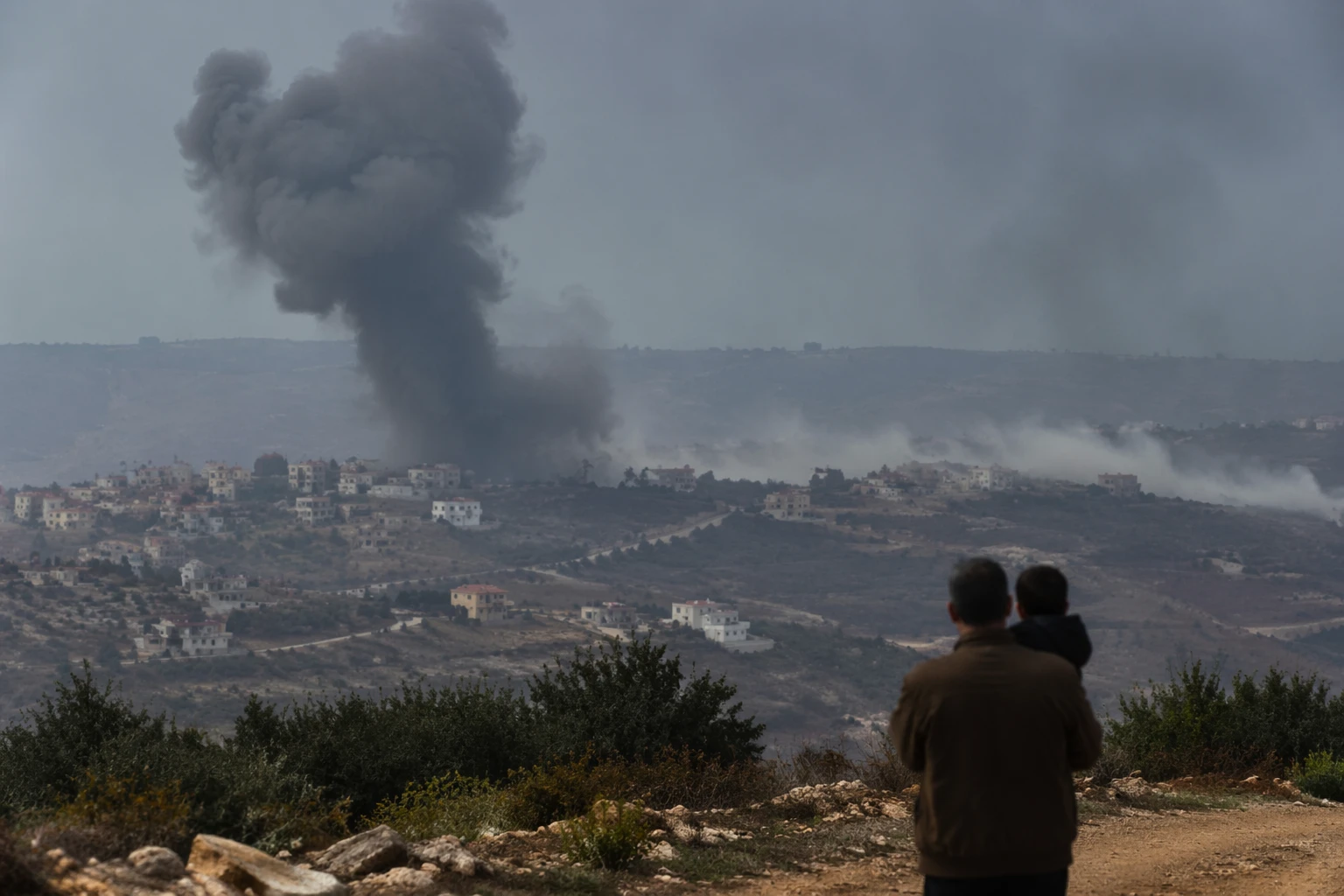
The immediate test is whether the ceasefire can outlast retaliation. Lebanese state media said the Israeli attacks overnight were the deadliest since the U.S. and Iran finalized their agreement, while Israel said the tank attack killed four soldiers. Those competing casualty claims underscore how quickly one incident can be used to justify the next, especially in a conflict where civilians in border communities pay the price first.
The agreement also sits on top of a shaky history. In the 2024 Israel-Hezbollah war, President Joe Biden announced a U.S.- and France-brokered ceasefire that took effect at 4 a.m. local time on Nov. 27, 2024. Biden said that deal was meant to be a permanent cessation of hostilities, with Israel expected to withdraw from southern Lebanon and Hezbollah expected to move north of the Litani River. It followed roughly 14 months of cross-border fighting that began after Hezbollah opened fire into Israel on Oct. 8, 2023, in solidarity with Hamas after the Oct. 7 attacks.
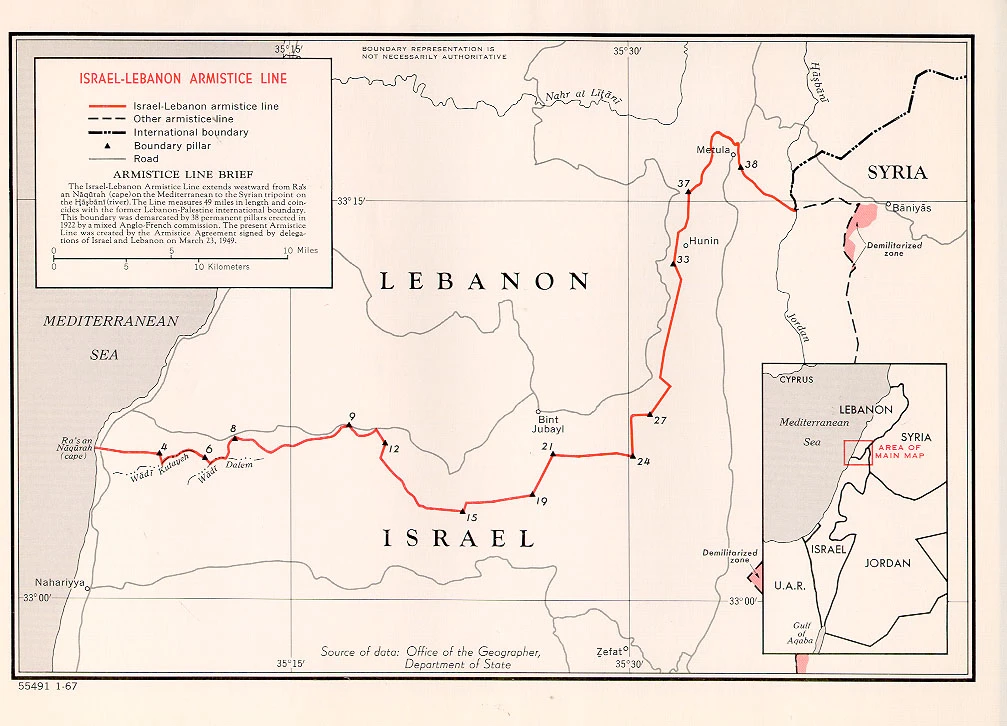
That earlier framework showed how fragile calm can be when armies, militias and governments disagree over where lines should be drawn and who polices them. The White House said the arrangement between Lebanon and Israel, monitored by the United States, was to remain in effect until Feb. 18, 2025, a reminder that even formal ceasefires depend on sustained restraint and outside enforcement. For now, the latest agreement offers breathing room for diplomacy, but its durability will be measured not in statements from Washington, but in whether the fighting stays stopped around Beirut, Marjayoun and Markaba.