World
Israel keeps striking Lebanon as Hezbollah ceasefire deal unravels
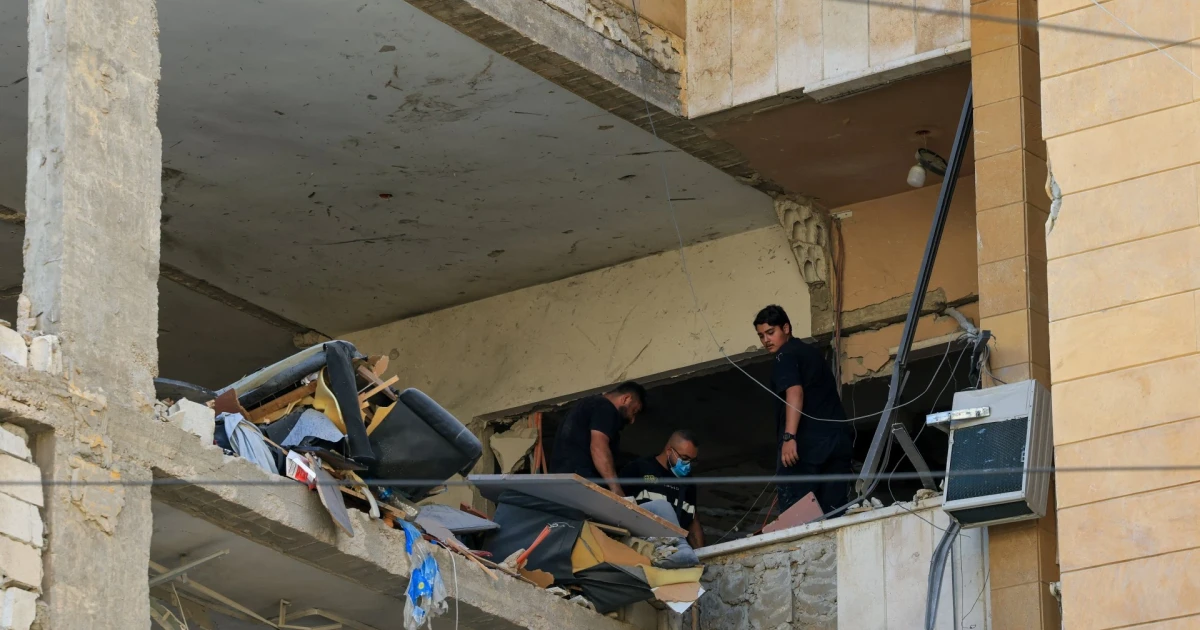
Israel kept striking Lebanon after Donald Trump announced that Israel and Hezbollah had agreed to stop fighting, underscoring how quickly a U.S.-brokered de-escalation effort slipped out of Washington’s control. Airstrikes and other attacks continued in southern Lebanon and Beirut’s southern suburbs, even as the White House tried to project momentum toward a halt in the violence.
The disconnect has become the central fact of the crisis: a presidential announcement on June 1 did not stop the battlefield. Trump said he had spoken with Hezbollah through intermediaries and that Israel would not bomb Beirut, but Israeli strikes continued anyway, with the Israel Defense Forces saying some attacks responded to Hezbollah fire. The fighting has also complicated broader U.S.-Iran talks, turning Lebanon into a pressure point far beyond the immediate border zone.
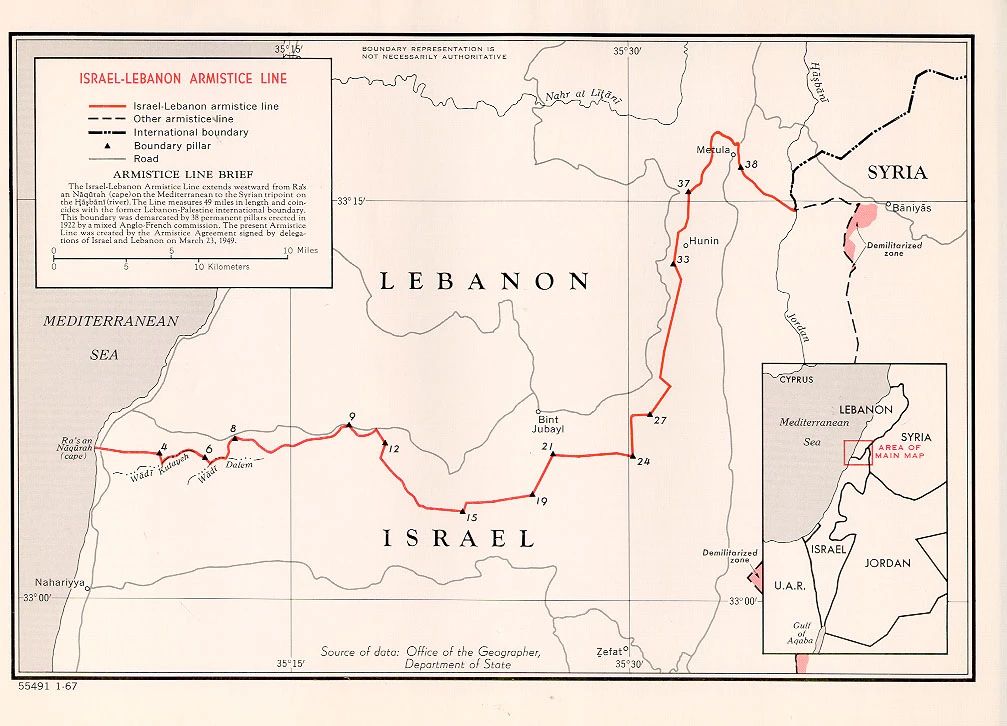
Hezbollah has refused a partial ceasefire that would require its fighters to pull back from southern Lebanon while Israeli troops remain, calling that outcome a surrender and demanding a full Israeli withdrawal from Lebanese territory. That position has left little room for compromise along the Blue Line, the UN-patrolled border area where the risk of a wider confrontation remains high and where both sides keep accusing the other of violating the framework for calm.
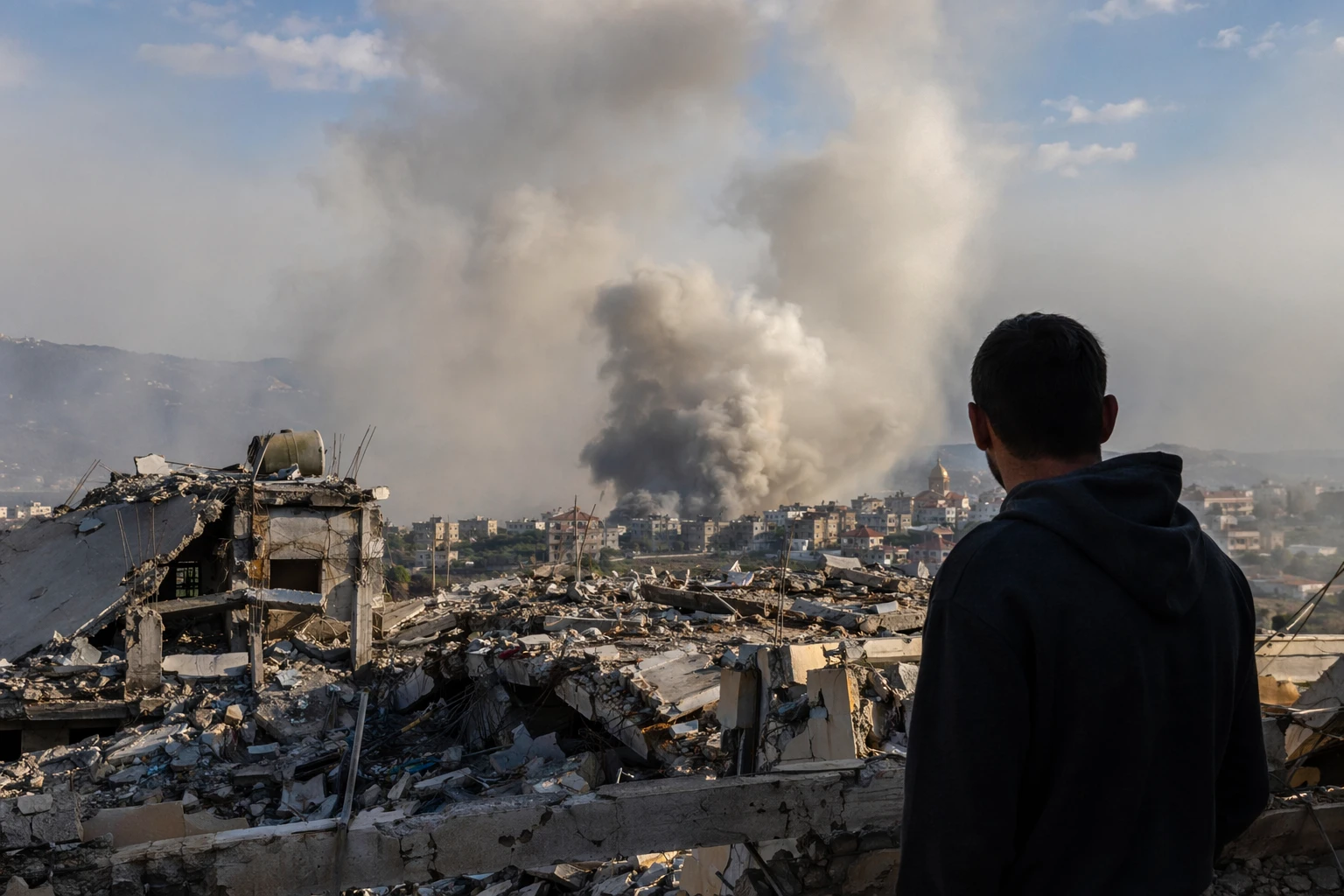
The human toll has already climbed sharply. The United Nations said the Lebanon crisis has killed 3,412 people and injured more than 10,000 since March 2, citing Lebanese health authorities. UNIFIL has warned that Israeli forces advanced deeper into Lebanon and caused large-scale destruction of houses and other civilian infrastructure in the south, a pattern that suggests any pause in fighting is fragile and easily reversed.
The danger has reached international observers as well. A UNIFIL peacekeeper died on June 4 after mortar shells struck his position near Marjayoun, in southeastern Lebanon, a reminder that even neutral forces are being pulled into the conflict’s spread. In early June, Israeli strikes also killed at least eight people near Tyre and in other parts of southern Lebanon, while Hezbollah and Israel continued to trade blame over who had broken the ceasefire understanding first.
For Washington, the episode exposes a hard limit: a public declaration of peace is not the same as control over events on the ground. As Israeli strikes continue and Hezbollah holds firm on a full withdrawal, diplomacy is lagging behind military decision-making, and the risk of escalation remains uncomfortably close to the border.
Sources
- [1]cbsnews.com
- [2]news.un.org
- [3]unifil.unmissions.org
- [4]reuters.com
- [5]apnews.com