World
Israel, Lebanon discuss U.S.-backed plan to hand over territory
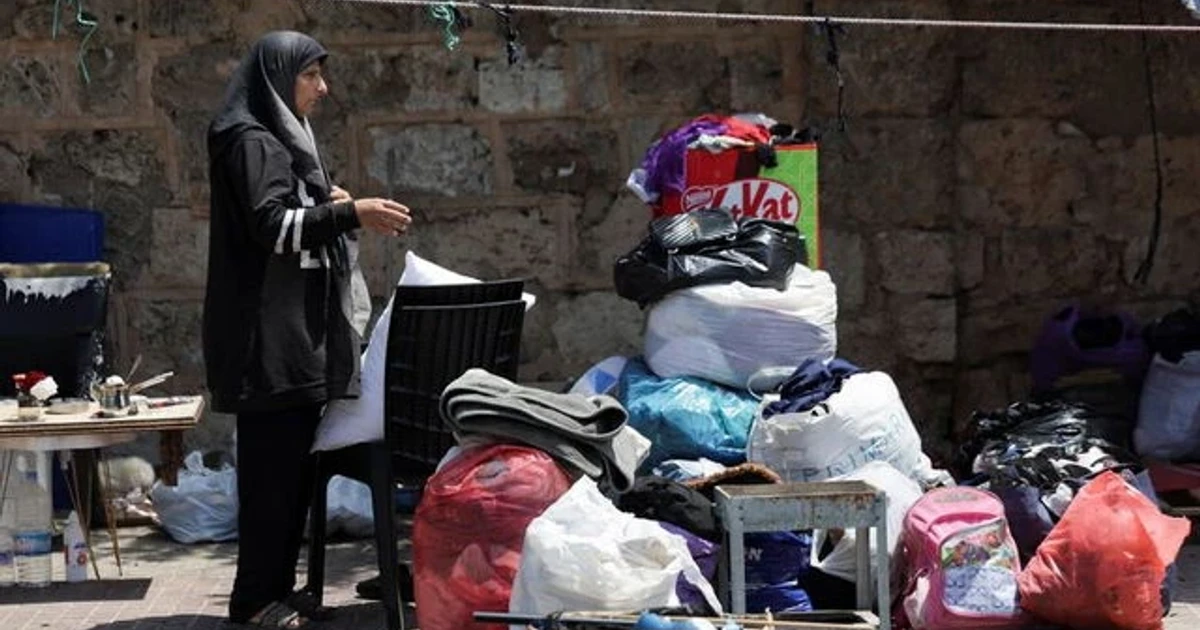
Israel and Lebanon are discussing a U.S.-backed pilot plan that would transfer some of the southern territory Israeli forces invaded during the war with Hezbollah to Lebanon’s military. The proposal would test whether the current ceasefire can become a lasting arrangement or remain only a pause in fighting.
The talks in Washington are unfolding as the battlefield remains active. On June 24, an Israeli drone struck a car in southern Lebanon and killed at least two people, according to Lebanese security and medical sources, even after the ceasefire took hold. The Israeli military said it had targeted a vehicle carrying suspects into a zone controlled by Israeli troops, showing how both sides still frame violence as a security necessity.
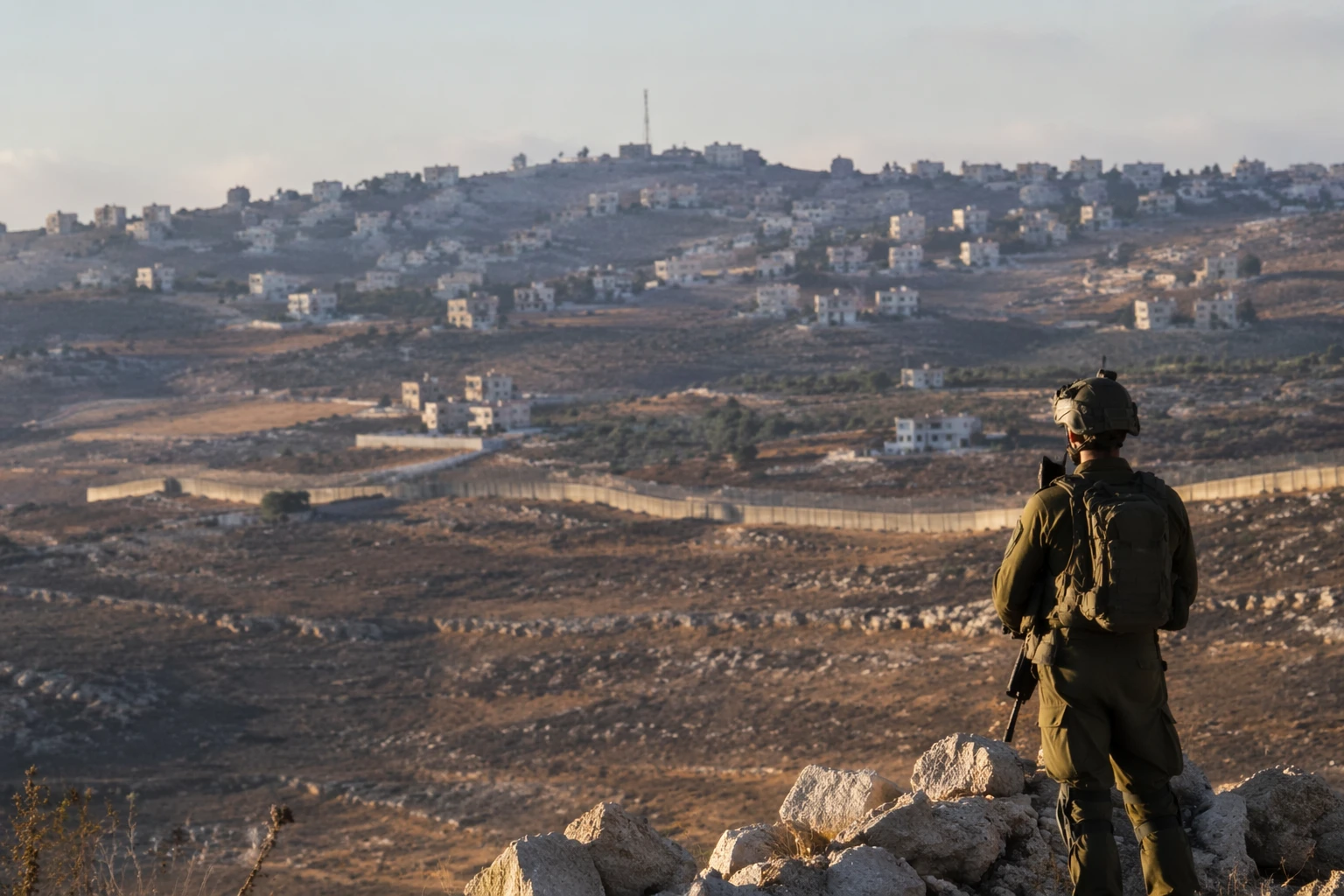
Under the proposal, Israel would eventually pull back toward the Litani River and Lebanese troops would take over the positions. An Israeli official said that is the goal, while Lebanese officials say a full Israeli withdrawal remains one of their central objectives. For now, Israeli forces remain deployed deep inside southern Lebanon, and officials in Jerusalem say that presence is needed to protect northern Israeli towns from Hezbollah attacks.
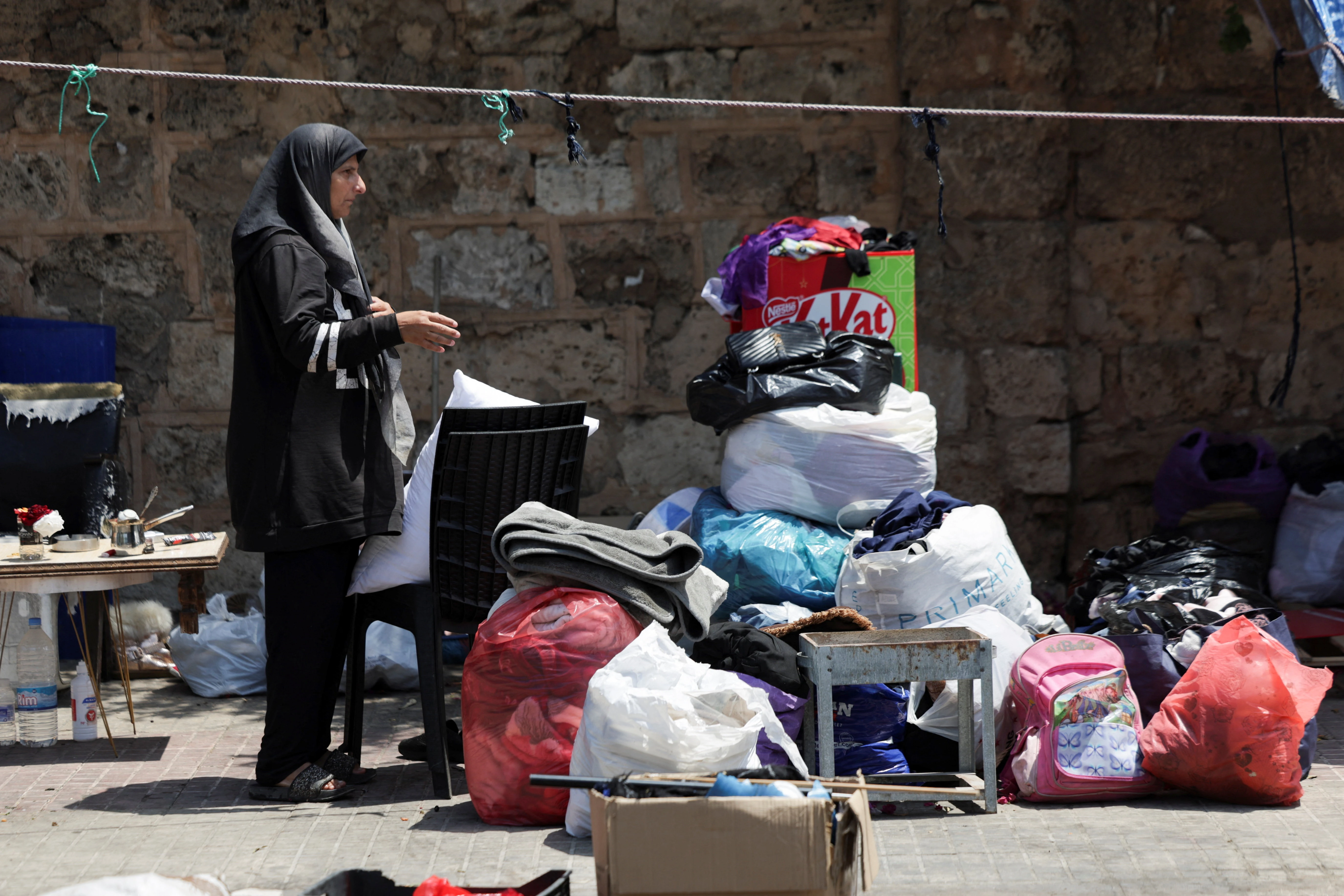
That makes Lebanon’s army the key institution in any handover, but its role would be limited by politics and capability. The plan depends on a vetting process for Lebanese troops before they move in, a sign that Israel wants assurances about who enters the area and how closely they can prevent Hezbollah from reestablishing itself near the border. The arrangement would not amount to an immediate end to Israeli control; it would be a phased transfer, with Israeli troops still holding other parts of the buffer zone until further movement is agreed.
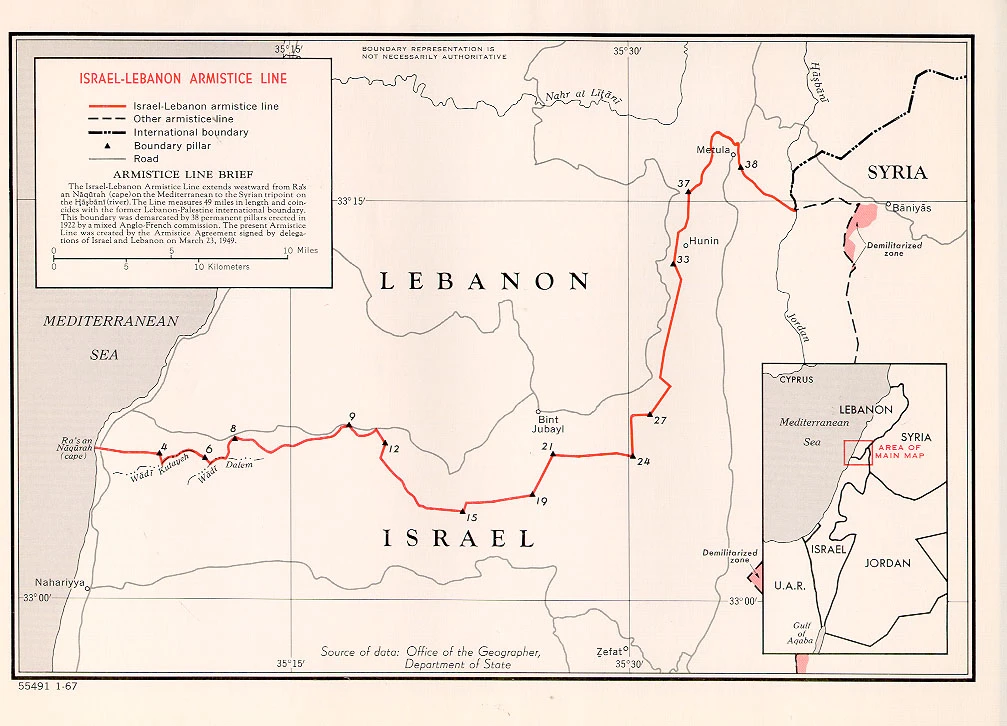
For civilians on both sides of the border to return safely, the handover would have to do more than swap flags. Israeli forces would need to leave the territory they now occupy, Lebanese troops would need to occupy and hold those positions, and the ceasefire would have to keep holding under pressure from both Hezbollah and the Israeli military. If the pilot scheme moves ahead, it could become a model for monitored withdrawals and staged returns. If it fails, the border is likely to remain a militarized line where any pause in fighting can still be reversed.
Sources
- [1]usnews.com