World
Israel Plans More Strikes as Tensions With Iran Intensify
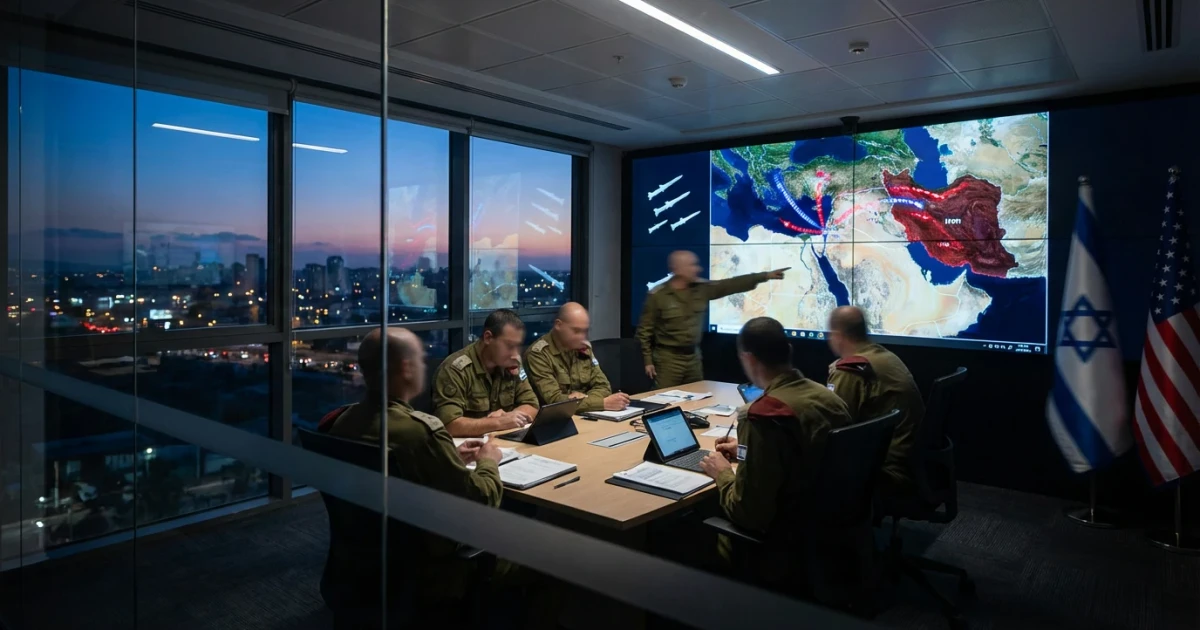
Israel has announced plans to intensify its military strikes against Iran, escalating a conflict that regional analysts warn could have wide-reaching consequences. The latest developments come as international diplomats work urgently to prevent further escalation, while U.S. officials predict the confrontation could continue for weeks.
Israel Signals Escalation in Military Response
Israel’s government has publicly vowed to escalate its military operations targeting Iran after recent exchanges between the two countries. According to CNN, Israeli officials stated that their response would be more forceful, following what they describe as ongoing security threats originating from Iranian-backed groups. Details on the timing and scale of planned strikes remain undisclosed, but the rhetoric from Israeli leadership has become increasingly assertive.
Regional Impact and Diplomatic Reactions
The move has heightened concerns among neighboring countries and international observers. Efforts to de-escalate the situation are underway, with several regional powers urging restraint to avoid a broader conflict. The Israel-Iran shadow war has already seen a series of retaliatory actions in recent months, with both sides targeting military infrastructure and proxy forces in the region.
U.S. Officials Warn of Prolonged Conflict
American officials are closely monitoring the situation. Senator Marco Rubio, as reported by Axios, has communicated to U.S. allies that the current phase of hostilities could extend for another two to four weeks. This assessment reflects the entrenched positions on both sides and the likelihood of additional exchanges before any return to negotiations. Rubio’s remarks also highlighted ongoing coordination with countries that have not deployed warships to the region, emphasizing the importance of diplomatic channels in managing the crisis.
- Israel has committed to intensifying strikes on Iranian targets in response to recent incidents.
- U.S. officials expect the conflict to persist for several weeks, with ongoing risks of escalation.
- Regional and international actors are urging restraint and exploring diplomatic solutions.
Broader Security Implications
The escalation is being closely watched by military analysts and international organizations concerned about regional stability. According to the CSIS analysis of Iran and Israel’s military balance, both countries possess advanced capabilities, including missile arsenals and air defense systems, which raise the stakes of any direct confrontation. The ongoing conflict has also affected global energy markets and heightened security alerts at critical infrastructure sites across the Middle East.
Efforts to enforce existing sanctions on Iran and monitor compliance with international agreements remain central to the diplomatic response. The International Atomic Energy Agency continues to verify aspects of Iran’s nuclear program, as detailed in recent reports, adding another layer of complexity to the crisis.
Looking Ahead
With both sides signaling determination to defend their interests, the risk of further escalation remains high. The international community is expected to intensify diplomatic efforts, but the immediate outlook points to continued military exchanges in the near term. Regional stability and the effectiveness of diplomatic interventions will be closely watched in the weeks ahead.