World
Israel Removes Battalion After CNN Crew Detention Incident
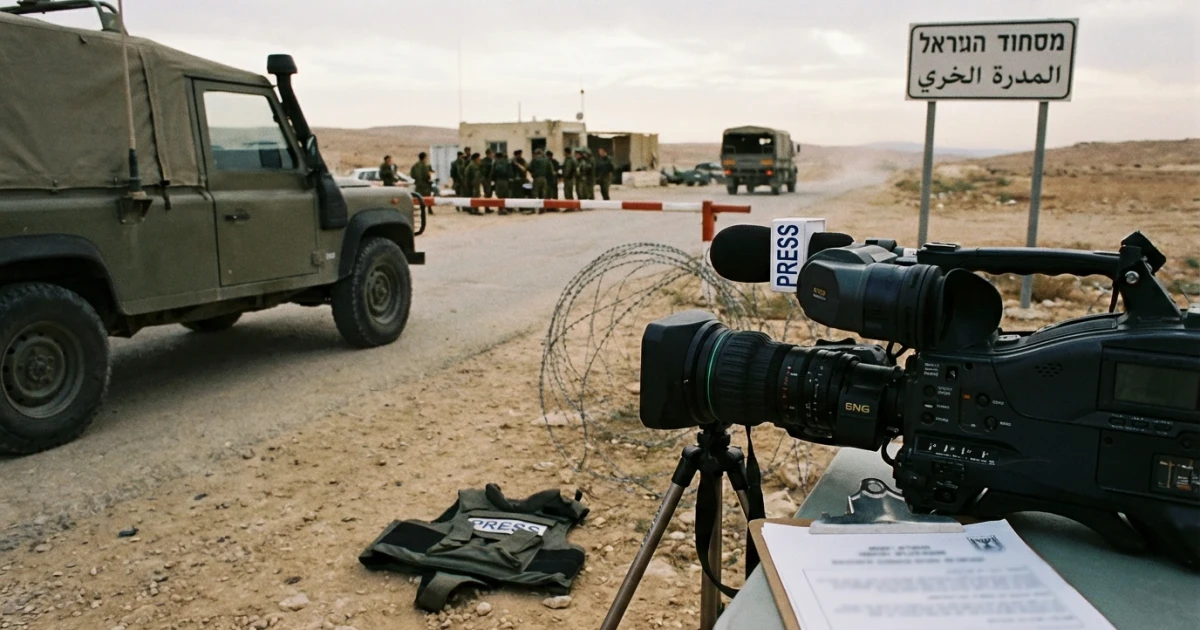
Israel has suspended a military battalion and withdrawn it from the West Bank following the detainment of a CNN news crew, a move that has intensified scrutiny of military conduct toward journalists and heightened debate over accountability in the occupied territories.
Background to the Battalion Suspension
The decision to suspend the battalion comes after a recent incident in which Israeli soldiers detained members of a CNN crew in the West Bank. According to reporting by The Washington Post, the battalion involved was immediately pulled from its operational area, underscoring the seriousness with which the Israeli military is treating the matter. The New York Times further noted that the battalion’s removal was also prompted by a separate incident in which a soldier discussed seeking ‘revenge’—a statement that drew additional public and official concern.
Pattern of Detainments and Military Oversight
- Detentions of journalists in the West Bank are not uncommon, with data from the Committee to Protect Journalists documenting multiple cases each year.
- The Israeli military operates under strict rules of engagement, but the occupation of the West Bank has led to frequent clashes and contentious encounters, particularly with media personnel.
- Official information about the structure and deployment of Israeli Defense Forces units is available through the IDF’s official records, showing how units are rotated and disciplined in response to operational incidents.
Press Freedom and International Response
The detainment of the CNN crew triggered criticism from international press freedom advocates. Organizations such as the Committee to Protect Journalists and Human Rights Watch have long expressed concern about the risks faced by journalists in the occupied territories. According to a recent Human Rights Watch report, Israeli military investigations into alleged abuse or misconduct—including incidents involving the press—often lack transparency and rarely result in significant disciplinary action.
Legal and Humanitarian Considerations
Under international humanitarian law, journalists working in conflict zones are entitled to protection as civilians unless they take a direct part in hostilities. The rules governing the treatment of journalists are clear, but their implementation on the ground remains a point of contention. The United Nations maintains a data repository tracking incidents involving journalists and the Israeli military in the West Bank, highlighting ongoing challenges and the need for robust accountability mechanisms.
Implications for Military Policy and Accountability
The suspension and removal of the battalion mark a rare public disciplinary action by the Israeli military, signaling official recognition of the gravity of detaining journalists and the reputational risks such incidents pose. However, as documented by Human Rights Watch and press rights organizations, systemic reforms are needed to ensure genuine protection for media personnel and to foster greater transparency in military oversight.
As the Israeli military reviews the incident and international observers continue to monitor developments, the case has renewed calls for policy changes that would safeguard press freedom and enhance accountability in the West Bank—a region that remains at the heart of ongoing conflict and international scrutiny.