World
Israel says emerging U.S.-Iran deal leaves key threats intact
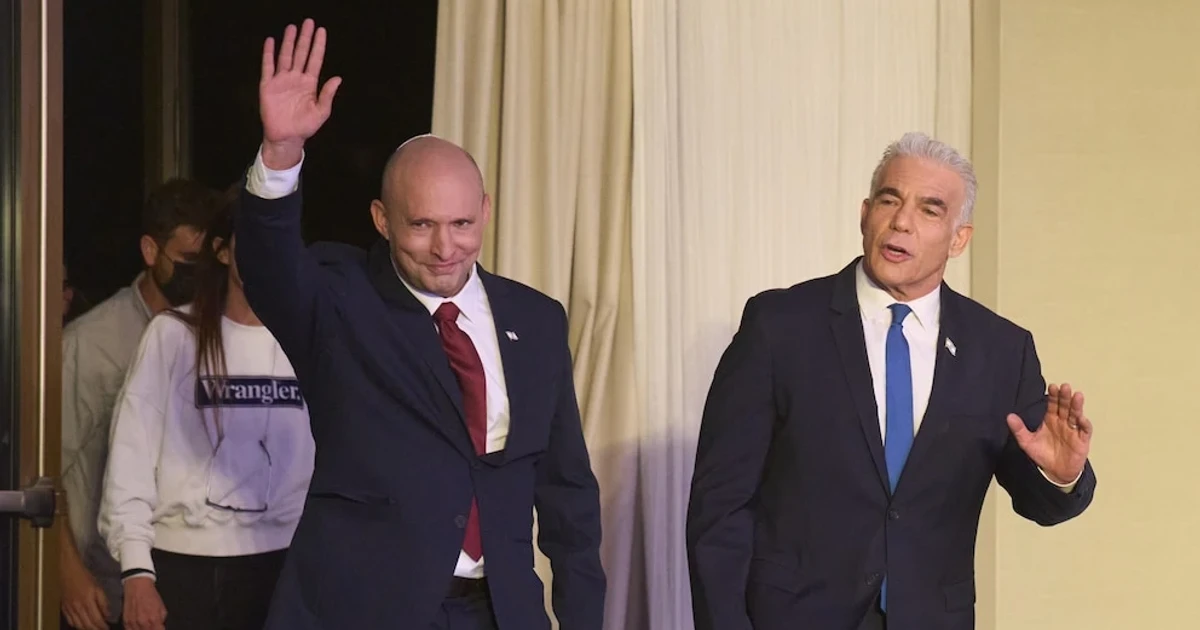
Israel’s criticism of the emerging U.S.-Iran framework cut across party lines, with leaders and security voices saying the deal still left the main threats from Iran untouched. The objections centered on three issues that have dominated Israeli security planning for years: nuclear enrichment, ballistic missiles, and Tehran’s backing for armed groups across the region.
Yair Lapid said on May 25, 2026, that the deal being discussed was “bad for Israel, bad for the region, bad for the citizens of Iran,” and he accused Prime Minister Benjamin Netanyahu of failing to push for a better outcome. Israeli officials went even further a day earlier, warning that the proposal was a “bad deal” because it did not confront threats beyond Iran’s nuclear program. The concern in Jerusalem was that Iran might hand over or remove highly enriched uranium while preserving the infrastructure needed to rebuild its program later.
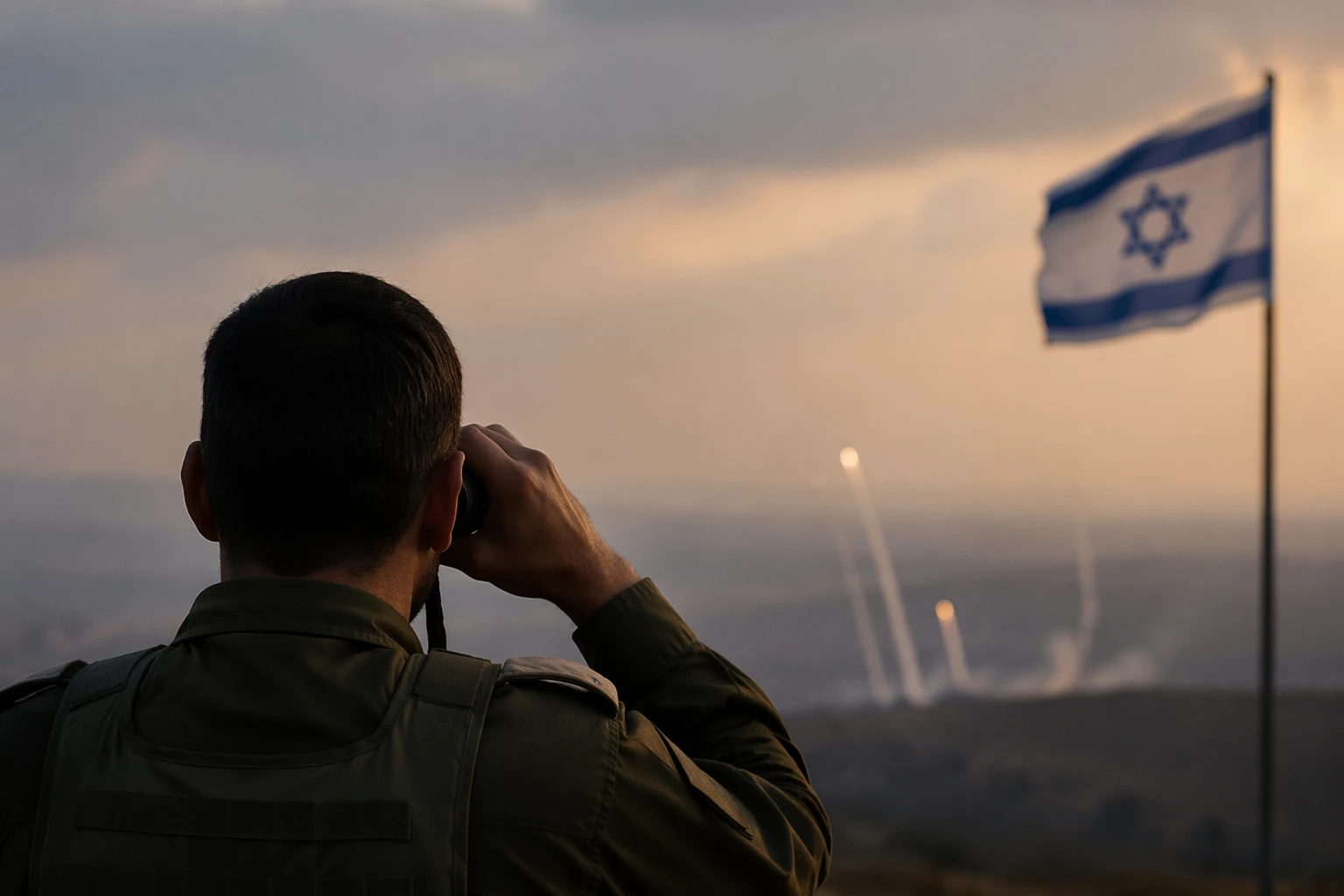
That fear reflected a broader Israeli view that the framework would not require Tehran to dismantle enrichment facilities, stop missile production permanently, or fully rein in proxy warfare. Hezbollah in Lebanon, Hamas in Gaza, and the Houthi movement in Yemen remained central examples of the network Israeli officials said the agreement ignored. Some Israeli analysts warned the arrangement could become a temporary pause rather than a durable settlement, giving Iran time to regroup while Washington claimed a diplomatic win.
The dispute echoed the fight over the Joint Comprehensive Plan of Action, signed on July 14, 2015. That agreement traded sanctions relief for limits on enrichment, stockpiles and centrifuges, with International Atomic Energy Agency monitoring. Israel opposed it then as well, arguing it left Iran’s long-term breakout potential and regional behavior insufficiently constrained. The United States withdrew from the JCPOA in 2018, and Iran later rolled back its commitments.
The current fight unfolded after a 12-day Israel-Iran war in June 2025 and amid a fragile ceasefire that began in April 2026. On June 8, 2026, Iran fired missiles at Israel again, intensifying Israeli warnings that the underlying threat had not gone away. Donald Trump urged Israel not to retaliate in ways that could blow up the negotiations, while also pressing Netanyahu to stop escalating in Lebanon as talks neared completion.
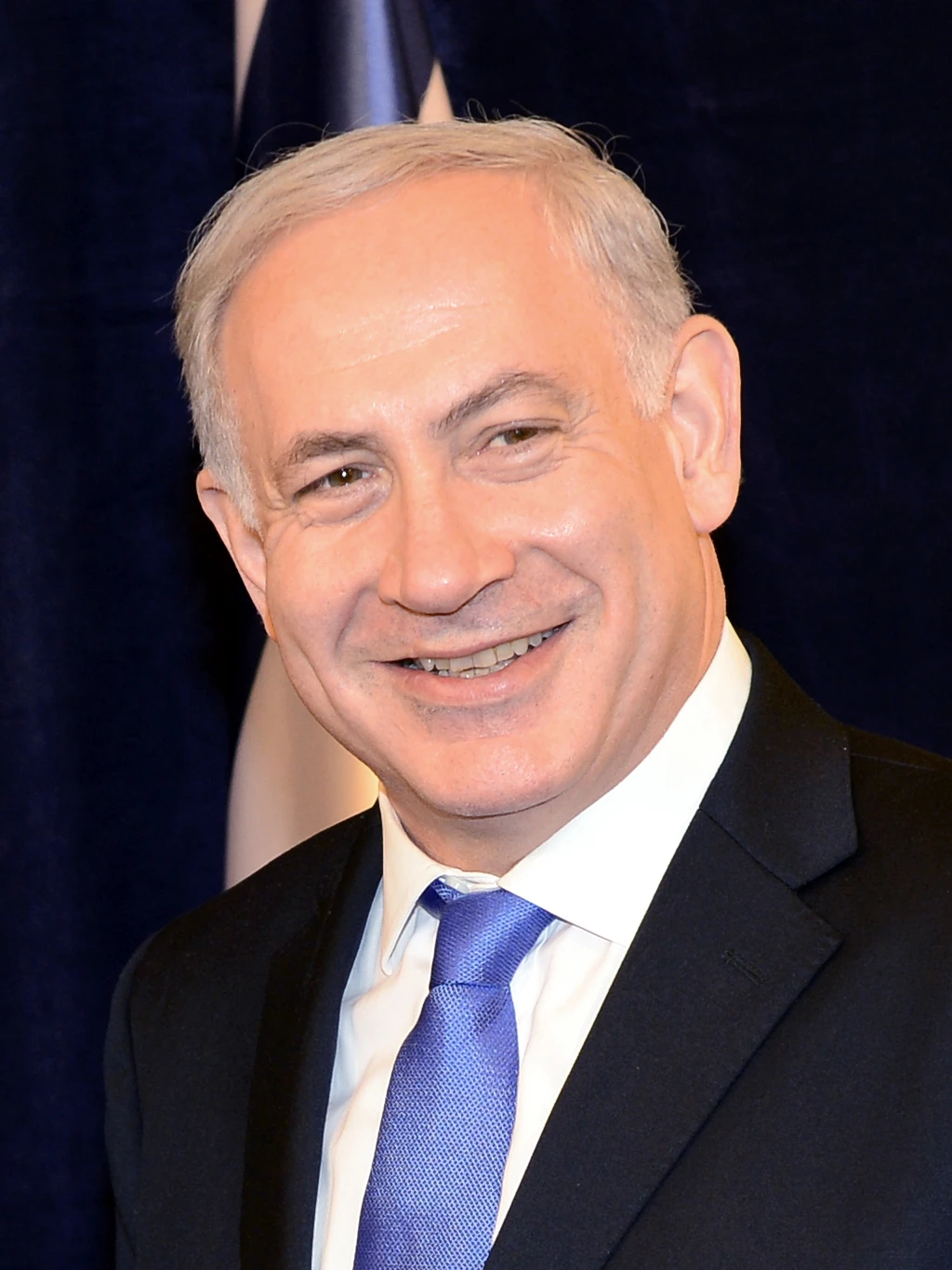
For Netanyahu, the political test was whether Washington would give Israel guarantees strong enough to preserve freedom of action against Hezbollah and other Iranian-backed forces. For his critics, the deeper question was whether a deal that addressed only uranium would leave Israel exposed to the next confrontation.
Sources
- [1]nytimes.com
- [2]pbs.org
- [3]jpost.com
- [4]timesofisrael.com
- [5]un.org
- [6]cfr.org