World
Israel says it will stay in Lebanon as Iran expects funds, deal nears
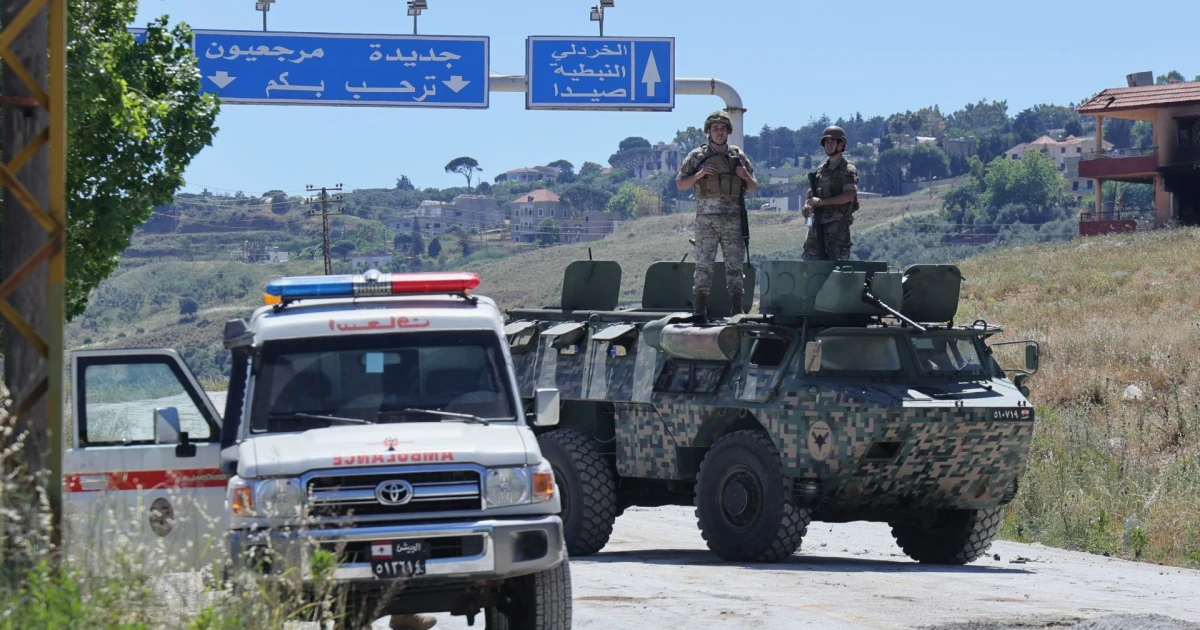
Israel’s decision to keep its forces in Lebanon and Iran’s demand for half of its frozen funds before final talks begin have become the clearest signs that the emerging U.S.-Iran framework is still fragile. The deal being discussed would reopen the Strait of Hormuz and call for the immediate and permanent end of military operations on all fronts, including in Lebanon, but the core disputes that could still sink it remain unresolved.
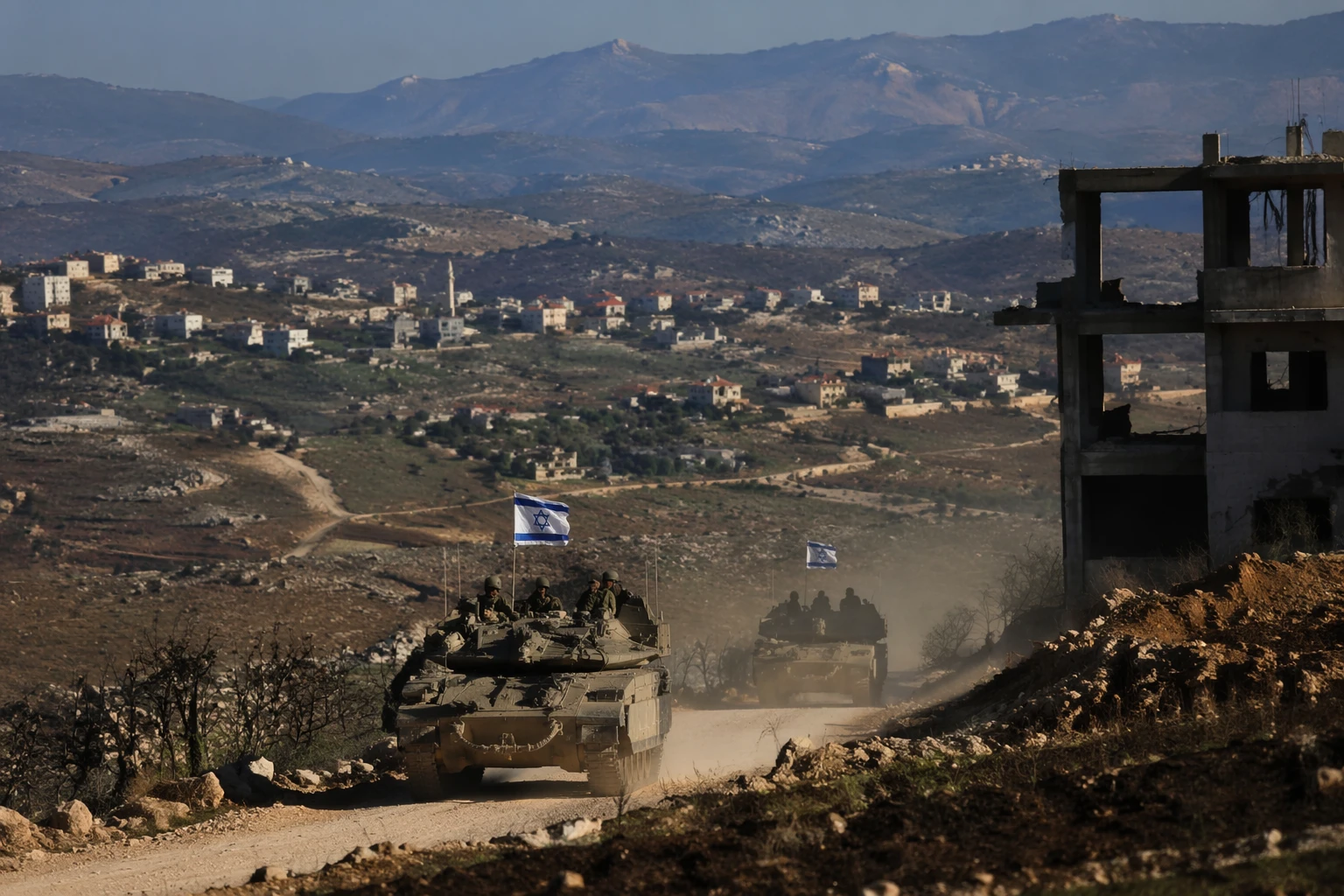
Israeli officials have drawn a hard line on Lebanon. ABC News reported that Israel will not withdraw from Lebanese territory after the U.S.-Iran framework took shape, a position that leaves Hezbollah facing the same demand it has rejected for weeks: a complete Israeli withdrawal from Lebanon. That standoff has kept the southern Lebanon front unstable even as diplomats describe a broader settlement taking shape.
Iran is pressing its own leverage. Under the arrangement described in live coverage, Tehran expected to receive half of its frozen funds before final talks with the United States begin, a signal that sanctions relief and access to blocked money remain central to Iran’s bargaining power. Iranian officials have also warned Washington that it must deliver on its commitments, reflecting deep skepticism in Tehran that any agreement will hold unless the United States and its allies act quickly.
The pace of the diplomacy has shifted sharply. On June 5, Iran was still saying there had been no tangible progress in talks with the United States, a reminder of how quickly the channel has moved from stalemate to a possible breakthrough. Pakistani Prime Minister Shehbaz Sharif then said the two sides were closer to a peace deal than ever before and that signing could happen within 24 hours, with an official ceremony now expected on Friday, June 19, in Switzerland.
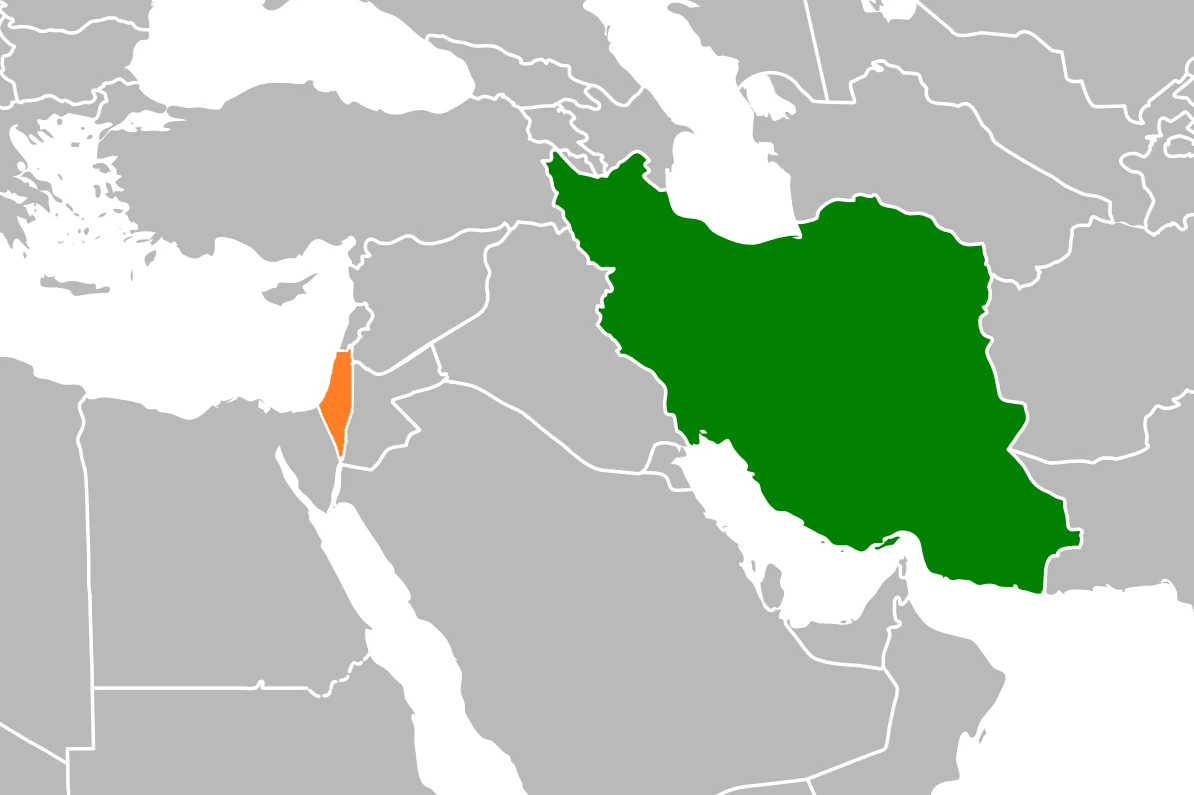
Even with that timetable, the framework still leaves dangerous gaps. One live account said it did not address Iran’s nuclear program, a glaring omission in a deal meant to calm the wider conflict. Donald Trump has also added pressure from the U.S. side, saying the United States was ending its naval blockade of the Strait of Hormuz, warning Israel not to “blow it,” and saying an Israeli strike in Beirut should not have happened. If the funds are delayed, if Israel refuses to soften its posture in Lebanon, or if the nuclear question remains untouched, the talks could collapse before the ink is dry.
Sources
- [1]news.google.com
- [2]cbsnews.com
- [3]abcnews.go.com
- [4]nbcnews.com
- [5]cnbc.com
- [6]nytimes.com