World
Israel seizes West Bank shrine planning powers from Palestinians
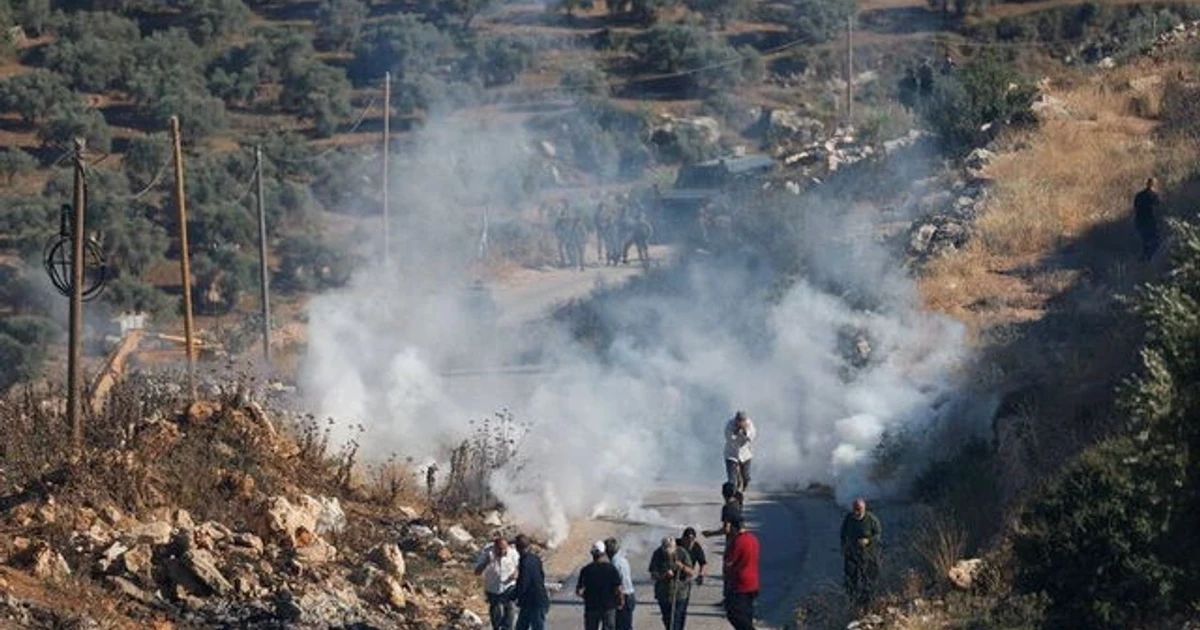
Israel stripped the Palestinian Authority of planning and construction powers at the Tomb of the Patriarchs, known to Muslims as the Ibrahimi Mosque, placing civil approvals for one of the West Bank’s most sensitive sites in Israeli hands. The move reaches far beyond zoning. It shifts power over a shrine sacred to both Jews and Muslims and turns an administrative change into a visible assertion of control in Hebron, a city long defined by occupation policy, settlement politics and recurring violence.
Bezalel Smotrich, Israel’s finance minister and a settler himself, said he gave final approval Monday night for the transfer of authority. Israel’s Higher Planning Council finalized the step after a security cabinet decision had approved it in principle on February 8, centralizing civil planning approvals under Israeli control. Under the 1997 Hebron Agreement, Palestinians had controlled planning and construction across the city, including the shrine and the surrounding area.
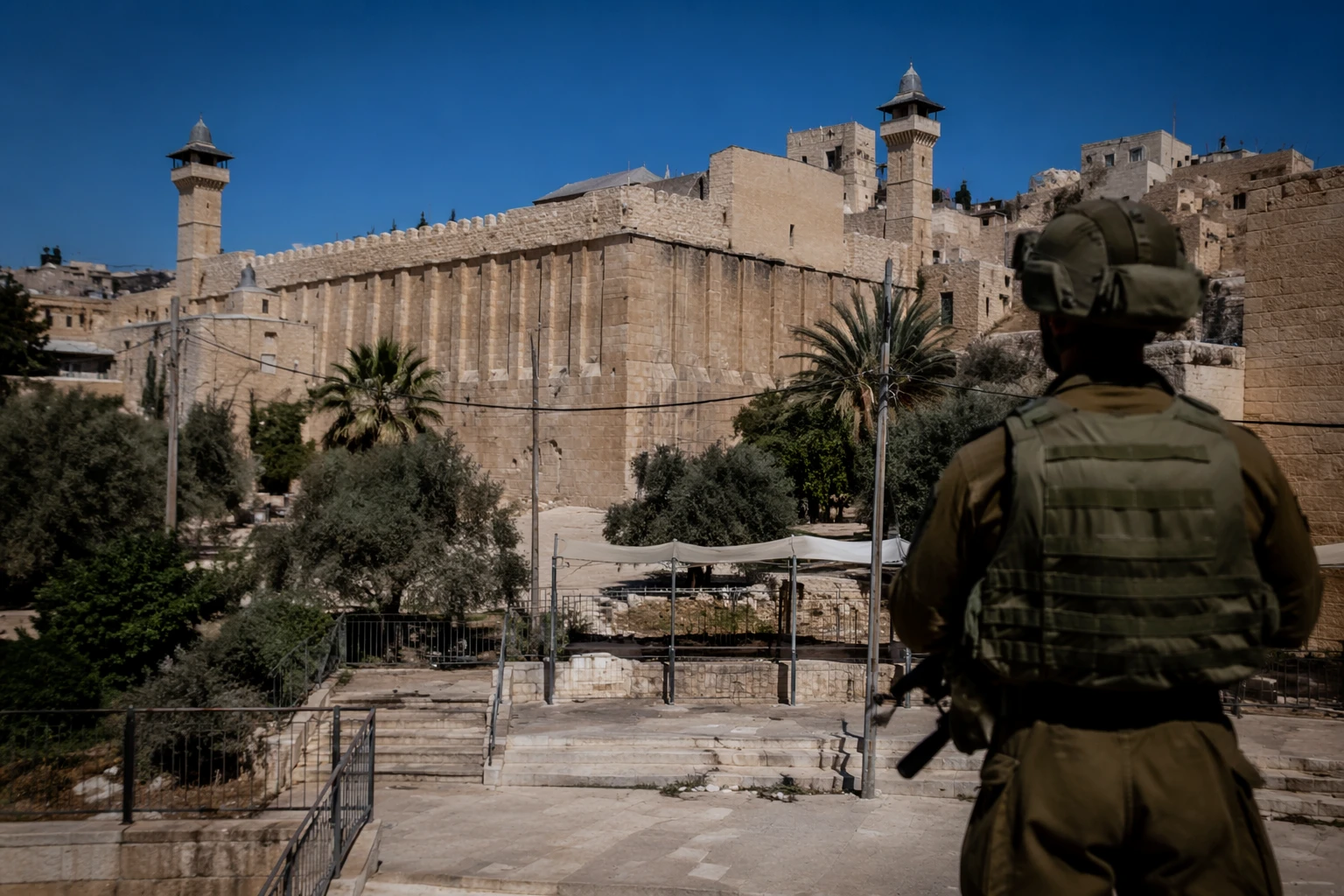
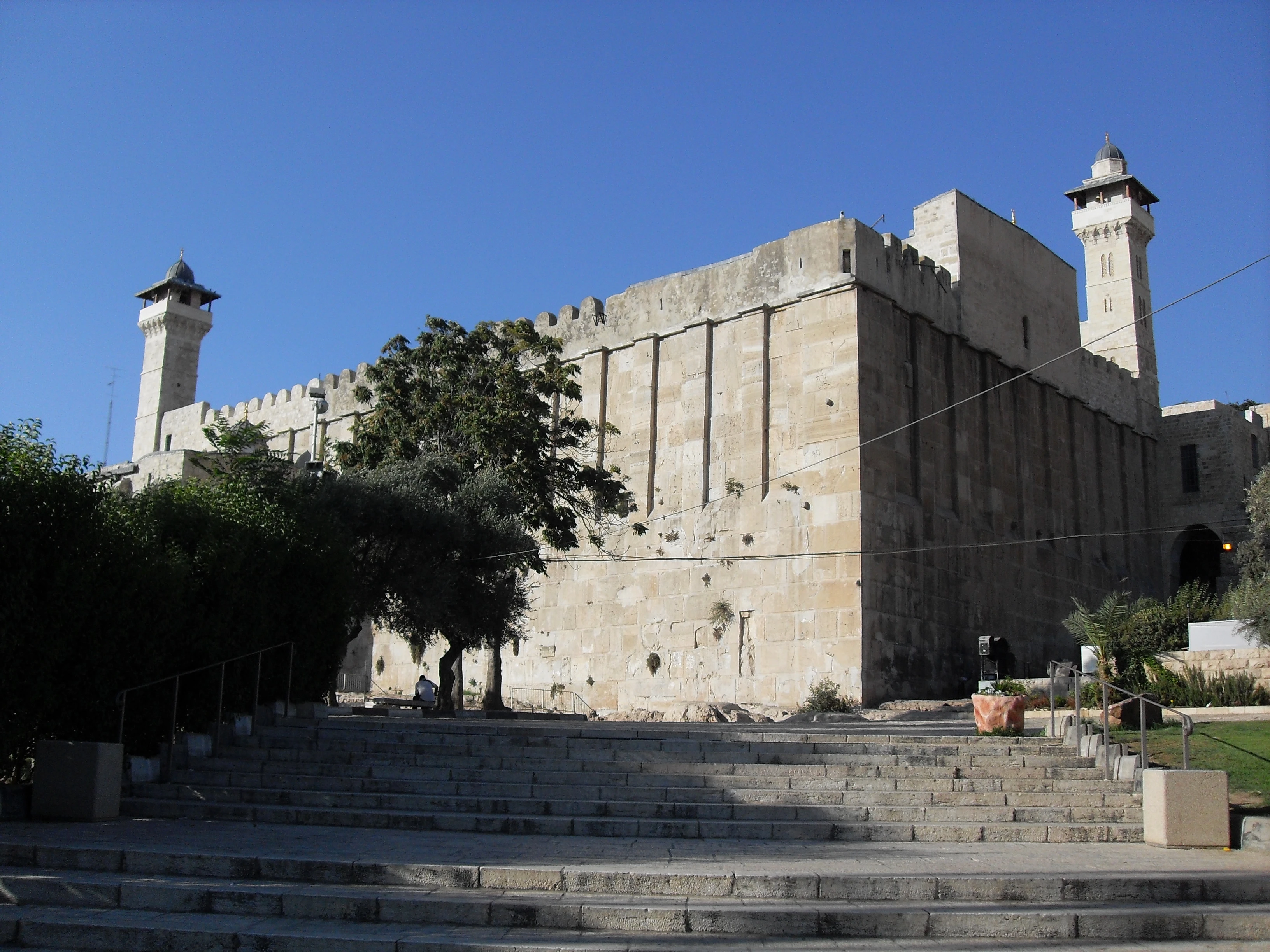
The site carries outsized symbolism. UNESCO designated Hebron’s Old City and the Ibrahimi Mosque/Tomb of the Patriarchs as a Palestinian World Heritage Site in 2017, describing it as a pilgrimage place for Judaism, Christianity and Islam and noting that the compound’s focal structure dates to the 1st century BCE. The shrine’s political weight is inseparable from its history: in 1994, a Jewish settler opened fire there and killed 29 Muslims at prayer, an attack that still shapes security and access rules in the city.
Palestinian officials said the takeover violated the political and legal status of Hebron and international law. The Palestinian Presidency warned that the move amounted to a bid to cancel the Hebron agreements and transfer powers away from the Hebron Municipality. Israeli outlets framed the change as a practical step to push forward construction work at the shrine, but for Palestinians it signaled a deeper bid to lock in Israeli sovereignty over territory they say should form part of a future state.
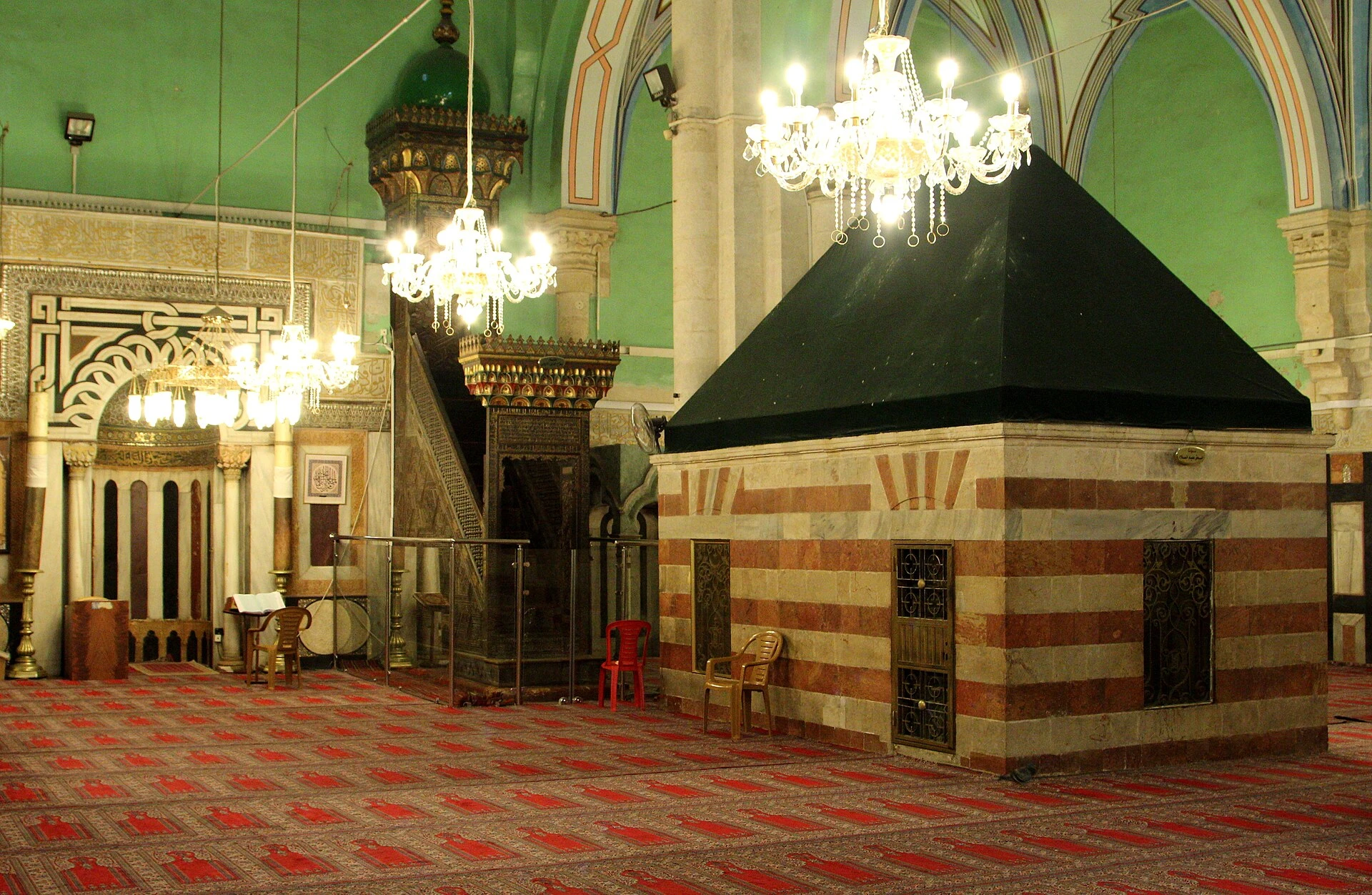
The impact is likely to be felt well beyond the compound walls. Hebron’s H2 zone, which covers about 20 percent of the city, is home to around 35,000 Palestinians and five settlement outposts that house hundreds of settlers. In that setting, even a planning decision can change daily life by shaping building permits, access roads and the balance of authority on the ground, while adding another flashpoint to an already combustible city.
Sources
- [1]usnews.com
- [2]al-monitor.com
- [3]whc.unesco.org
- [4]english.wafa.ps
- [5]timesofisrael.com
- [6]middleeasteye.net
- [7]ynetnews.com
- [8]en.royanews.tv