World
Israel sidelined in U.S.-Iran deal as World Cup thrills begin
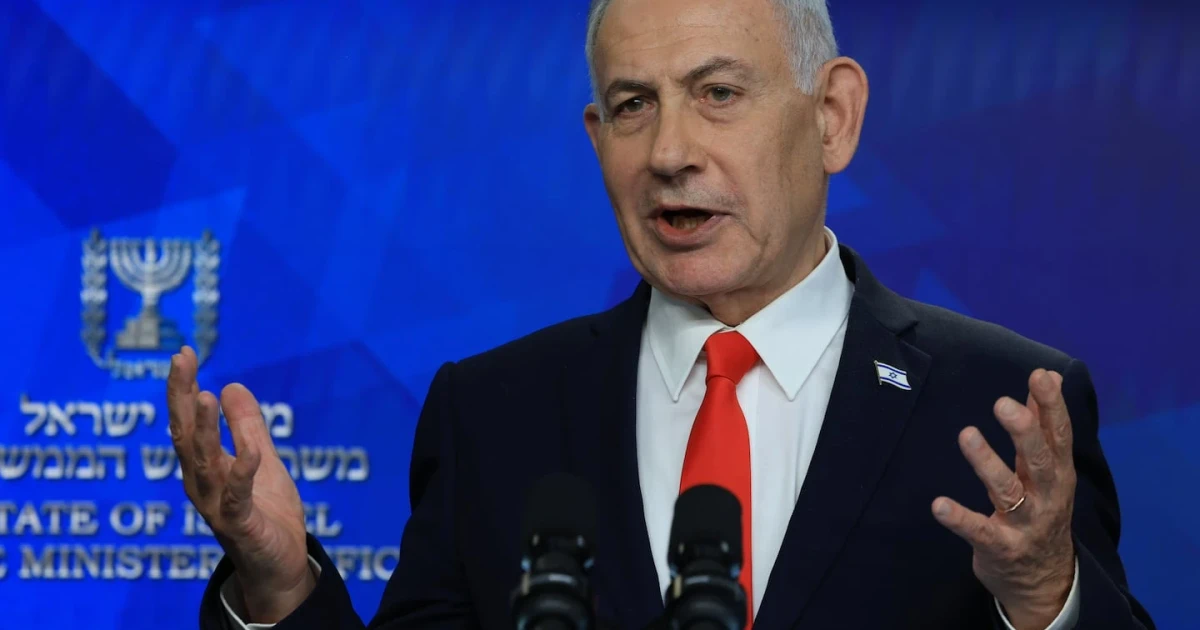
As World Cup thrills begin, the bigger test of nerves is unfolding in the Middle East, where Israel has been left outside a U.S.-Iran agreement that could reorder regional security. That exclusion matters because Jerusalem still holds three levers that could destabilize the deal: military action, intelligence operations and political pressure in Washington.
The military option remains the bluntest threat. Israeli leaders have long argued that no agreement can be accepted if it leaves Iran close to a nuclear breakout or preserves enrichment capacity they see as intolerable. If Israel concludes the bargain does not protect its red lines, it can act on its own, and even the hint of an airstrike would force Tehran, Gulf capitals and U.S. commanders to plan for retaliation, missile fire and disruption across a region already stretched by war and proxy conflict.
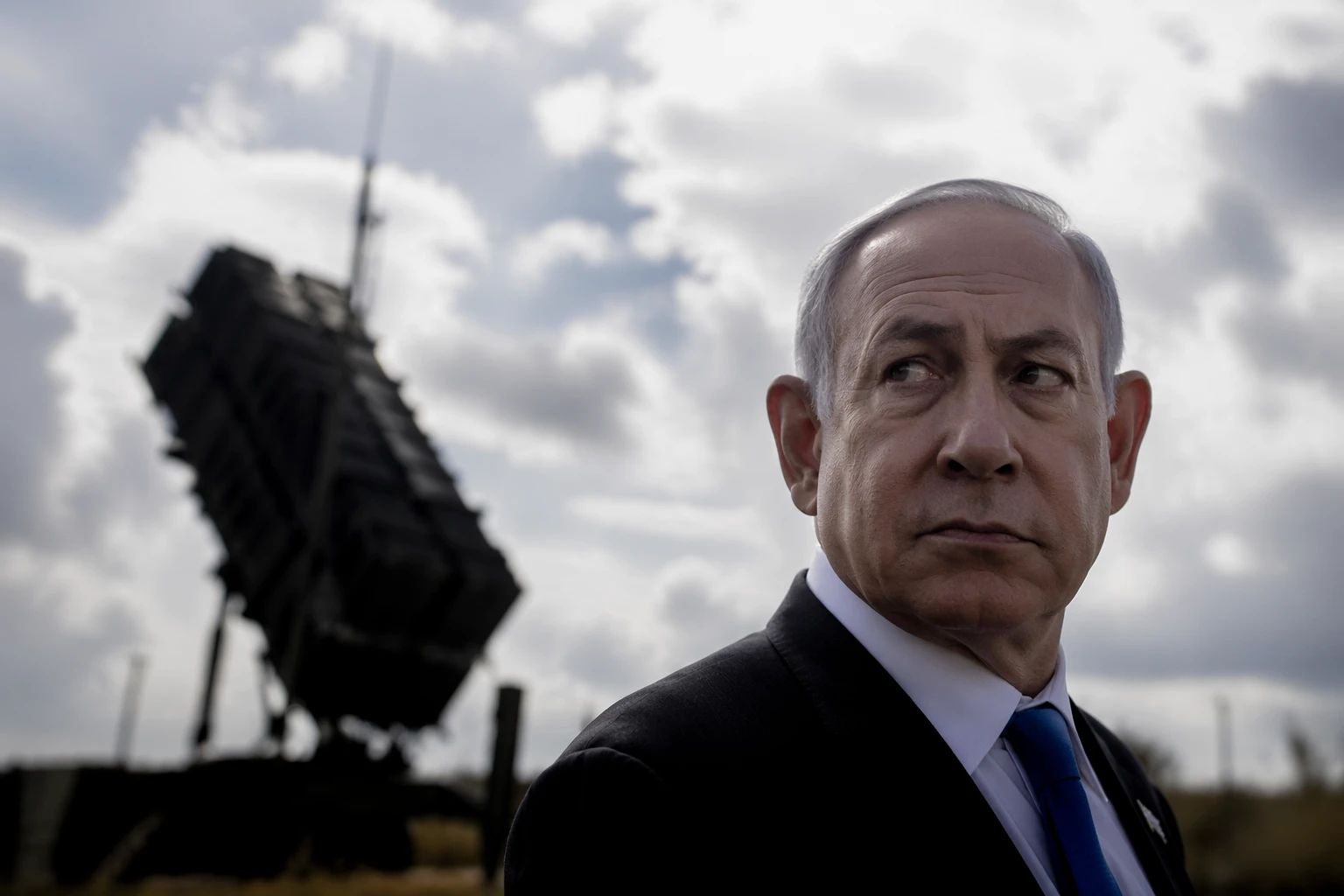
Covert action is the quieter risk, but not a small one. Israel’s intelligence services have repeatedly shown the ability to slow hostile programs through sabotage, cyberattacks and targeted operations. Those tactics can buy time, but they also carry a cost: every hidden blow can harden Iranian resolve, raise the chance of miscalculation and turn a diplomatic opening into a cycle of revenge. A deal that looks stable in public can quickly become brittle if either side believes the other is cheating or if Israel decides the accord is making the threat worse, not better.

The third lever is political, and it may be the most durable. Israeli leaders, their allies and sympathetic lawmakers can push hard in Washington over sanctions relief, inspection terms and enforcement triggers. They can argue that any agreement lacking strict verification or a credible snapback mechanism puts U.S. forces and regional partners at risk. That pressure does not require a single airstrike to matter; it can slow funding, divide Congress and make it harder for any administration to defend the pact at home.
For regional stability, the central danger is simple: a deal negotiated without Israel may still be signed by Washington and Tehran, but it will not be safe from sabotage. If U.S. officials cannot persuade Israel that the agreement protects its security, the accord could survive on paper while the region braces for the next move in a much wider confrontation.
Sources
- [1]npr.org