World
Israel strikes Hezbollah after deadly attack, U.S.-Iran talks delayed
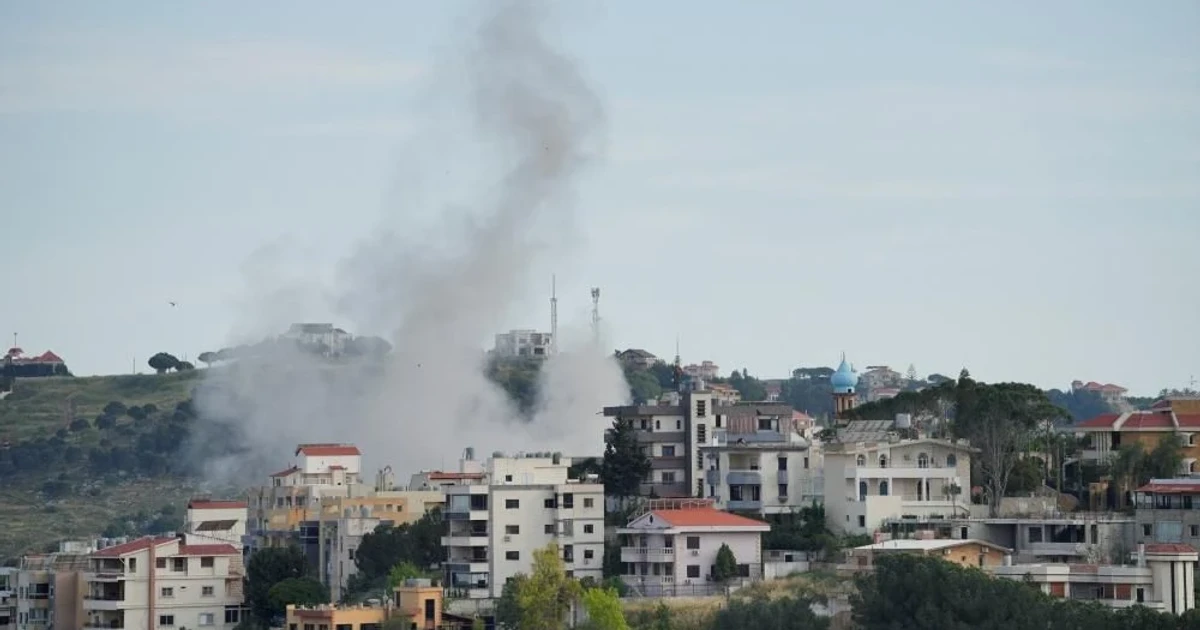
Israel widened its assault on Hezbollah positions in southern Lebanon after four Israeli soldiers were killed in fighting there, one of the deadliest attacks by the Iran-backed group in this war. The Israel Defense Forces said it struck more than 80 Hezbollah targets and killed dozens of Hezbollah members in response to what it described as ceasefire violations, as the conflict pushed deeper into a new phase of escalation.
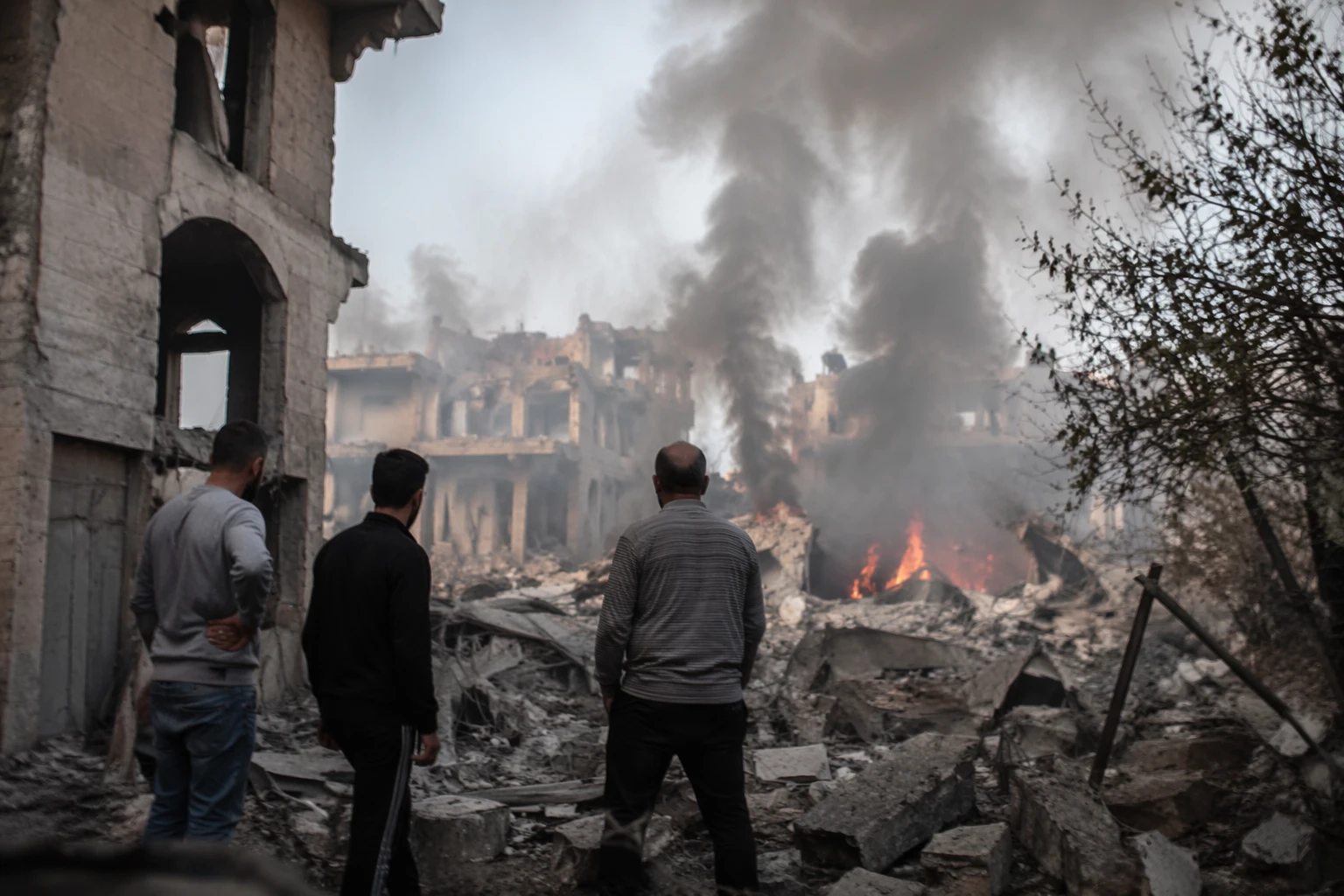
Lebanon’s National News Agency reported at least 18 people killed in Israeli strikes. Residents fled from the southern districts of Tyre and Bint Jbeil as the violence spread, underscoring the pressure on civilian areas already hit by months of fighting. In one account of the overnight battle, four Israeli soldiers were killed during clashes in southern Lebanon, in what appeared to be a Hezbollah drone strike targeting a tank.
The fighting also threw another diplomatic track into doubt. Switzerland said the U.S.-Iran talks scheduled for Friday at the Burgenstock mountaintop resort were postponed. The negotiations were meant to open a 60-day phase aimed at implementing a preliminary agreement between Tehran and Washington, but the White House said Vice President JD Vance delayed his planned trip to Switzerland because of difficult logistics. Iranian negotiators had still not confirmed whether they would travel.
Iran’s chief negotiator, Mohammad Bagher Ghalibaf, said the talks would remain bound by Tehran’s “red lines.” Iran’s foreign minister, Abbas Araghchi, and President Masoud Pezeshkian said their government would defend Iran’s interests and dignity. The pause came as both sides were expected to discuss sanctions relief and Iran’s pledge not to pursue nuclear weapons, with conservatives in Iran skeptical and some U.S. lawmakers arguing the agreement gave Tehran too much.
The deal is supposed to do more than freeze a nuclear dispute. It is designed to end the wider Middle East war on all fronts, including Lebanon, lift the U.S. naval blockade on Iranian ports, and reopen the Strait of Hormuz for 60 days without charge. France pressed Washington to use its leverage on Israel to stop hostilities in Lebanon, a sign that battlefield losses, cross-border retaliation and diplomatic delay are now moving together, and fast.
Sources
- [1]nytimes.com
- [2]usnews.com
- [3]abcnews.com
- [4]dhakatribune.com
- [5]arabnews.com
- [6]msn.com