World
Israel strikes southern Lebanon, escalating conflict after Iran pullback
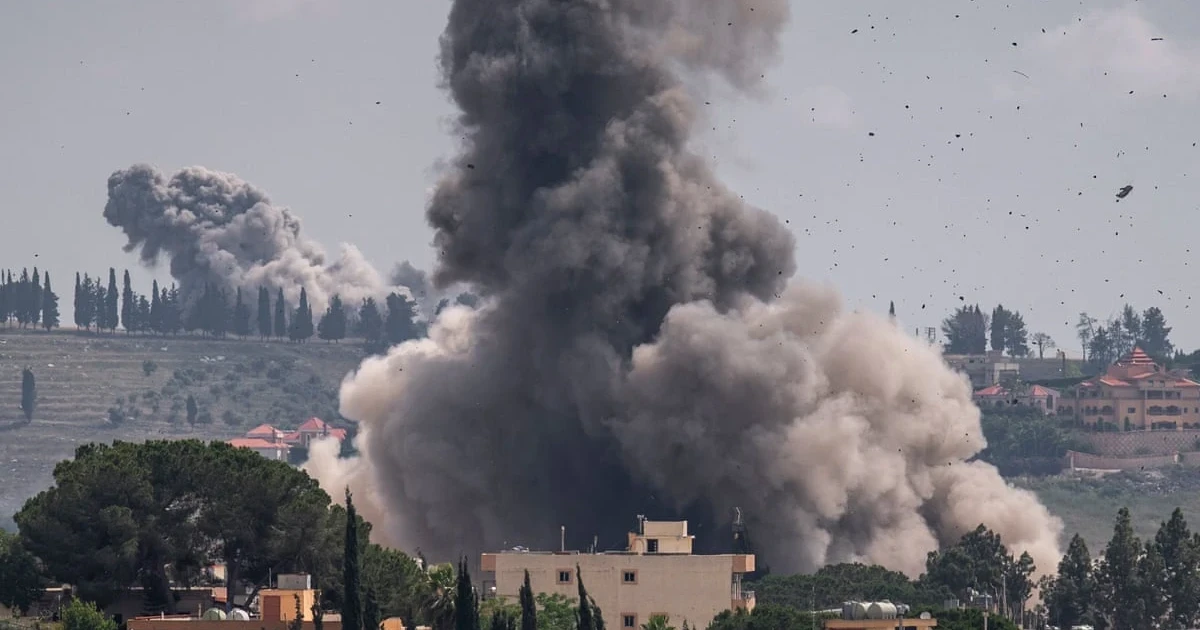
Israeli airstrikes and artillery kept pounding southern Lebanon even after the direct Israel-Iran confrontation had begun to cool, underscoring how quickly the conflict can slide back into a wider regional war. The latest strikes killed at least four people in two towns, while Israel ordered residents of Nabatiyeh, a major Hezbollah stronghold, to evacuate before attacks and said its troops were establishing positions south of the city.
The stakes are bigger than another round of border fire. The fighting in Lebanon began on March 2, 2026, when Hezbollah opened fire in support of Tehran after U.S. and Israeli attacks on Iran, and it has since killed at least 3,433 people and injured 10,395 in Lebanon, according to Lebanese health authorities cited by the United Nations. More than 1.2 million people have been uprooted, and the UN said nearly one million were still displaced across the country in late May, a sign that the battlefield pressure is deepening a humanitarian crisis that has already spread from Beirut’s southern suburbs to the southern cities of Tyre and Saida.
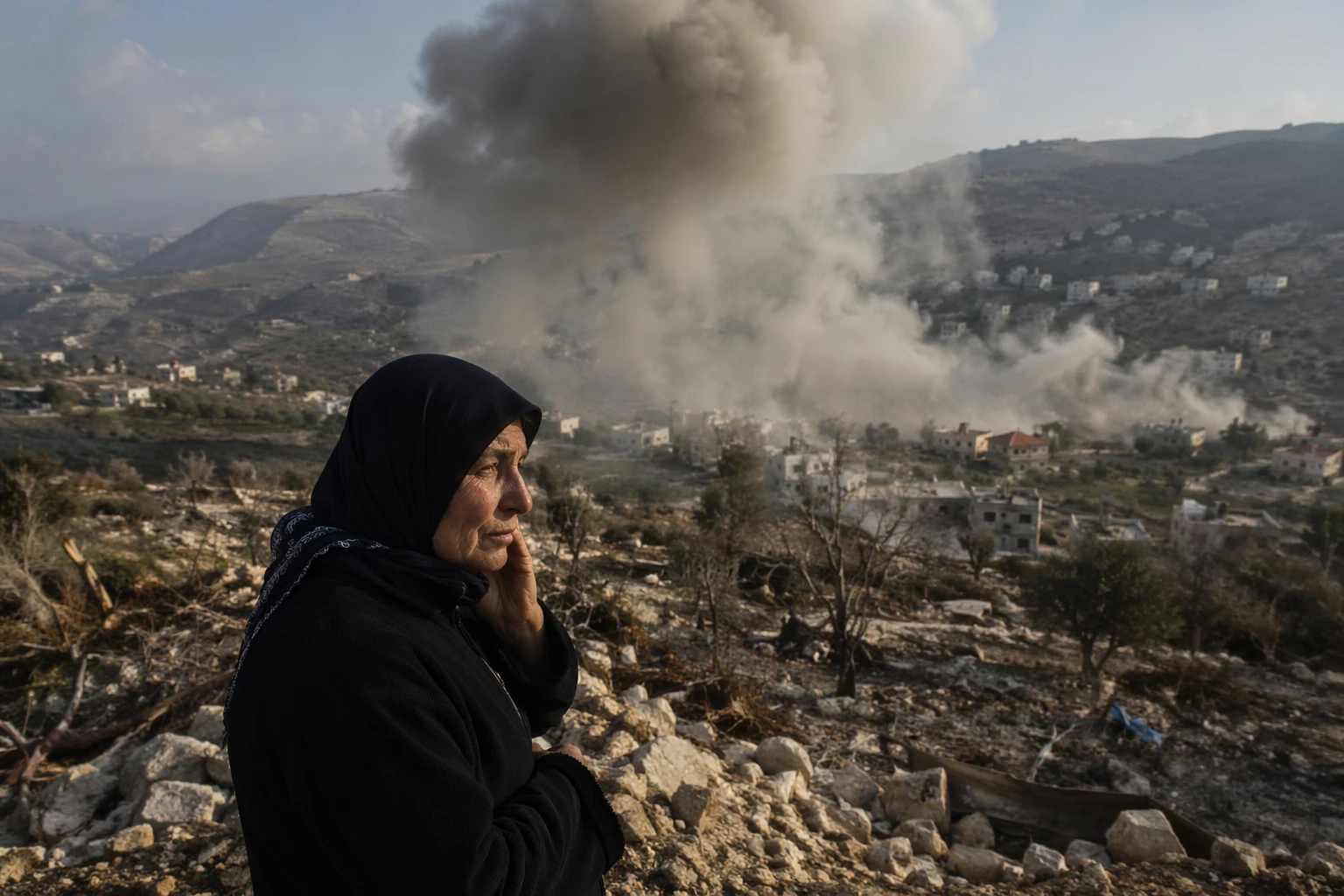
The military dimension has also sharpened. Israel’s forces have taken what Benjamin Netanyahu described as strategic areas in southern Lebanon, including Beaufort Castle near Nabatiyeh, while warning that it would hit Beirut’s southern suburbs if its northern communities were attacked. That escalation has left Hezbollah fighting on terrain that matters not only for Lebanon’s border but for the broader diplomacy around Iran. Reuters and UN reporting said Tehran has pressed for any broader deal to address Israeli attacks in Lebanon, turning the Hezbollah front into a potential wrecking ball for U.S.-Iran talks just as direct confrontation appeared to ease.
Ceasefire diplomacy now hangs on whether Hezbollah is willing to step back from the border and whether Israel is prepared to stop expanding operations. Hezbollah rejected the U.S.-mediated ceasefire plan on June 4, with leader Naim Qassem calling it “a roadmap for the annihilation of a section of the Lebanese people,” and insisting that northern Israel would not be safe as long as Lebanese villages were being bombed and civilians killed. The United States said the truce depended on Hezbollah ceasing fire and withdrawing fighters from border areas, but Hezbollah said it was not a party to the talks.
The human cost keeps rising. UN agencies recorded five attacks on health care facilities between May 29 and June 1, leaving one health worker dead and 19 injured, and later said at least 196 attacks affecting health care had been recorded since March 2. On June 5, the UN and Lebanon appealed for an additional $331.5 million, bringing a revised flash appeal to $639.9 million to assist 1.4 million people through August 2026, a stark measure of how fast the conflict is draining civilian resilience.
Sources
- [1]nytimes.com
- [2]usnews.com
- [3]news.un.org
- [4]unocha.org
- [5]un.org
- [6]yahoo.com
- [7]france24.com