Science
Israel tests underwater munition removal to reopen public shoreline
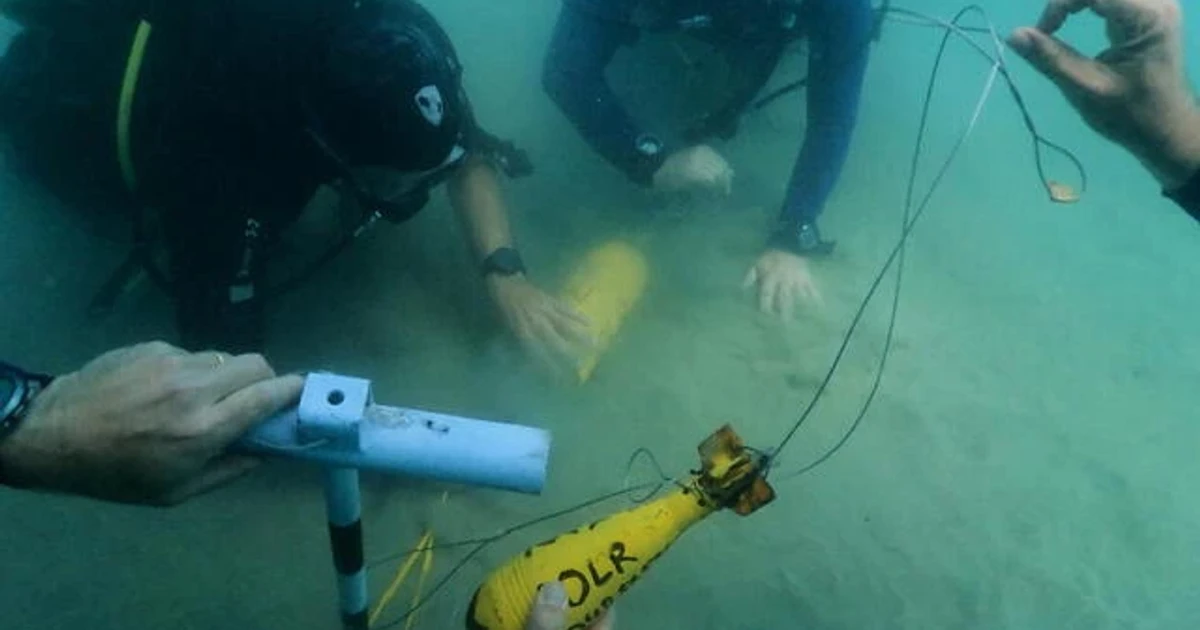
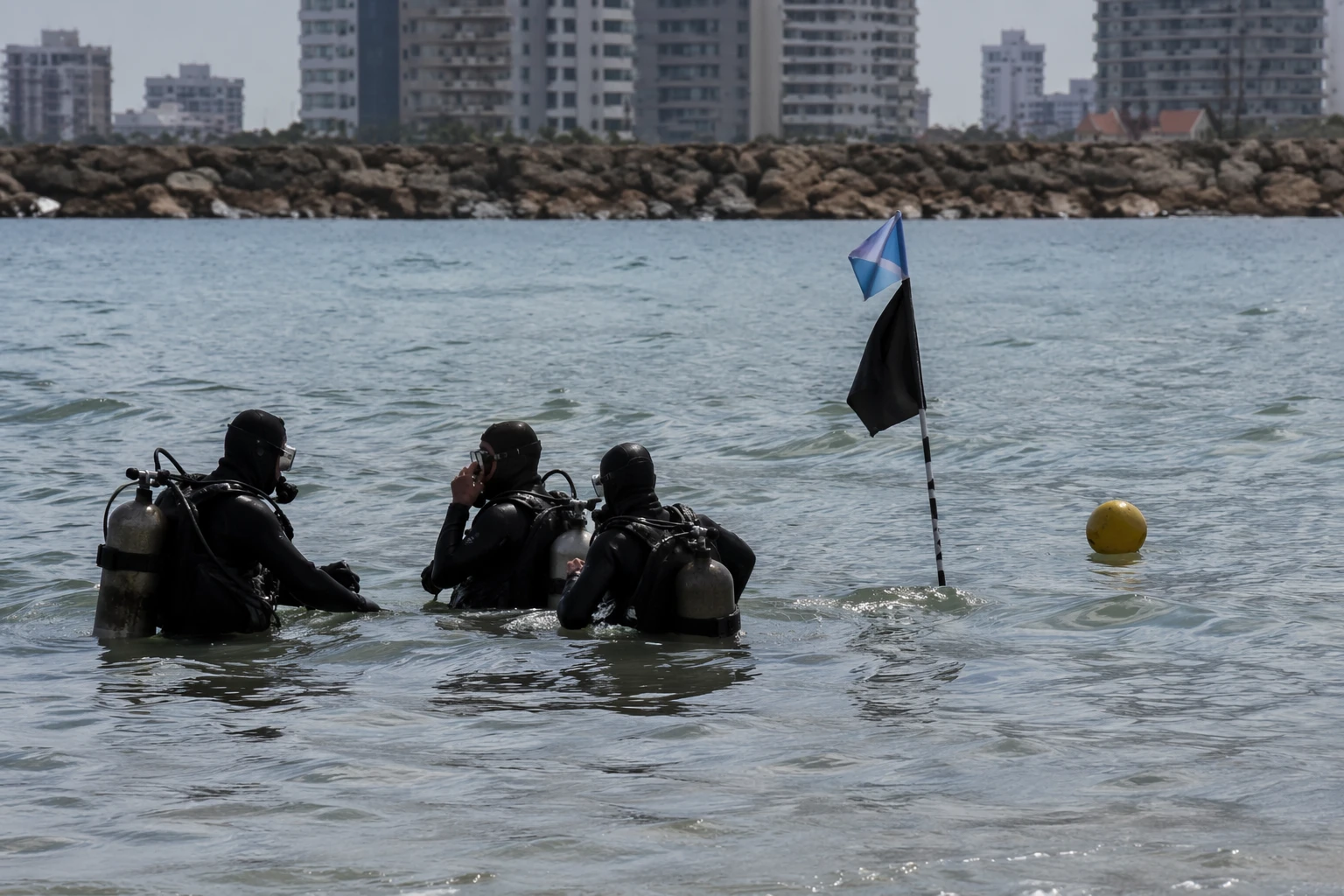
On the Mediterranean coast near Rishon LeZion, divers tried to prove they could find and remove underwater munitions so roughly 2 kilometers, or 1.2 miles, of shoreline could reopen to the public. They marked coordinates with a handheld GPS, dropped an anchor and buoy, and then spent hours searching for yellow-painted mock mortar shells planted months earlier for training. They surfaced without finding them, a reminder of the core problem Roy Jaijel, who co-leads the effort, described bluntly: “It’s really hard to find things in the sea.”
The test is part of a joint project launched last year and funded by Rishon LeZion’s municipality, led by Israel’s National Mine Action Authority and researchers from the National Institute of Oceanography. It is being carried out on the edge of a former military testing ground known as Firing Range 24, where the Defense Ministry said military exercises had taken place since 1953. In January 2026, the ministry said it had finished the first phase of clearance and handed more than 300 dunams, or 74 acres, back to the city for redevelopment and environmental restoration.
The goal is not only to open beach space but to deal with hazards that can remain dangerous long after fighting ends. Corrosion can cause toxic and explosive chemicals, along with heavy metals, to leak into the water, and people can be injured if they step on or handle objects that look harmless but are not. Research on dumped munitions in marine environments has found that they may contain conventional explosives, chemical warfare agents and metals, and field studies have detected munition-related contaminants in water and sediment near disposal sites.
Israel’s experiment also fits into a wider effort across Europe and beyond to deal with ordnance that has been sitting underwater for decades. As coasts are used more heavily for shipping, energy, recreation and fiber-optic cables, governments have begun investing in better detection and recovery methods. The European Commission said in November 2024 that about 300,000 tonnes of unexploded ordnance lie dormant in Baltic Sea waters, while GEOMAR Helmholtz Centre for Ocean Research Kiel says more than 1.6 million tonnes of old munitions are stored on the bottom of the North and Baltic Seas. A CORDIS project description says experts estimate that tens of thousands of tons of UXO remain in European seas, mostly from World War I and World War II.
The Rishon LeZion shoreline project is still at the testing stage, but its stakes are practical: reopening a beach, reducing risk and building techniques that could be used in other coastal waters where the surface looks calm and the seabed still holds war’s remnants.