World
Israel Threatens Forceful Response After Deadly Lebanon Strikes
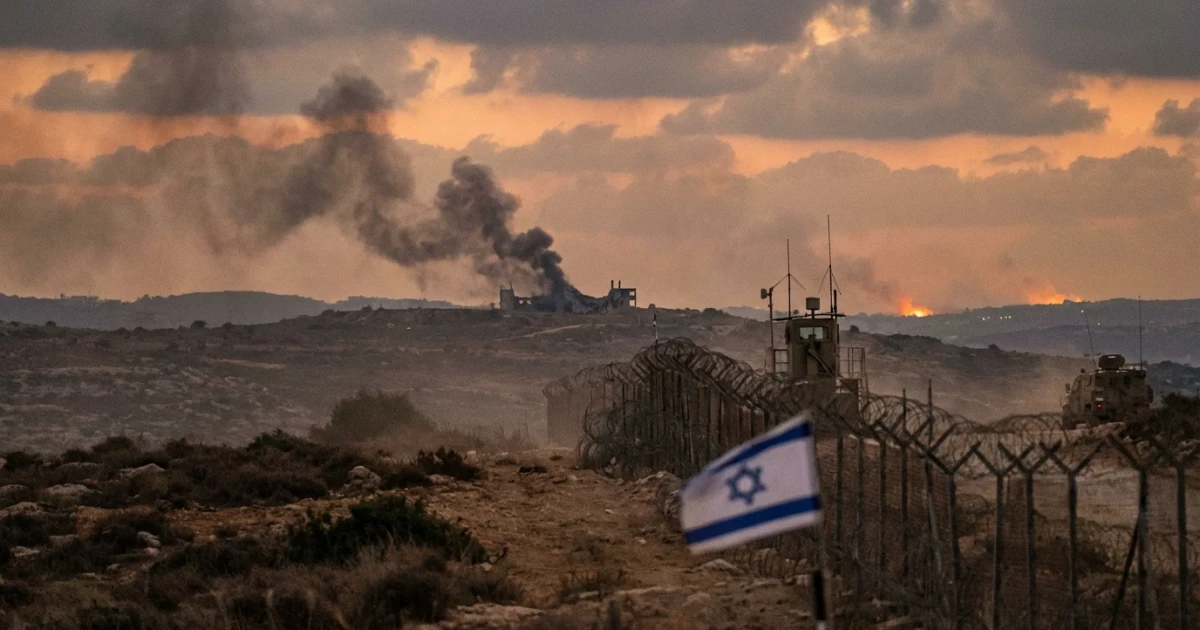
Israel has issued a stern warning to Hezbollah, pledging a 'forceful' response after four people were killed in Israeli strikes on southern Lebanon. The announcement comes amid mounting tensions along the volatile border, renewing concerns about the risk of a wider conflict between Israel and the Lebanese militant group.
Fatal Strikes Intensify Border Tensions
According to reports from Reuters, Israeli strikes on Thursday resulted in the deaths of four individuals in southern Lebanon. Israeli Prime Minister Benjamin Netanyahu responded by ordering the military to 'vigorously attack' Hezbollah positions, escalating rhetoric and military activity on both sides. This incident marks one of several recent cross-border exchanges, as the situation on the Lebanon-Israel border continues to deteriorate.
- Four fatalities reported in southern Lebanon following Israeli strikes
- Netanyahu directs the Israel Defense Forces to intensify operations against Hezbollah
- Increased cross-border fire raises concerns for civilians and international observers
Israeli Leadership Signals Escalation
Prime Minister Netanyahu's directive to 'vigorously attack' Hezbollah underscores Israel's intent to respond to what it views as provocations by the group. Reuters notes that Israeli officials have increasingly framed Hezbollah rocket and drone attacks as intolerable security threats. The Israeli military has also warned of further operations should Hezbollah continue its cross-border activities, heightening the risk of escalation.
Hezbollah's Capabilities and Response
Hezbollah, a Lebanese militant group with significant military assets, has long engaged in sporadic clashes with Israel. The group possesses a range of rockets, drones, and ground forces, making it a formidable adversary along the border. Background data on Hezbollah's military capabilities illustrates their capacity for sustained conflict, and their leadership has previously vowed to retaliate against Israeli strikes on Lebanese soil.
Humanitarian Concerns and International Response
The recent violence has triggered concerns for civilians living in southern Lebanon and northern Israel. According to humanitarian data compiled by the UN OCHA Humanitarian Data Exchange, cross-border incidents have led to displacement and casualties among local populations. International observers, including the United Nations Interim Force in Lebanon (UNIFIL), continue to monitor the situation closely, urging restraint from both sides.
Risk of Wider Conflict
Analysts warn that the mounting hostilities could pave the way for broader confrontation. According to a recent report by the International Crisis Group, the region's fragile balance risks being upset if either side miscalculates or escalates further. Previous rounds of fighting have shown the potential for rapid escalation and humanitarian fallout.
Looking Forward
As Israel vows to respond forcefully and Hezbollah signals readiness to retaliate, the situation on the Lebanon-Israel border remains fraught. The coming days will likely see increased diplomatic activity as international actors seek to prevent a wider conflict. The eyes of the region—and the world—remain fixed on whether cooler heads can prevail to de-escalate tensions and protect civilian lives.