World
Israel to stay in Lebanon as Iran deal nears, talks loom
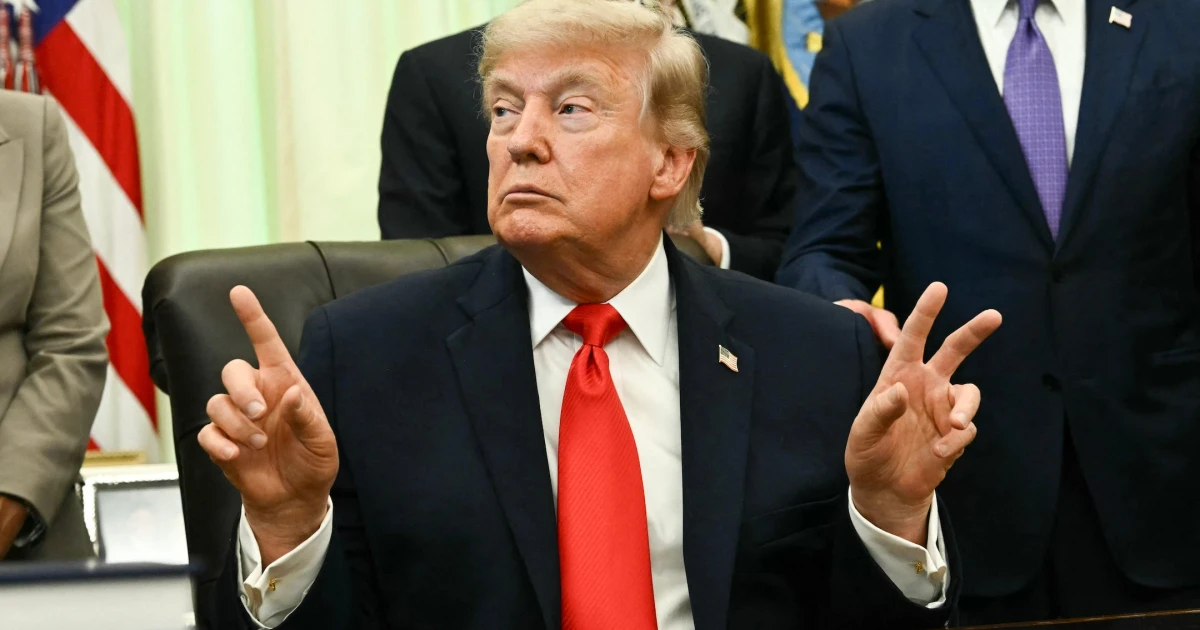
A deal meant to stop the war with Iran and reopen the Strait of Hormuz was moving toward a Friday signing in Switzerland, but the first lines of resistance were already clear: Israel says its forces will remain in Lebanon, and Iran is demanding access to half of its frozen funds before final nuclear talks begin. President Donald Trump said the agreement would reopen the Strait of Hormuz, but he also warned the parties not to “blow it” as Israeli strikes in Lebanon threatened to derail the package.
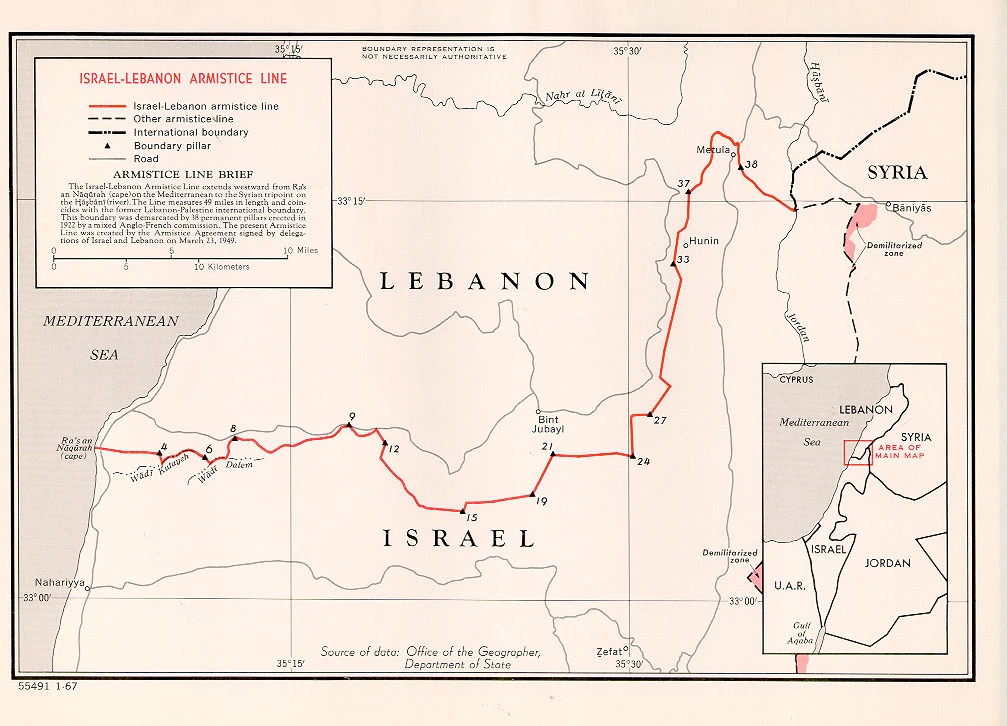
The core problem is that the political framework appears wider than the battlefield realities can bear. Israeli officials say Israel was not part of the negotiations and does not accept a deal that leaves out the goals it set for the war, including curbing Iran’s nuclear program and its regional proxy network. On the ground, the Israel Defense Forces were reported to be deeper inside Lebanon than at any point in more than 25 years, an advance that has sharpened fears in Beirut and beyond that a ceasefire arrangement could collapse before it takes hold.
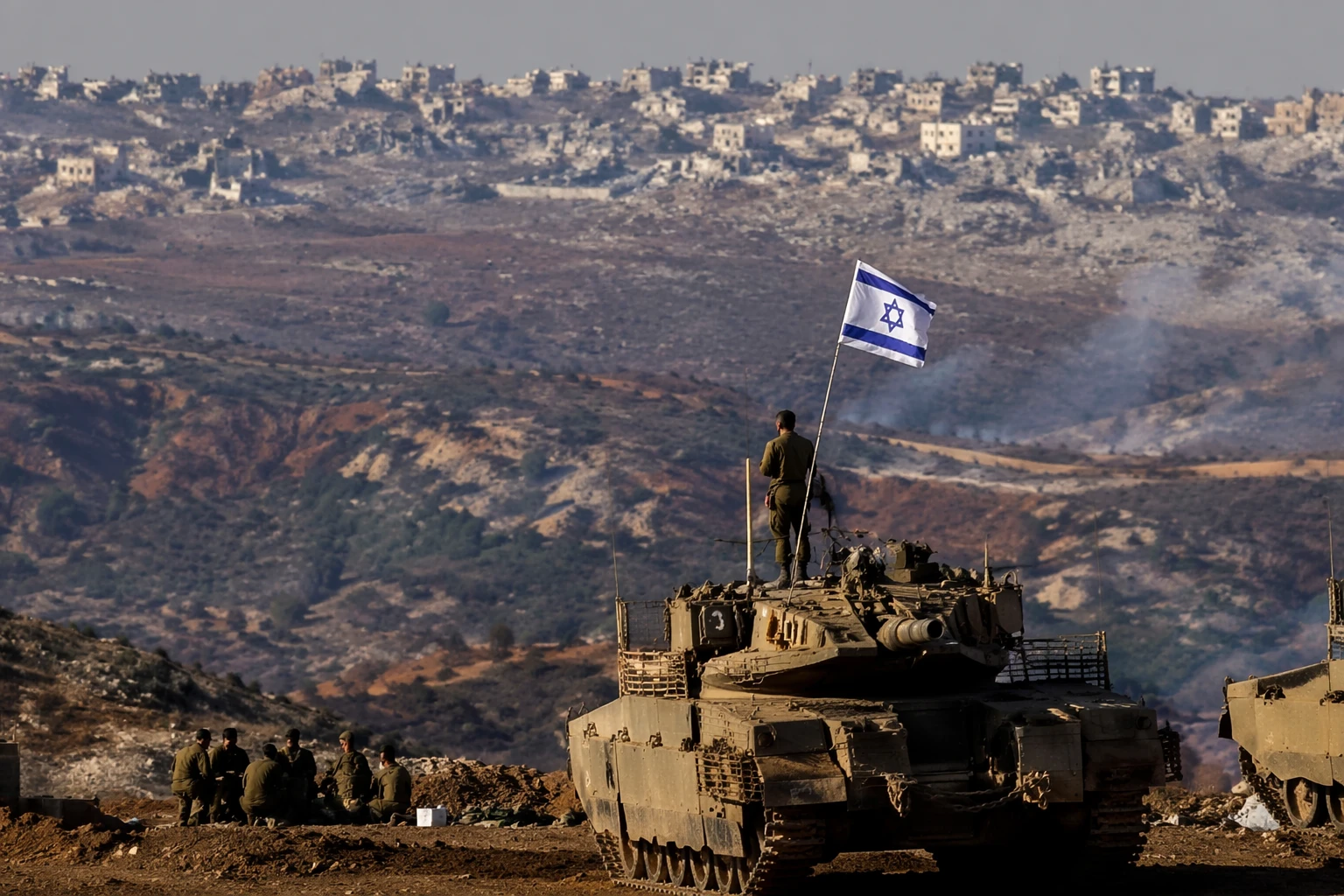
The human cost in Lebanon has already given the talks their most urgent backdrop. More than 3,300 people have been killed since fighting began on March 2, and about 1 million people have been displaced. Qatar called the Israeli advance a “dangerous escalation,” underscoring how quickly the conflict around Lebanon has become entangled with the broader effort to strike a U.S.-Iran understanding.
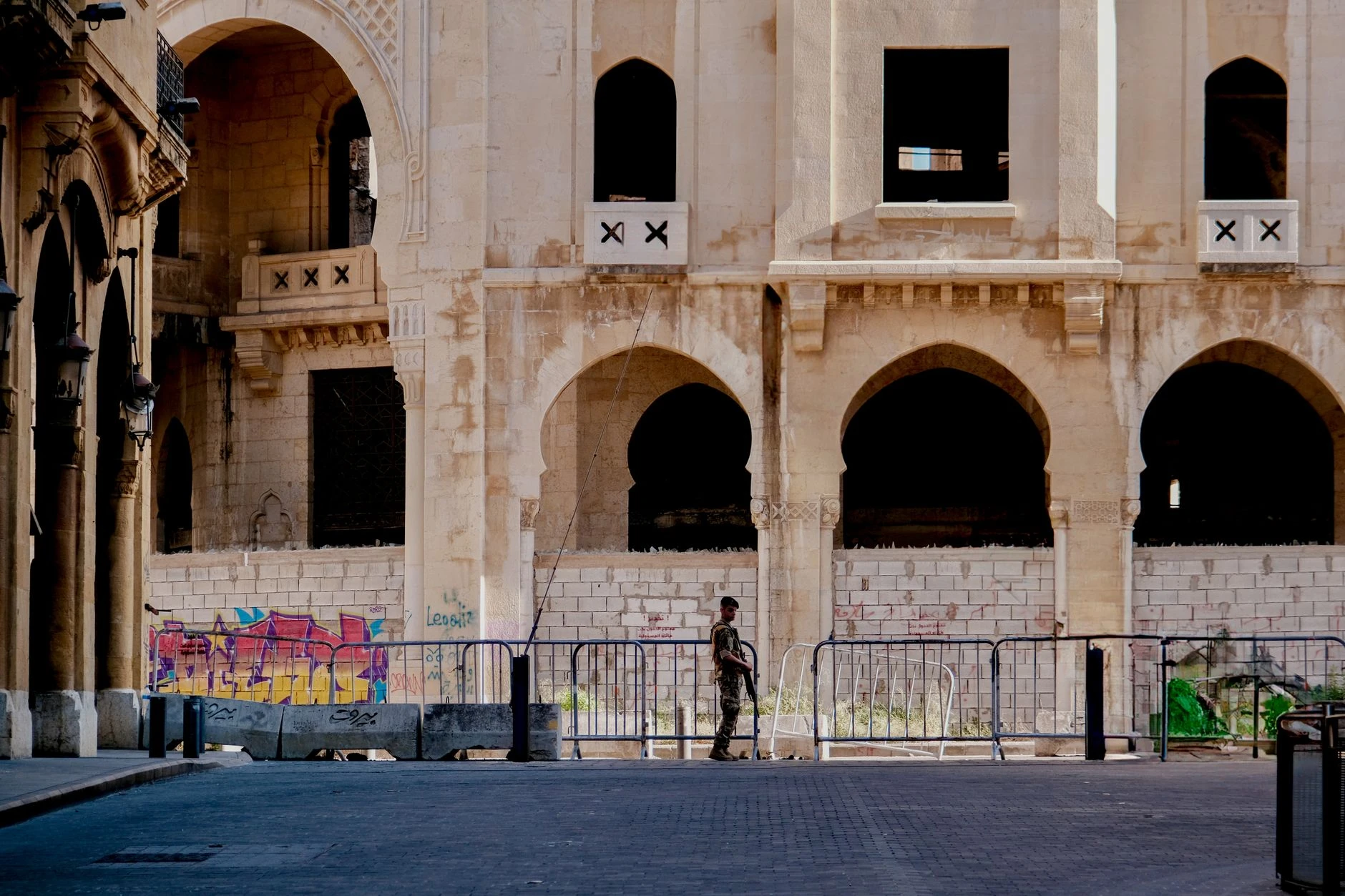
The reported draft terms driving the negotiations point to the same fault lines. They call for a 60-day period of talks on a final nuclear agreement, the release of $24 billion in blocked Iranian funds, and half of that money to be made available before negotiations begin. The draft also would suspend sanctions on Iranian oil sales during the negotiation period and limit the final phase to nuclear issues alone, excluding missile-program questions and support for proxy groups.
Shehbaz Sharif has been identified as a mediator and as the first to announce the pact, while Iranian officials, including Deputy Foreign Minister Kazem Gharibabadi and Foreign Ministry spokesman Esmail Baghaei, have said the text still needs review and finalization. That sequencing matters: the deal’s security guarantees, financial concessions and nuclear limits all hinge on whether both sides can hold to the same script once the signing in Switzerland is over.
Sources
- [1]cbsnews.com
- [2]cnbc.com
- [3]abcnews.com
- [4]iranintl.com
- [5]timesofisrael.com