World
Israeli Airstrikes Hit Beirut Suburbs Amid Ceasefire Strain
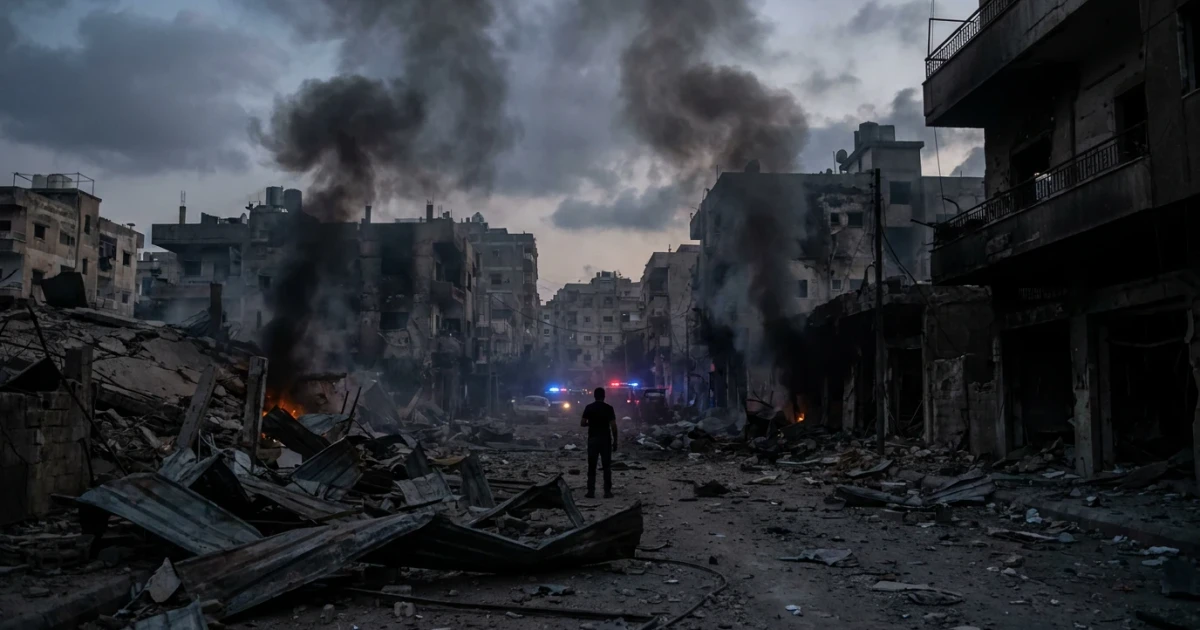
Israeli airstrikes struck the suburbs of Beirut late Tuesday, marking the first such attack on the Lebanese capital since the implementation of the fragile ceasefire between Israel and Hezbollah. The escalation has raised concerns about the durability of the current truce and the potential for renewed conflict along the Israel-Lebanon border.
Beirut Suburbs Targeted for First Time Since Ceasefire
The Washington Post and Reuters reported that the strikes targeted areas on the outskirts of Beirut, a move that signals a significant shift in the ongoing tensions. Previous Israeli military actions during the recent conflict had largely been concentrated near the southern border regions of Lebanon. This latest operation marks a notable expansion, with the Israeli military reportedly aiming at what it described as Hezbollah infrastructure.
Impact on Ceasefire and Regional Stability
The attack on Beirut suburbs comes at a critical juncture for the UN-monitored ceasefire that has been holding, albeit tenuously, since its brokered implementation. Both The Washington Post and Reuters highlighted that the ceasefire was already under stress following sporadic cross-border incidents in recent weeks. The latest strike risks unraveling months of diplomatic efforts to maintain calm along the volatile frontier.
- Israel's action follows repeated warnings to Hezbollah against military buildup in Lebanon.
- Hezbollah has not immediately commented on the Beirut strikes, but past statements have emphasized readiness to respond to Israeli military operations.
- International observers, including UNIFIL, have urged restraint from both sides, warning that further escalation could endanger civilian populations on both sides of the border.
Humanitarian and Security Concerns
The strikes on densely populated suburbs near Beirut raise urgent humanitarian concerns. While initial reports did not confirm casualties, the targeting of urban areas increases the risk to civilians and critical infrastructure. Data from the UN Office for the Coordination of Humanitarian Affairs (OCHA) underscores the vulnerability of populations in conflict-affected zones, with displacement and infrastructure damage a recurring consequence of renewed hostilities.
Security analysts note that the expansion of Israeli operations to the capital's periphery could signal a new phase in the conflict dynamic. According to the Council on Foreign Relations, the presence of Hezbollah’s military assets in civilian areas has long been a source of tension and international concern.
Regional and International Reactions
The strikes have drawn swift reactions from international partners and regional actors. Diplomatic sources cited in The Washington Post state that urgent consultations are underway among UN Security Council members to address the situation and prevent further deterioration. Calls for de-escalation have been echoed by European and Arab states, emphasizing the need to protect civilians and uphold the ceasefire framework.
Looking Ahead: Risks of Renewed Conflict
As of Wednesday, the situation remains tense, with both sides reportedly on high alert. The resumption of airstrikes near Beirut signals the fragility of existing agreements and highlights the persistent risk of a broader conflict should violations continue unchecked. For more detailed data on recent incidents and their impact, readers can explore the Lebanon Cross-Border Incident Dataset and the ACLED Conflict Data Dashboard.
Diplomatic observers warn that unless urgent efforts are made to reaffirm commitments to the ceasefire and address the underlying drivers of tension, the risk of escalation will persist—threatening not just Lebanon and Israel, but regional stability as a whole.