World
Israeli Airstrikes Kill Lebanese Soldiers After Ceasefire
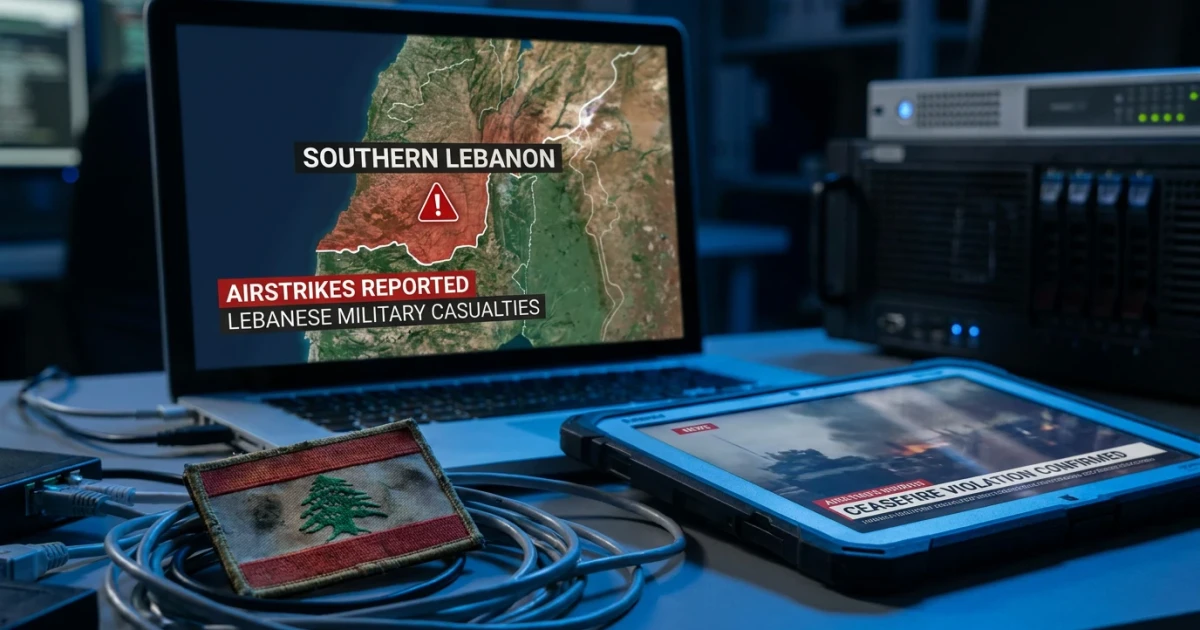
Israeli airstrikes in southern Lebanon killed nine people, including three Lebanese army officers, just days after a ceasefire deal was reached between Israel and Lebanese armed groups. The attacks, reported by the Associated Press and The New York Times, have reignited fears of renewed escalation along the volatile border and raised questions about the durability of the truce.
Airstrikes Target Lebanese Military and Civilians
The strikes occurred in the early hours of Thursday, hitting military positions and nearby civilian areas in southern Lebanon. According to the Associated Press, the fatalities included both Lebanese soldiers and civilians—marking one of the deadliest incidents since the ceasefire agreement was announced. The New York Times confirmed that three members of the Lebanese army were among the dead.
- 9 killed in total, with 3 Lebanese army officers confirmed among the victims
- Strikes hit both military and civilian locations
- Incident occurred days after ceasefire deal was signed
This incident comes amid ongoing cross-border tensions and repeated exchanges of fire between Israeli forces and Lebanese armed groups in recent months. For more details on recent incidents and fatalities, the Lebanon Situation Report provides up-to-date casualty figures and humanitarian impacts.
Ceasefire Agreement and Immediate Aftermath
The airstrikes took place shortly after both sides agreed to a temporary ceasefire intended to halt months of tit-for-tat attacks. According to the Associated Press, the truce had sparked cautious optimism among civilians living near the border, many of whom had been displaced by previous rounds of violence. However, the latest incident has cast doubt on the efficacy of the agreement and the willingness of the parties to uphold it.
The United Nations Interim Force in Lebanon (UNIFIL) is tasked with monitoring ceasefire violations and facilitating dialogue between the conflicting parties. The recent attack is likely to be registered as a major breach of the ceasefire terms, with UNIFIL urging restraint on both sides.
Regional and Humanitarian Impact
The deaths of Lebanese military personnel have heightened tensions in Beirut, where government officials condemned the strikes as a violation of national sovereignty. The Associated Press notes that the Lebanese army, typically regarded as a stabilizing force, has been drawn into the conflict, further complicating the security situation.
- The UN Office for the Coordination of Humanitarian Affairs (OCHA) reports ongoing displacement and civilian casualties due to cross-border violence
- Humanitarian organizations warn that renewed fighting could worsen the crisis for civilians in southern Lebanon
- Recent Human Rights Watch reports document the toll of repeated Israeli airstrikes on civilian infrastructure and daily life
While both sides had previously signaled openness to de-escalation, the latest strike threatens to drag Lebanon and Israel back into open conflict, with regional actors urging calm.
Background: Border Tensions and Ceasefire Challenges
The Lebanon-Israel border has been a flashpoint for decades, with periodic flare-ups between Israeli forces and Lebanese groups. An explainer on the border crisis details the complex dynamics, including ceasefire deals, cross-border attacks, and the challenges of maintaining peace in the region.
Previous ceasefire arrangements have often been short-lived, with violations by both sides leading to renewed violence. This latest incident underscores the fragility of the current agreement and the difficulties facing mediators and peacekeepers in the area.
Looking Ahead: Calls for Investigation and Restraint
Lebanese authorities have called for an international investigation into the airstrikes, while Israel has not commented publicly on the incident. The United Nations and humanitarian agencies are urging both parties to respect the ceasefire and avoid further escalation.
As the situation remains tense, observers warn that the coming days will be critical for determining whether the ceasefire can hold, or if the border will see a return to the cycle of violence that has plagued the region for years.