World
Israeli drone strike kills one in Lebanon after peace framework
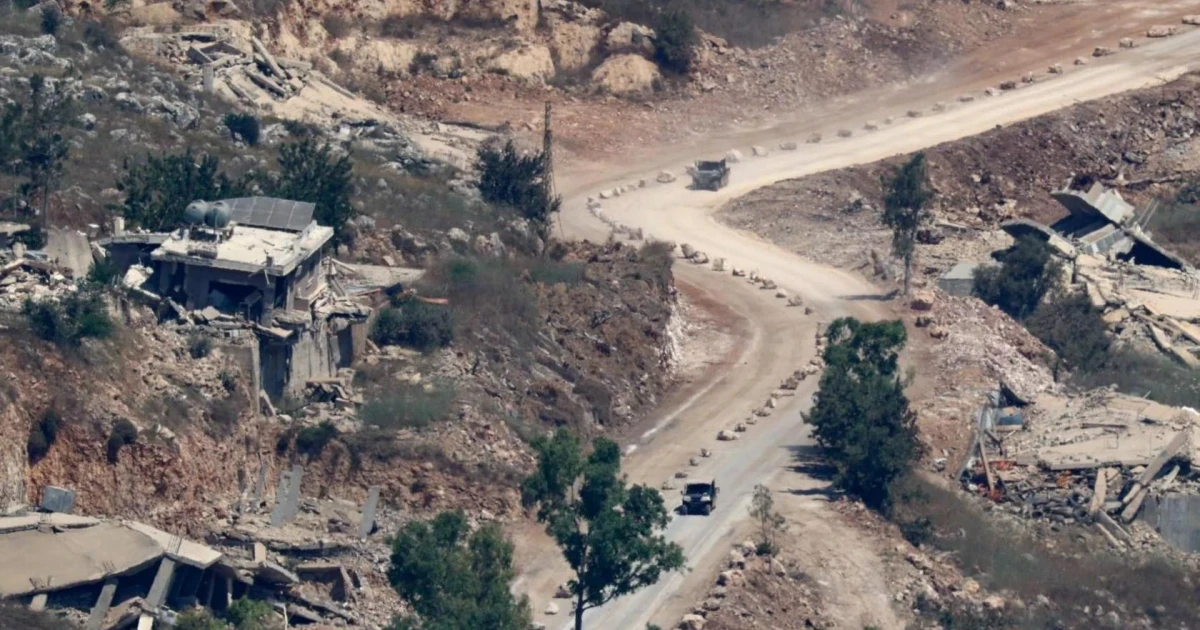
An Israeli drone strike in Nabatieh al-Fawqa killed one person and wounded another just a day after Lebanon and Israel signed a U.S.-brokered framework meant to open a path toward lasting peace and security.
Lebanon’s state news agency said the strike hit southern Lebanon on Saturday, June 27, 2026. The attack landed in Nabatieh al-Fawqa, outside a security zone shown on a map published by Israel, underscoring how quickly the agreement ran into the reality of an active border war.
The deal itself was signed in Washington on Friday, June 26, 2026. The United States described it as a trilateral framework between the United States, Israel and Lebanon, and Reuters reported that it included steps to disarm Hezbollah and create pilot zones in which the Lebanese Armed Forces would take exclusive control, excluding non-state actors from those areas.
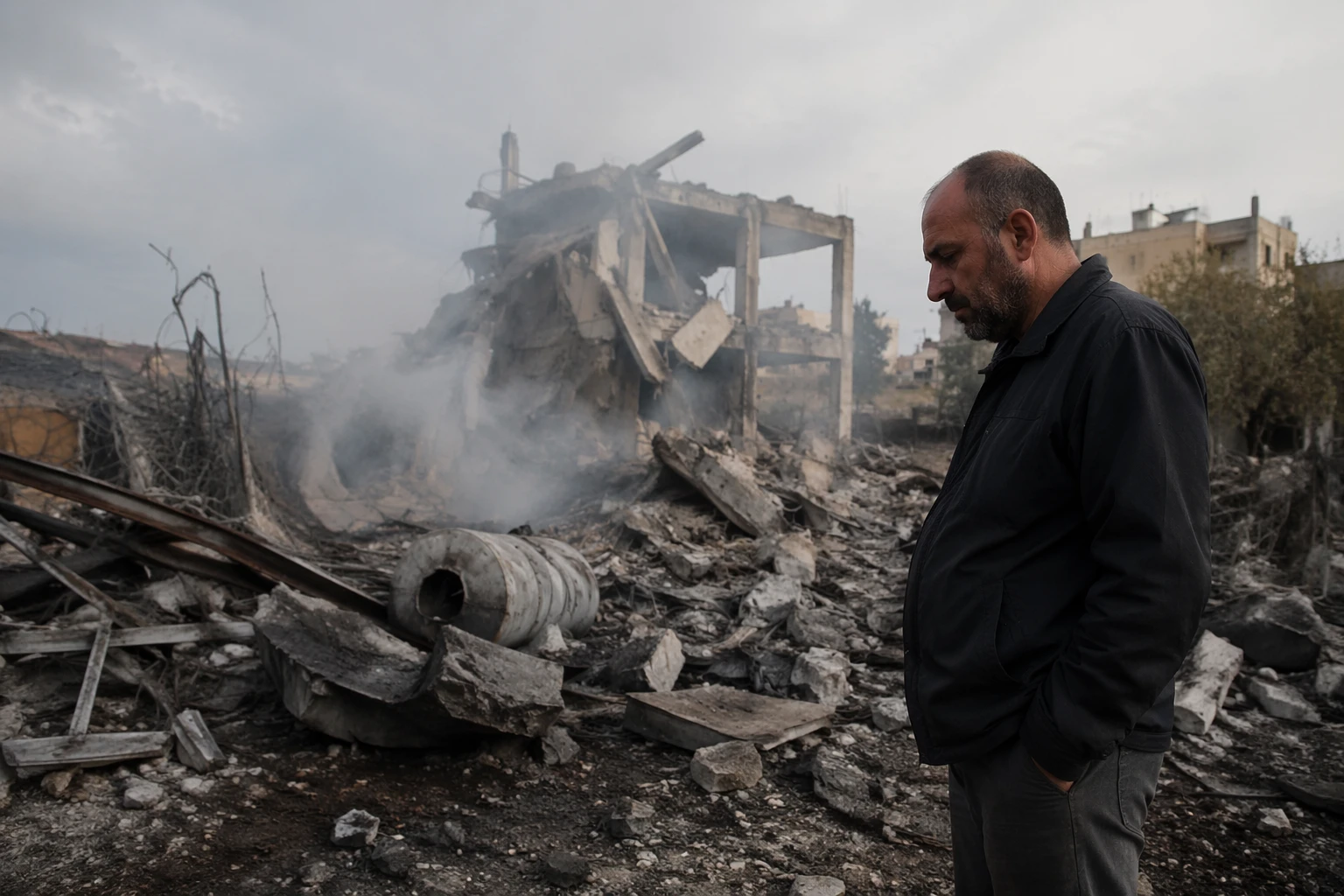
That structure now faces its first serious test. Hezbollah leader Naim Qassem rejected the agreement on Saturday, calling it effectively null and void and denouncing it as a surrender of sovereignty. Some Hezbollah supporters and other Lebanese critics voiced the same broad objection, arguing that the framework imposed limits on Lebanon without delivering real protection from Israeli strikes.
The latest attack also revived a central question for communities along Lebanon’s southern frontier: whether the deal has any enforcement or deterrent value at all. A framework that was supposed to lower tensions did not prevent a deadly drone strike within 24 hours, and earlier ceasefire efforts have likewise failed to stop near-daily cross-border fire between Israel and Hezbollah.
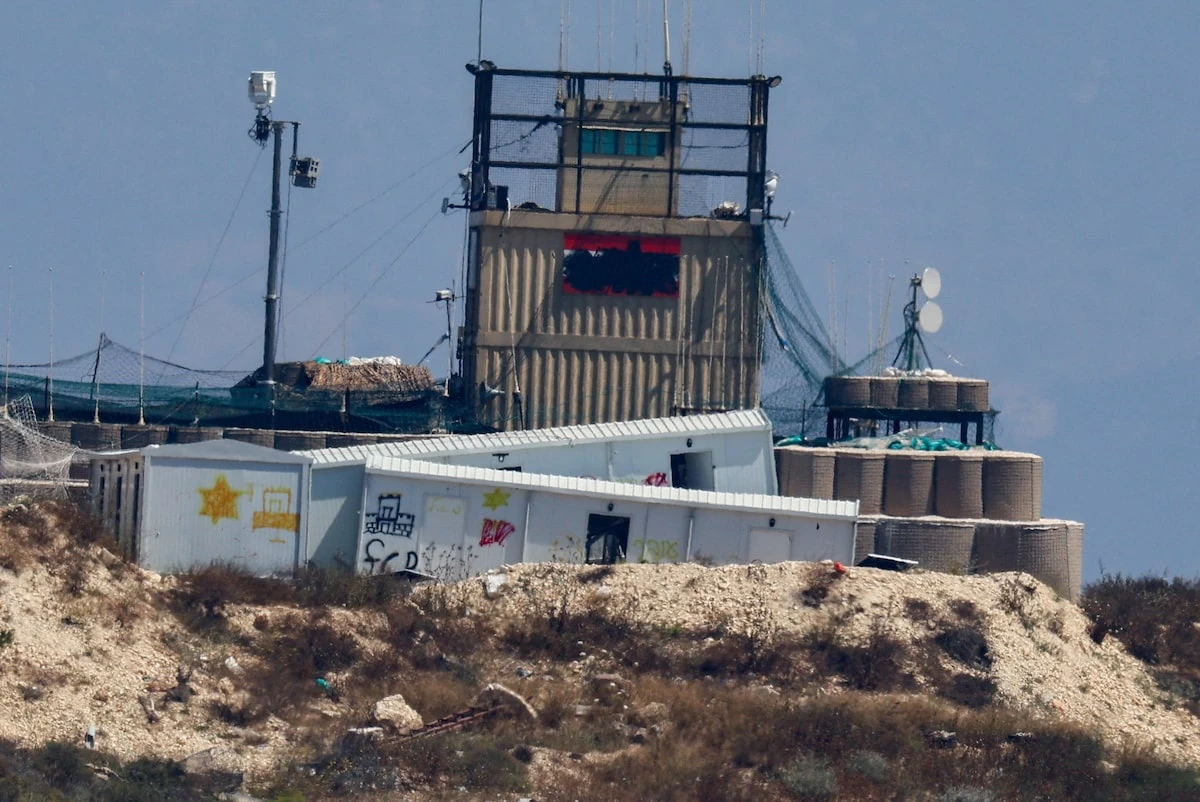
The human toll has mounted far beyond a single strike. Lebanon’s health ministry has said Israeli attacks in Lebanon have killed at least 4,192 people and injured more than 11,600 since the current round of hostilities began, while more than 1.2 million people have been displaced. Israeli figures cited in reporting put the deaths on the Israeli side at 36 soldiers and four civilians.
For families in southern Lebanon, the agreement arrived as a promise of restraint and then collided almost immediately with another burst of violence. With Hezbollah rejecting the pact outright and Israeli fire continuing, the framework’s ability to restrain either side remains untested, and the risk of a broader border war is still present.