World
Israeli Naval Forces Encircle Gaza Aid Flotilla at Sea
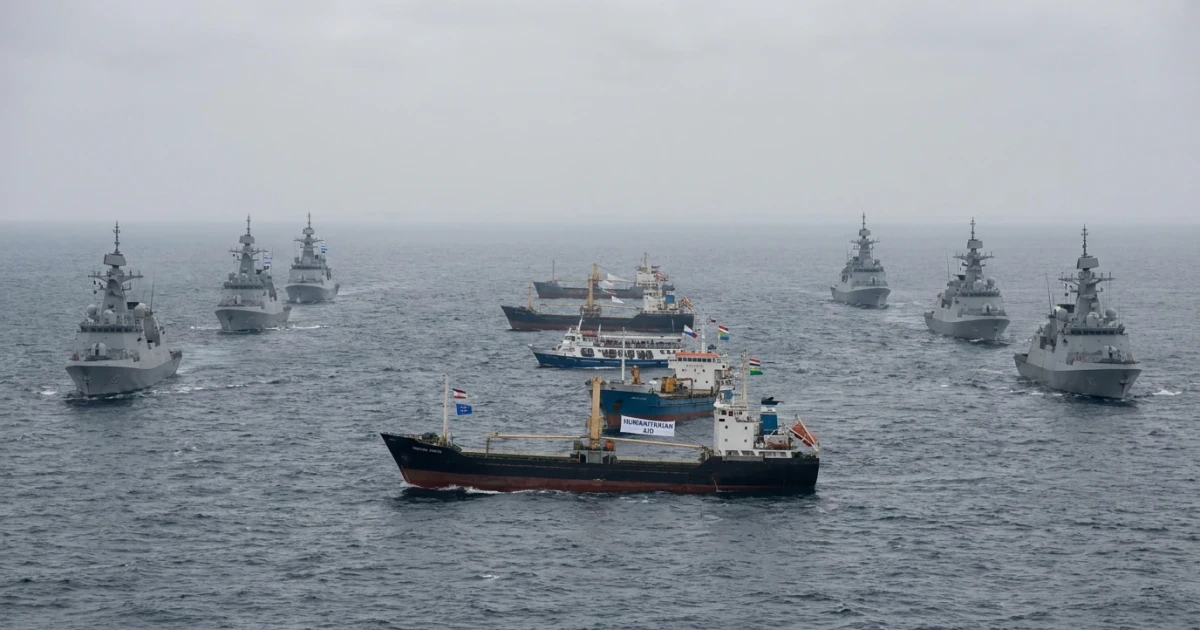
Israeli naval vessels have surrounded a civilian aid flotilla in international waters en route to the Gaza Strip, escalating tensions over humanitarian access in the region and spotlighting the complex legal and humanitarian issues surrounding maritime aid deliveries.
Standoff in International Waters
According to reporting from News18, the incident occurred early Tuesday when Israeli military boats approached and encircled a flotilla carrying humanitarian aid for Gaza. The convoy was reportedly still in international waters at the time of the interception, a detail that has sparked renewed debate over the rules governing such actions under international maritime law.
Humanitarian Needs in Gaza
The event comes amid ongoing concerns about the humanitarian situation in Gaza. United Nations data shows a significant increase in the need for food, medical supplies, and other essentials, with aid deliveries often hindered by border restrictions and periodic closures. The Gaza Strip Crossings Database maintained by the UN Office for the Coordination of Humanitarian Affairs tracks frequent disruptions, with only limited numbers of convoys successfully reaching the enclave.
- Crossings into Gaza are routinely restricted, with the total number of trucks entering per day often falling short of humanitarian agencies’ minimum requirements.
- Recent months have seen a rise in attempts to deliver aid by sea, as overland routes remain tightly controlled.
Legal and Political Context
The interception of aid flotillas in international waters remains a contentious issue. The International Committee of the Red Cross notes that while naval blockades are recognized under certain circumstances by the United Nations Convention on the Law of the Sea, the legality of intercepting vessels outside territorial waters is subject to strict conditions. International organizations have repeatedly called for clarity and transparency regarding such incidents.
Recent reports by Human Rights Watch and other rights groups highlight the impact of Israel’s blockade policy, which they say contributes to shortages and delays in essential aid. The United Nations Secretary-General has previously urged all parties to allow safe passage for humanitarian shipments, referencing international legal obligations and the urgent needs of Gaza’s population.
International Reactions and Next Steps
While the status of the flotilla and its cargo remains uncertain following the Israeli naval action, the incident is likely to intensify calls from the international community for improved humanitarian access to Gaza. Experts emphasize that resolving the legal and political disputes around aid deliveries is essential for addressing the broader crisis and minimizing risks to both aid workers and recipients.
For now, the world’s attention is fixed on whether the aid will ultimately reach its destination—and on the ongoing debate over the balance between security concerns and humanitarian imperatives in the region.