Politics
Israeli Prime Minister Agreed to Truce at Trump’s Request
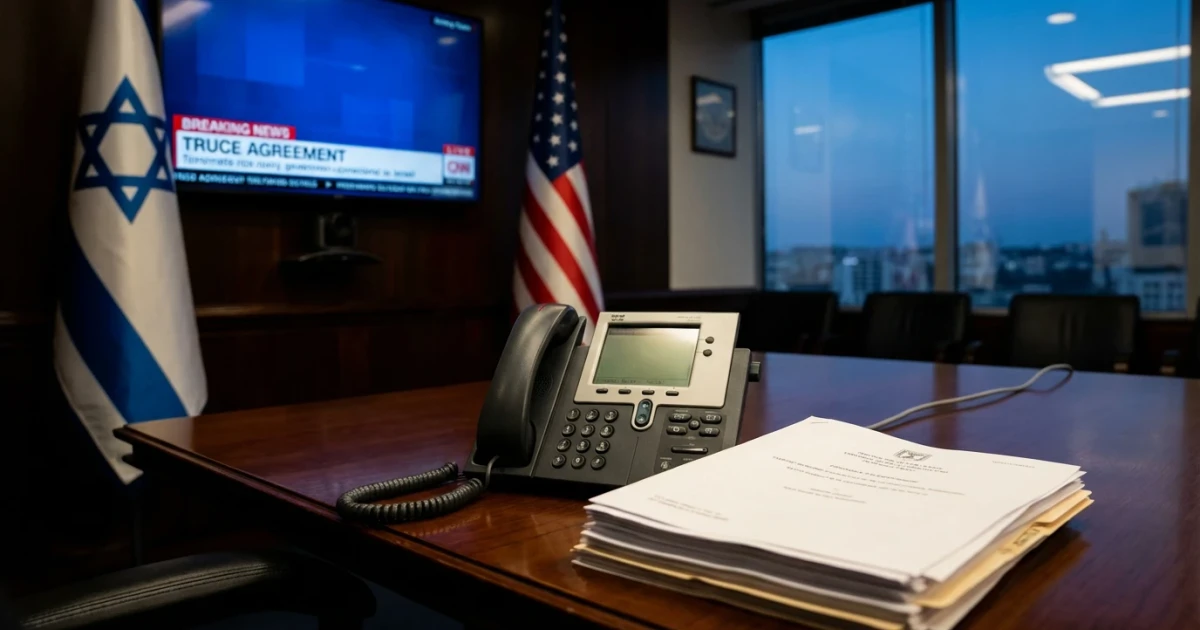
Israeli government ministers were reportedly surprised to learn of a recent truce agreement from media reports, as the Prime Minister revealed he had consented to the deal after a direct appeal from former U.S. President Donald Trump. The episode, reported by The Times of Israel, highlights the ongoing complexities and international influences shaping ceasefire decisions in the region.
Prime Minister's Revelation to Cabinet
On April 16, cabinet ministers in Israel were said to be caught off guard when news of a truce agreement emerged, learning of the development through press coverage rather than official channels. According to The Times of Israel, the Prime Minister explained to ministers that he agreed to the ceasefire following a request from Donald Trump, emphasizing the significant role of U.S. diplomatic intervention in the decision-making process.
International Influence on Israeli Truce Decisions
The incident illustrates the ongoing U.S.-Israel relationship and how American leadership continues to affect Israeli policy, especially regarding truces and conflict de-escalation. The involvement of Donald Trump, even after his presidency, underlines the enduring influence of U.S. figures on Israel-Palestine affairs and the region’s security landscape.
- The U.S. has historically played a key role in brokering and supporting ceasefire agreements in the region.
- Official records of past truces, as compiled in the UN Peacemaker: Israel-Palestine Agreements Database, show frequent international mediation.
- Analysis by the Congressional Research Service details how U.S. diplomatic engagement shapes Israeli security decisions and truce outcomes.
Cabinet Surprise and Communication Gaps
The fact that ministers learned about the truce from the media instead of through official government communication highlights potential gaps in internal coordination. Such surprises can impact both government cohesion and public perception of leadership transparency. The event also underscores how swiftly international appeals—particularly from the United States—can prompt high-stakes decisions in Israel’s security strategy.
Context: Ceasefires and Political Dynamics
Ceasefire agreements between Israel and Palestinian groups are often the result of intense international negotiation. Data from ceasefire agreement databases confirm the high frequency of such deals and the recurring involvement of global actors, especially the United States.
While details on the specific terms of the most recent truce remain limited, the Prime Minister’s admission signals the persistent reality that external requests—particularly from influential allies like the U.S.—can override standard internal processes and take precedence in moments of crisis.
Looking Ahead
As Israel navigates the aftermath of this latest ceasefire, the role of international mediation and the dynamics within its own government will likely remain under close scrutiny. Observers will be watching for any official clarification of communication protocols and further developments in Israel’s approach to ceasefire negotiations, especially as American involvement continues to shape outcomes on the ground.
For readers interested in exploring the official records of past truces, the UN Peacemaker database and the UNISPAL Data Collection offer comprehensive resources. For more background on U.S.-Israel relations, the U.S. Department of State provides an official overview.