World
Israeli Raid on Gaza Aid Flotilla Sparks Global Criticism
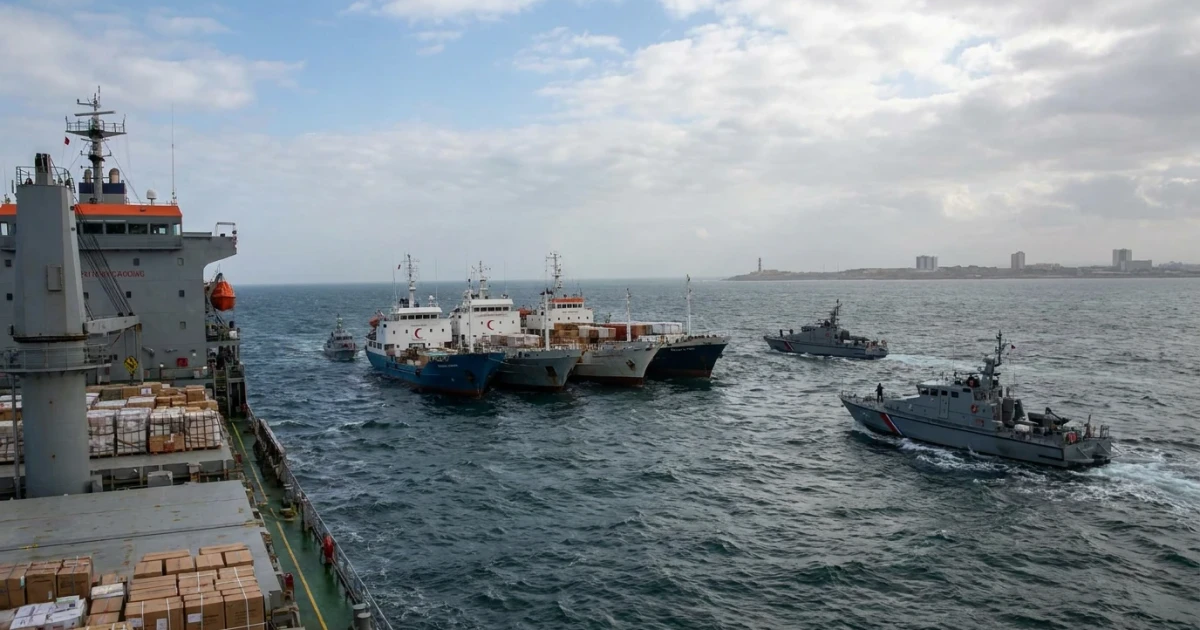
Israel’s recent interception of a Gaza-bound aid flotilla in international waters has triggered swift international backlash, with several governments and advocacy organizations condemning the military action and raising questions about its legality and humanitarian impact. Both Al Jazeera and UPI reported on the raid, which took place on April 30, 2026, as the flotilla sought to deliver emergency relief to the besieged Gaza Strip.
Interception in International Waters
According to UPI, the Israeli navy raided the flotilla while it was still in international waters, forcibly boarding the vessels carrying humanitarian supplies destined for Gaza. The flotilla, organized by a coalition of international NGOs and activists, was reportedly transporting medical equipment, food, and other essentials to address critical shortages in the territory. The Israeli military stated that the operation was intended to prevent potential violations of its maritime blockade on Gaza, a policy which Israel asserts is necessary for its security.
- The raid occurred outside Israeli territorial waters, raising questions about the legality of the action under international law.
- The flotilla was carrying humanitarian aid, including medical supplies and food, to address urgent needs in Gaza.
- Israeli authorities claimed they offered to transfer the aid via established land crossings, but flotilla organizers rejected the proposal, citing concerns about delays and restrictions.
International Response and Accusations of Piracy
Al Jazeera reported that the raid sparked immediate condemnation from several countries and international bodies. Critics described the Israeli action as an "act of piracy", referencing the fact that the interception occurred in international waters. Legal experts cited by Al Jazeera argued that such actions may contravene established norms regarding the freedom of navigation and the protection of humanitarian missions under international maritime law. For readers interested in the legal context, an explainer on the law of piracy in international waters provides further insight into the definitions and boundaries relevant to this case.
- Several governments called for an independent investigation into the incident.
- Human rights groups emphasized the need for safe passage of humanitarian aid to Gaza, referencing the humanitarian impact of the longstanding blockade.
- The term 'piracy' was widely used by activists and some officials to describe the event, though its legal applicability remains debated.
Humanitarian Context in Gaza
The raid comes amid ongoing humanitarian challenges in Gaza, where UN OCHA data show a severe shortage of essential goods and restricted access through established border crossings. The Gaza Strip Crossings Database indicates that the number of aid trucks entering Gaza has declined significantly in recent months, intensifying the need for alternative relief channels like the intercepted flotilla.
- Gaza’s population faces acute shortages of medical supplies, food, and clean water.
- Recent figures highlight that only a fraction of humanitarian aid requests are approved for entry through official crossings.
- The blockade, now in its 15th year, has been widely criticized by human rights organizations for its impact on civilian life.
Legal and Political Debate
While Israel maintains that its blockade is legal under international law and necessary for security, critics argue that intercepting aid vessels in international waters violates the principle of freedom of navigation and could constitute an unlawful restriction of humanitarian assistance. The incident echoes previous confrontations, such as the 2010 flotilla interception, which was scrutinized in the UN Panel of Inquiry report and led to significant diplomatic fallout.
Disagreement Over Legal Definitions
The use of the term 'piracy' remains contentious. According to legal experts, piracy under international law typically involves acts committed for private ends, not state actions for perceived security purposes. Nevertheless, the international community’s strong reaction underscores the ongoing debate over the legality and morality of enforcing blockades and intercepting humanitarian missions.
Looking Ahead
The aftermath of the raid is expected to fuel further discussion about the balance between security and humanitarian obligations in the region. Calls for independent investigations and renewed diplomatic engagement are likely, as stakeholders seek both accountability and a solution to the worsening crisis in Gaza.
For readers seeking more detail on aid flows, blockade impacts, and maritime law, the following resources offer in-depth data and analysis:
- Gaza Strip Crossings Database – United Nations OCHA
- Gaza Blockade: 15 Years – Human Rights Watch
- Gaza Strip: Facts and Figures – ICRC
- Report of the Secretary-General’s Panel of Inquiry on the 2010 Flotilla Incident
- What Is the Law of Piracy in International Waters?
As tensions remain high, the international community faces renewed pressure to address both the humanitarian needs of Gaza and the legal complexities of maritime enforcement.