World
Israeli Restrictions During Holy Week Spark International Criticism
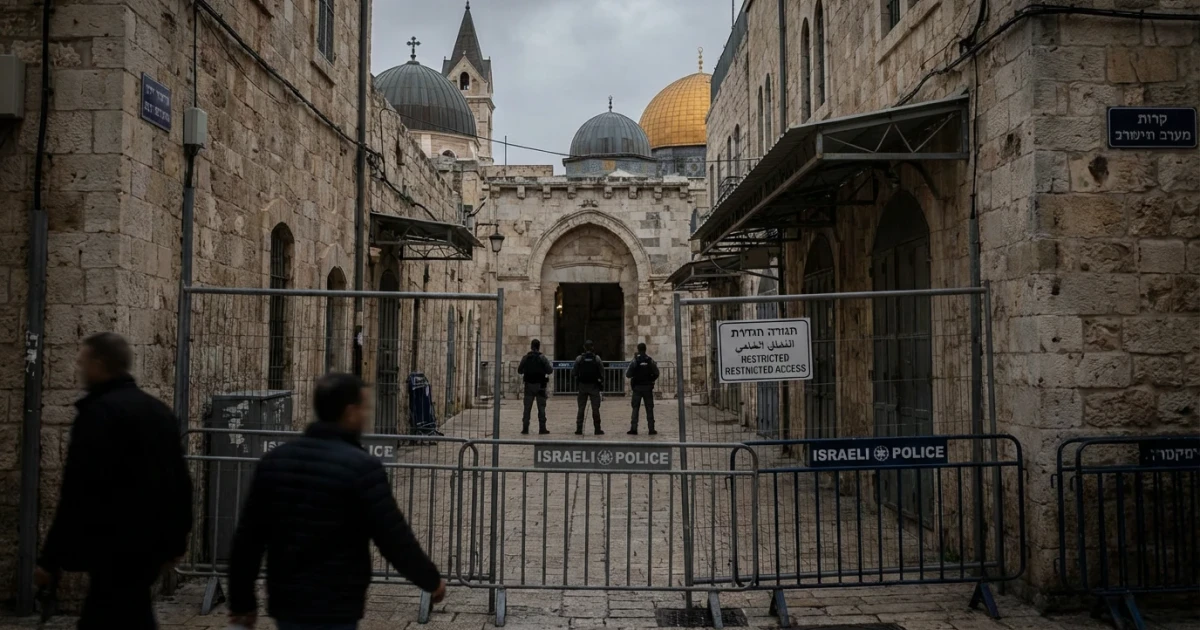
Controversy has intensified in Jerusalem as Israeli restrictions on access to key religious sites during Holy Week have prompted criticism from religious leaders and heightened concerns among the international community. Outrage continues to build after incidents during the Christian observance of Holy Week, with religious figures and diplomats expressing regret over the impact of these measures on worshippers and the broader region.
Mounting Outrage Over Restricted Access
This year, Israeli authorities imposed movement restrictions on Palestinians and some international pilgrims seeking to enter Jerusalem’s Old City, home to the Church of the Holy Sepulchre and other sacred sites. According to The Washington Post, these measures triggered public protest and dissatisfaction among Christian communities, clergy, and visiting pilgrims, as many were prevented from participating in traditional Holy Week processions and ceremonies.
- The restrictions reportedly included roadblocks, security checkpoints, and limitations on permits for Palestinian Christians from the West Bank and Gaza.
- Many international visitors also faced delays or could not access the Old City during key religious events.
While Israeli officials have cited security concerns and crowd control as reasons for the heightened measures, religious leaders have voiced concerns about the implications for religious freedom and the right to worship.
Diplomatic Reactions and Calls for Change
The controversy deepened after a reported incident at the Church of the Holy Sepulchre, one of Christianity’s holiest sites. The Washington Post noted that Cardinal Pietro Parolin, the Vatican’s Secretary of State, met with Israel’s ambassador to express regret over the incident and to call for respectful access for all faiths. The meeting underscored the diplomatic sensitivities that surround religious access in Jerusalem, a city revered by Christians, Muslims, and Jews alike.
Cardinal Parolin’s intervention reflects broader concerns among church leaders and international observers, who have urged Israeli authorities to balance security needs with the fundamental rights of religious communities. The situation has also drawn attention from human rights groups, with organizations such as Human Rights Watch previously documenting the impact of movement restrictions on Palestinians in Jerusalem and the West Bank.
Historical Context and Ongoing Tensions
Restrictions on movement and access to holy sites in Jerusalem have long been a point of contention, especially during major religious holidays such as Easter, Ramadan, and Passover. According to the OCHA oPt Crossings Database, Israeli policies have frequently resulted in fluctuating levels of access for different religious and ethnic groups.
- Data from the Israel Central Bureau of Statistics highlights the diverse religious makeup of Jerusalem’s population and the importance of equitable access to sacred spaces.
- UN reports have repeatedly called for all parties to respect the Status Quo arrangements governing holy sites and to avoid unilateral actions that could inflame tensions.
Looking Ahead
As Holy Week concludes, pressure is mounting on Israeli authorities to review their approach to managing access during religious holidays. The current backlash underscores the delicate balance between security, public order, and the universal right to worship in one of the world’s most contested cities. The international community and religious leaders are expected to continue their advocacy for open and inclusive access, with many watching closely for any policy changes or new incidents in the future.