World
Israeli Strike on Iranian Gas Field Drives Energy Prices Higher
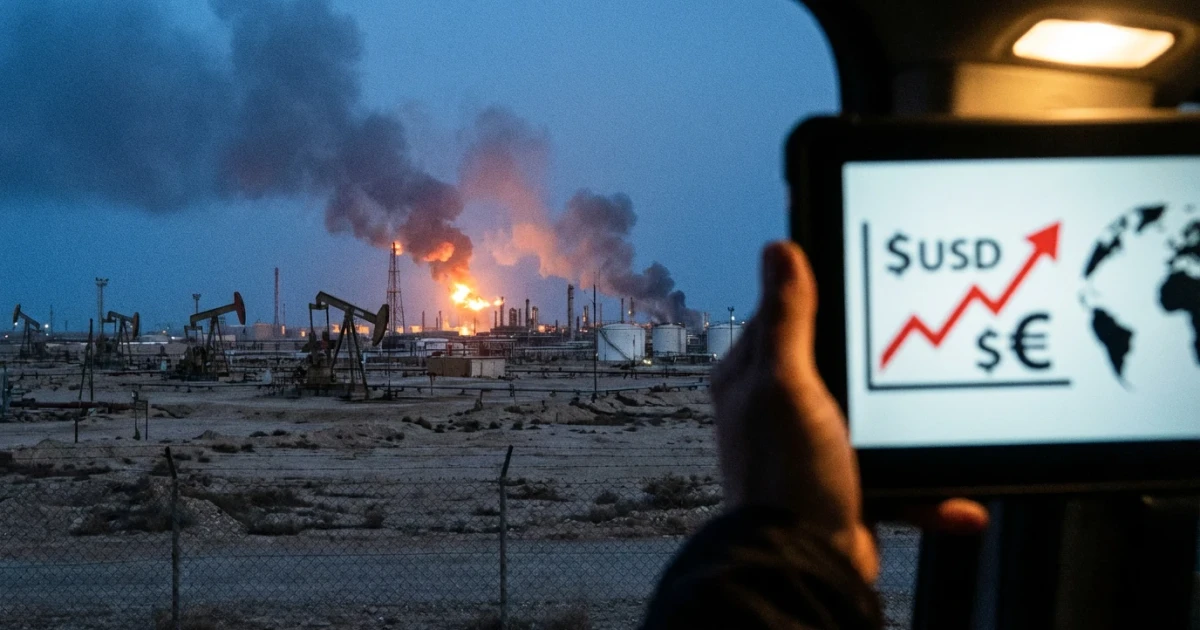
Global energy markets experienced significant turmoil after an Israeli strike targeted Iran’s critical South Pars gas field, escalating regional conflict and driving energy prices sharply higher. The attack, which intensified ongoing hostilities between Israel and Iran, has raised fresh concerns about the security of vital Middle Eastern energy infrastructure and the stability of global supplies.
South Pars Gas Field: Strategic Importance
The South Pars gas field is one of the world’s largest natural gas reserves, located in the Persian Gulf and jointly shared by Iran and Qatar. The facility is central to Iran’s energy production and exports, supplying both domestic consumption and a significant share of regional gas demand. Disruptions to South Pars have immediate global ramifications due to its role in the international gas market.
Impact on Global Energy Prices
Following reports of the Israeli strike, energy markets responded with a surge in prices. According to Reuters Energy Markets Data, oil and natural gas futures climbed as traders reacted to potential supply interruptions and the prospect of broader Middle Eastern instability. This spike reflects the market’s sensitivity to threats against infrastructure in the region, which supplies a substantial portion of the world’s energy needs.
- Crude oil futures rose amid fears of export disruptions from Iran.
- Natural gas prices spiked on concerns about supply chain security and increased geopolitical risk premiums.
These developments follow a pattern seen during previous regional conflicts, where attacks on energy infrastructure have led to volatility and higher costs for consumers worldwide. For real-time and historical price data, readers can consult Investing.com’s energy futures prices.
Escalation of Regional Conflict
The strike represents a significant escalation in the ongoing hostilities between Israel and Iran, both of whom have exchanged threats and engaged in covert operations in recent years. The targeting of critical energy infrastructure marks a new phase in the conflict, with direct consequences for international markets and regional security. CBS News reported that the attack has prompted concerns among global leaders about the potential for further strikes on other strategic facilities in the Middle East.
Broader Implications for Energy Security
The incident underscores the fragility of global energy supply chains in the face of geopolitical tensions. The Middle East remains a key hub for oil and gas exports, and any disruption can have swift and far-reaching effects on pricing and availability. Analysts point to the interconnectedness of energy markets and the challenge of finding alternative sources in the event of prolonged outages or further escalation.
- The International Gas Union’s 2023 Global Gas Report highlights the region’s outsized influence on global gas flows.
- Data from the U.S. Energy Information Administration confirms Iran’s position as a leading natural gas producer and exporter.
Market and Policy Responses
Governments and energy organizations are closely monitoring the situation for signs of further escalation and potential impacts on supply routes. The Organization of the Petroleum Exporting Countries (OPEC) may consider adjusting output targets or coordinating with non-OPEC producers if disruptions persist. Meanwhile, energy-importing countries will likely seek to diversify their sources or tap strategic reserves to buffer against price shocks.
Forward Outlook
As tensions remain high, the outlook for energy prices and market stability hinges on the conflict’s trajectory and the ability of regional actors to protect key infrastructure. Prolonged disruptions at South Pars or similar facilities could sustain elevated prices and amplify volatility in the months ahead. Policymakers and market participants will be watching closely for developments that may signal either de-escalation or further risk to the global energy system.