World
Israeli Strikes Hit Central Tehran Amid Rising Tensions
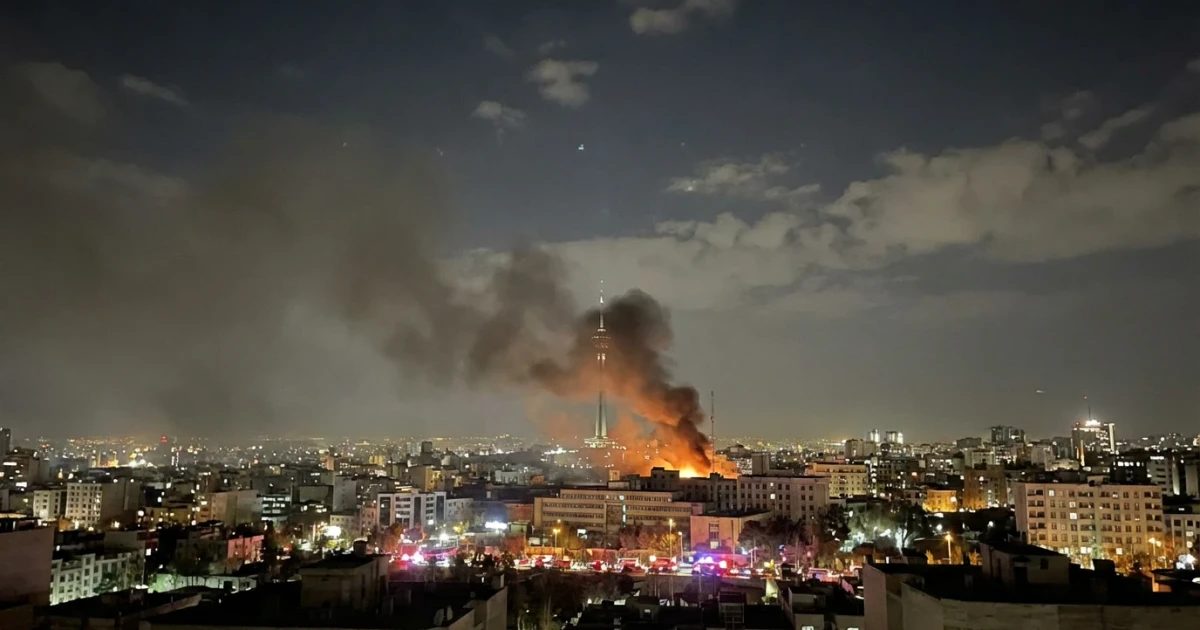
Israel has launched airstrikes on central Tehran, intensifying a dangerous standoff between the two regional rivals as international focus remains fixed on the highly strategic Strait of Hormuz. The assault comes just as former President Trump, currently acting as a key diplomatic figure, announced a delay in the previously set deadline for action regarding the vital oil transit waterway.
Airstrikes Target Tehran’s Core
According to reporting from The Boston Globe, the Israeli military conducted targeted strikes on what it called the 'heart of Tehran.' While initial casualty figures remain unconfirmed, the move marks a significant escalation in the ongoing conflict between Israel and Iran. The precise targets and extent of the damage are still being assessed, with analysts suggesting the strikes may have focused on military or strategic infrastructure within the Iranian capital.
Strait of Hormuz Deadline Delayed
In a parallel development, former President Trump announced a postponement of the much-anticipated deadline concerning the Strait of Hormuz, a strategic chokepoint through which approximately one-fifth of the world’s oil supply passes. The delay comes amid heightened international concern that military escalation could threaten global energy flows and further destabilize the region.
- The U.S. Energy Information Administration notes that the Strait of Hormuz is a lifeline for global oil shipments, making any threat to its security a matter of worldwide economic significance.
- Analysts from the International Crisis Group warn that even limited military action in or near the strait could disrupt oil markets, causing volatility and potential price spikes.
Israel Issues Warning of Further Escalation
Bloomberg reports that Israeli officials have explicitly warned Iran that further attacks may be imminent if current tensions continue. The warning comes in the wake of months of tit-for-tat actions, including previous drone strikes, cyberattacks, and threats exchanged between the two countries. The Israeli government’s statement emphasized its resolve to deter Iranian aggression, while stopping short of detailing any specific red lines or future targets.
International Response and Potential Consequences
The sudden escalation has drawn swift reactions from global powers and international organizations. The United Nations Security Council has previously imposed sanctions on Iran in response to its military and nuclear activities. Observers warn that a broader conflict could draw in regional and international actors, given the scale of military assets and alliances in play.
For context, Iran’s nuclear ambitions have long been a source of regional instability. Timelines compiled by Iran Watch show that both military and diplomatic efforts have failed to fully resolve the issue, despite periodic negotiations and international oversight through the Treaty on the Non-Proliferation of Nuclear Weapons (NPT).
Key Regional Risks:
- Disruption to oil flows through the Strait of Hormuz, with potential for global economic impact
- Escalation into broader military conflict involving regional and international powers
- Uncertainty around future diplomatic negotiations on Iran’s nuclear program and military posture
Looking Ahead
The coming days will be critical as the international community watches for further Israeli action or Iranian retaliation. Diplomatic efforts are likely to intensify behind the scenes in hopes of preventing a wider conflict that could imperil both regional stability and the global economy.
For ongoing updates and comprehensive background on the military balance, readers can consult the SIPRI Arms Transfers Database for detailed records of military assets and arms flows in the region.