World
Israeli strikes in Lebanon kill 22, jeopardize US-Iran talks
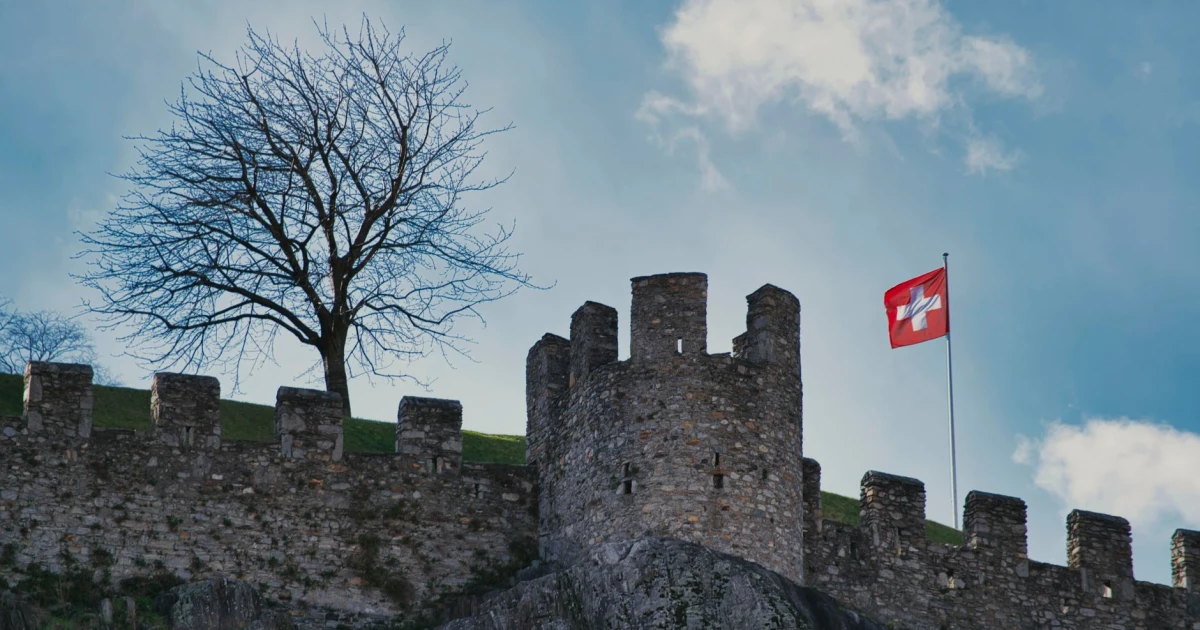
Israeli strikes in Lebanon have become more than a local clash. They are now pressing directly on a fragile U.S.-Iran diplomatic track, with fresh casualties in Lebanon landing just as Steve Witkoff and Abbas Araqchi headed to Switzerland for talks.
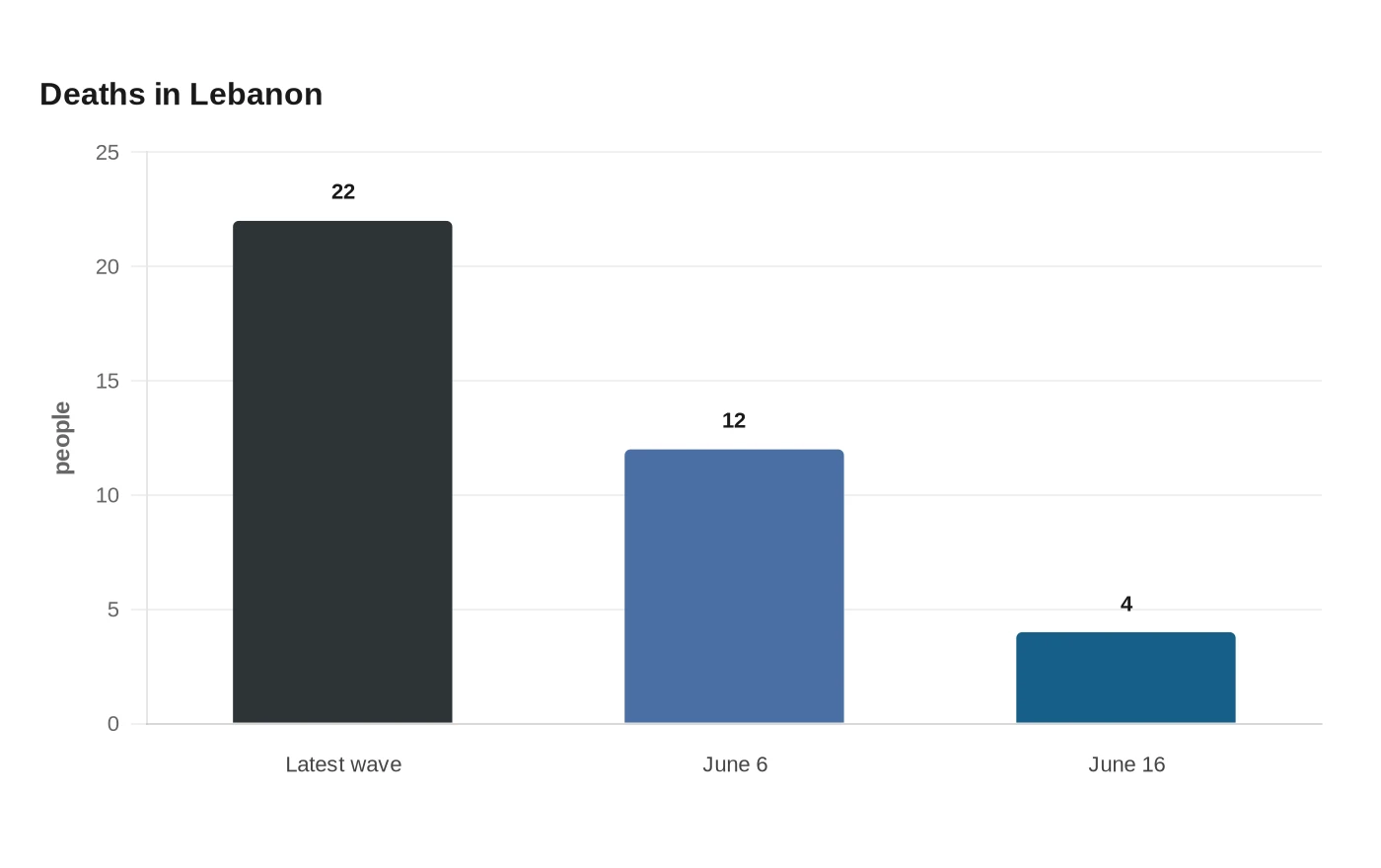
The latest wave of strikes killed 22 people in Lebanon, and a broader update put the toll at at least 32. That violence came after earlier attacks had already cut into hopes for de-escalation, including a June 6 strike that killed at least 12 people, among them high-ranking Lebanese army officers, and another on June 16 that killed at least four people in southern Lebanon. Each new death has made the political case for compromise harder to defend.
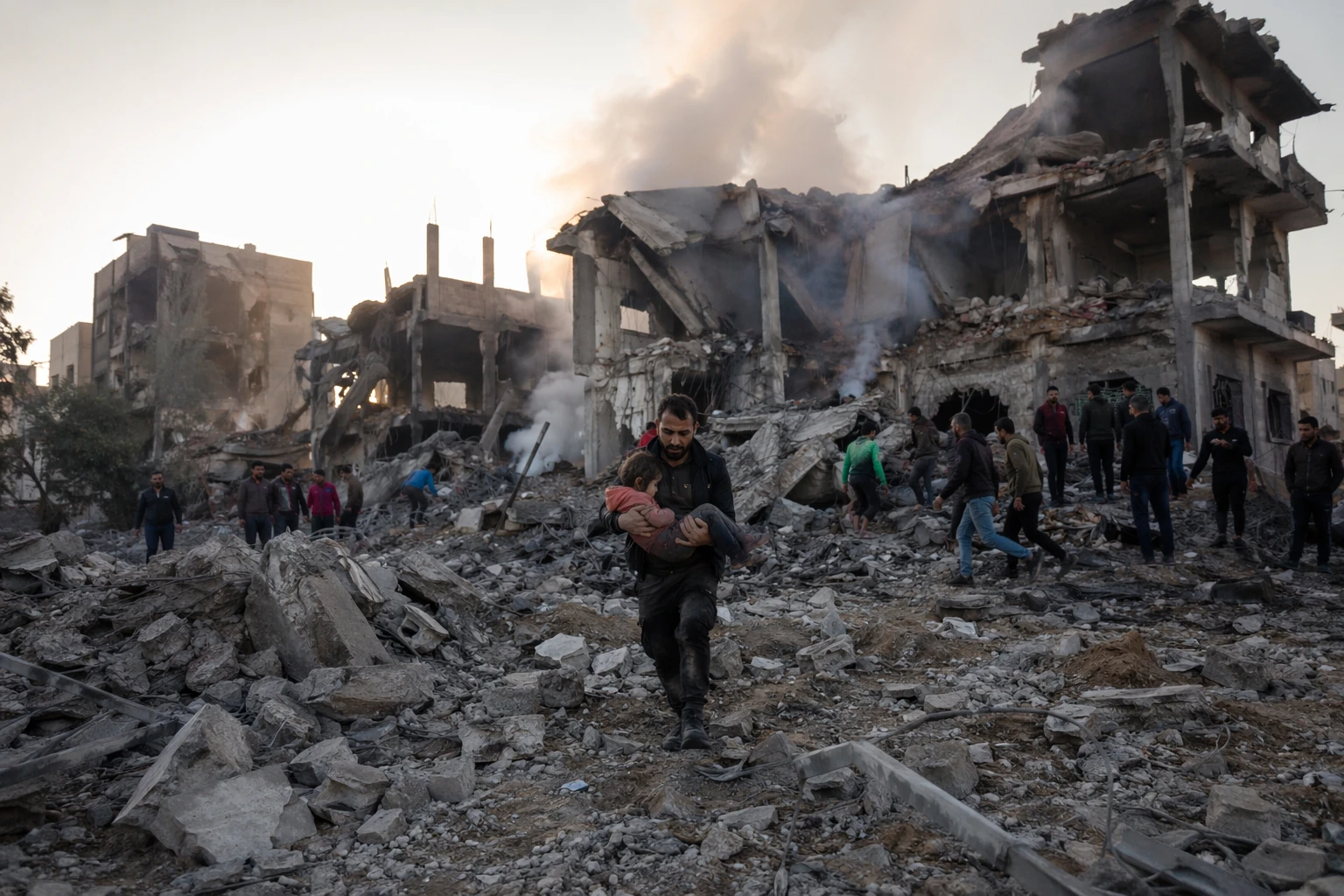
The diplomatic timing is especially damaging. Al Jazeera reported that a technical round of U.S.-Iran talks had been delayed, and a separate update said the talks were set to begin on Friday before the renewed violence in Lebanon threw them into doubt. Iran’s deputy foreign minister said Tehran was “ready to move forward” but insisted the U.S. had to ensure Israel followed the agreement. Iran’s foreign minister went further, saying the ceasefire had to hold “on all fronts,” including Lebanon, and that violations in one place broke the ceasefire everywhere.
The battlefield pressure is colliding with a toll that keeps climbing. The United Nations said on June 4 that at least 3,526 people had been killed and 10,733 injured in Lebanon since hostilities began on March 2, with more than 135,300 people registered in collective shelters. UN peacekeepers in southern Lebanon have also reported large-scale destruction along the Blue Line and continuing military activity, evidence that the fighting remains active even when diplomacy says it should be slowing.
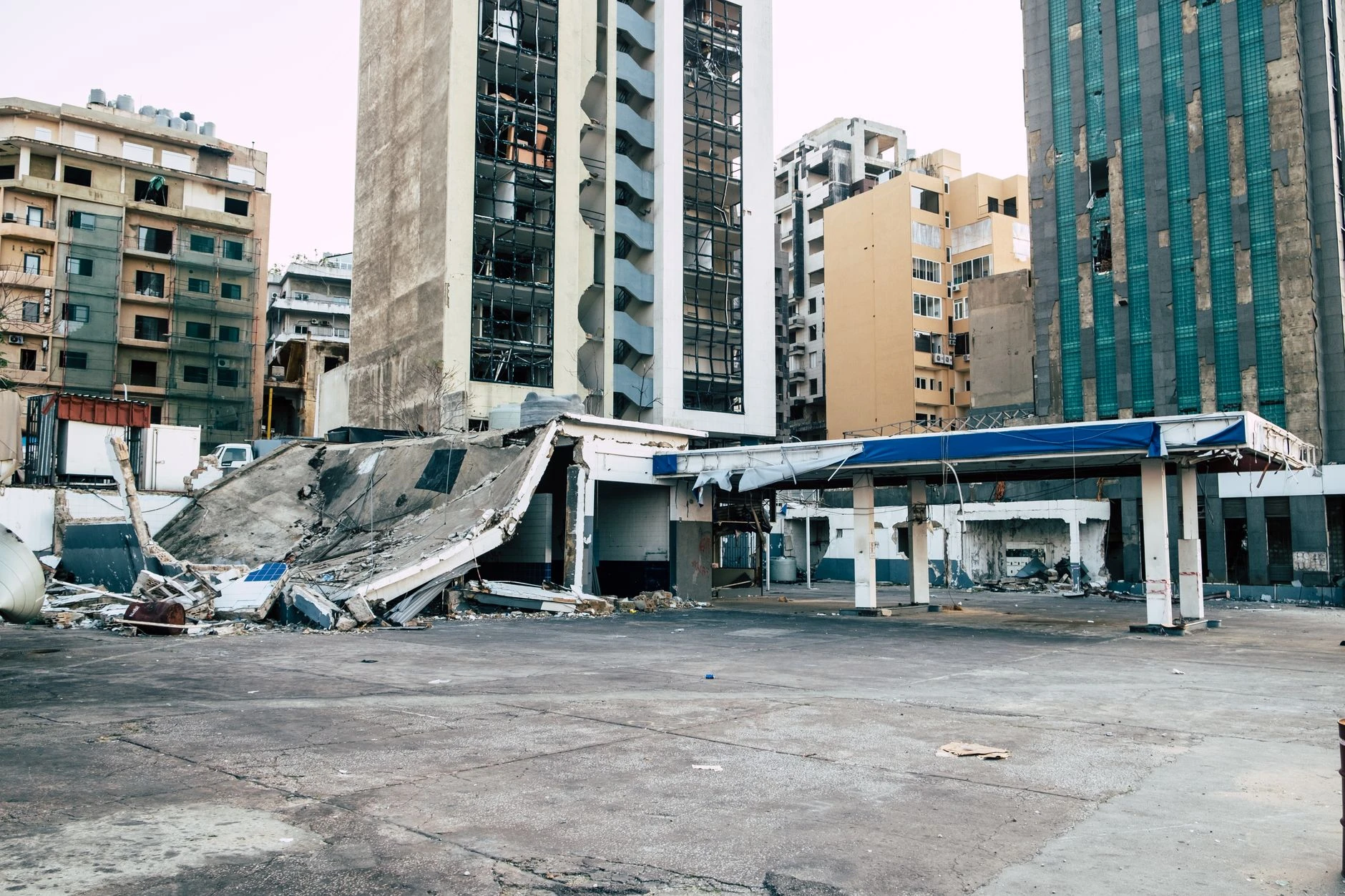
That fragility was on display again when Israel and Hezbollah agreed to a ceasefire on Friday, June 19, only for strikes and fighting to continue soon afterward. Israeli officials said they were responding to projectiles fired by Hezbollah, but the effect was the same: every round of fire shrank the room for negotiators, hardened Lebanon’s humanitarian crisis, and raised the risk that U.S.-Iran talks could unravel before they produce any durable settlement.
For Washington and Tehran, the lesson is stark. As long as the Lebanon front keeps exploding, diplomacy will remain hostage to the next strike, the next funeral, and the next break in the ceasefire chain.
Sources
- [1]news.google.com
- [2]aljazeera.com
- [3]reuters.com
- [4]unocha.org
- [5]news.un.org