World
Israel’s Lebanon ceasefire reluctance complicates U.S.-Iran diplomacy
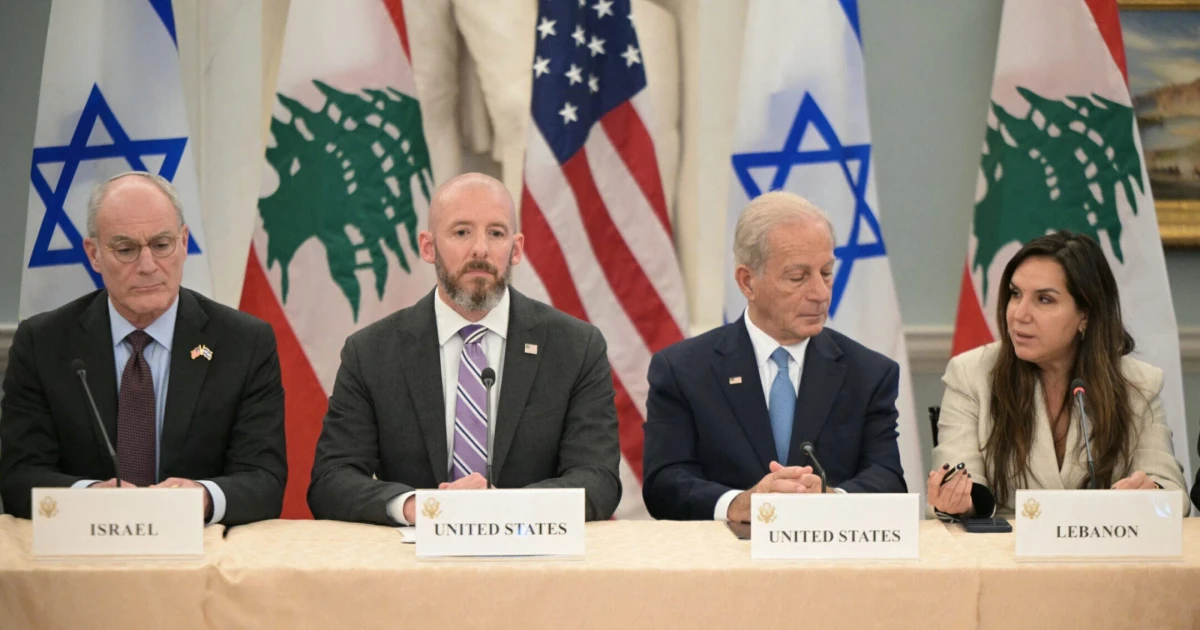
Israel’s hesitation over a Lebanon ceasefire has become more than a border dispute, with Washington now treating it as a gatekeeper for a broader regional understanding involving Iran and its proxies. The U.S. Department of State said the fourth high-level trilateral meeting between Israeli and Lebanese representatives was held June 2 and 3, 2026, and the statement that followed tied any ceasefire to a complete halt in Hizbollah fire and the evacuation of Hizbollah operatives from the South Litani Sector.
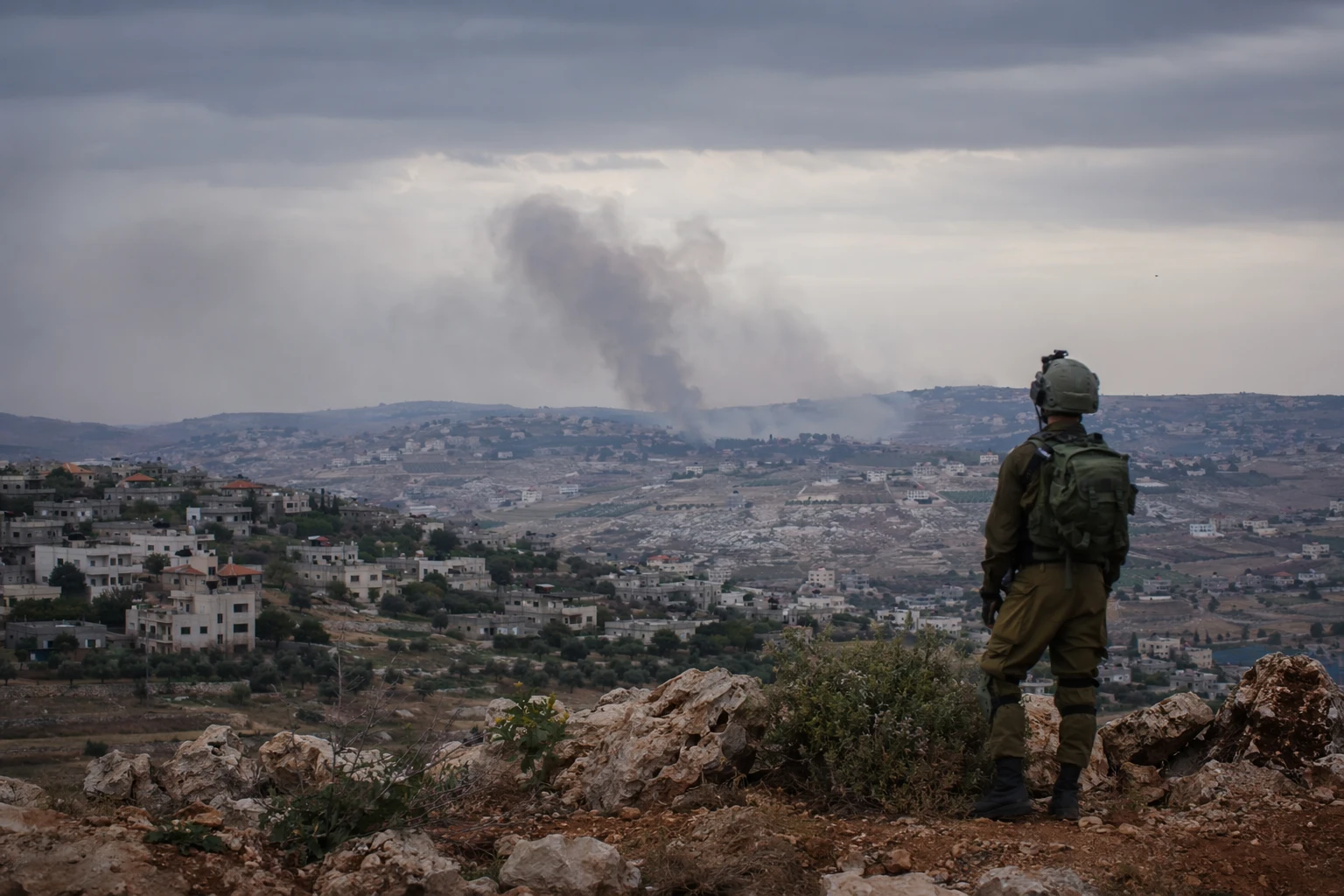
That same trilateral statement laid out the next phase in unusually concrete terms. Israel and Lebanon agreed to advance pilot zones where the Lebanese Armed Forces would take exclusive control, and the sides committed to direct negotiations toward a comprehensive agreement on security and peace. But Hezbollah rejected the terms outright, demanding a fuller truce and an Israeli withdrawal, while Israel has signaled it will not pull troops back unless its conditions are met. That deadlock makes the Lebanon file a potential spoiler for any larger U.S. effort to stabilize the region.
The stakes extend well beyond a narrow frontier. The United States has been trying to fold the Lebanon track into a wider Middle East settlement even as tensions continue over Iran’s role and the network of proxy forces aligned with it. If the ceasefire arrangement collapses, it would undercut a diplomatic channel that Washington is using to try to lower regional risk, limit the chance of renewed cross-border fire, and reduce the volatility that can ripple through energy markets and broader U.S. foreign policy.
That pressure lands as leaders gather in Evian-les-Bains, France, for the Group of Seven summit, where Ukraine and the Middle East dominate the agenda. Ukrainian President Volodymyr Zelenskyy was invited by France, and President Donald Trump said his administration’s agreement to end the 3½-month-old U.S.-Iran war had shifted attention to Ukraine. French President Emmanuel Macron is trying to keep Trump focused on support for Ukraine and pressure on Russia, while the summit also includes a Middle East session expected to bring in leaders from Egypt, Qatar and the United Arab Emirates.
The timing has sharpened the diplomatic contrast. Russia launched a major drone-and-missile attack on Ukraine just before the summit opened, killing 11 people, even as Washington faces a separate test in Lebanon where neither Hizbollah nor Israel has shown readiness to bend. What happens on that front may determine whether the broader U.S. push with Iran gains traction or stalls at the border.
Sources
- [1]npr.org
- [2]state.gov
- [3]wusf.org
- [4]apnews.com
- [5]cbc.ca