World
ISS Crew Safe After Air Leak Prompts Rapid Response
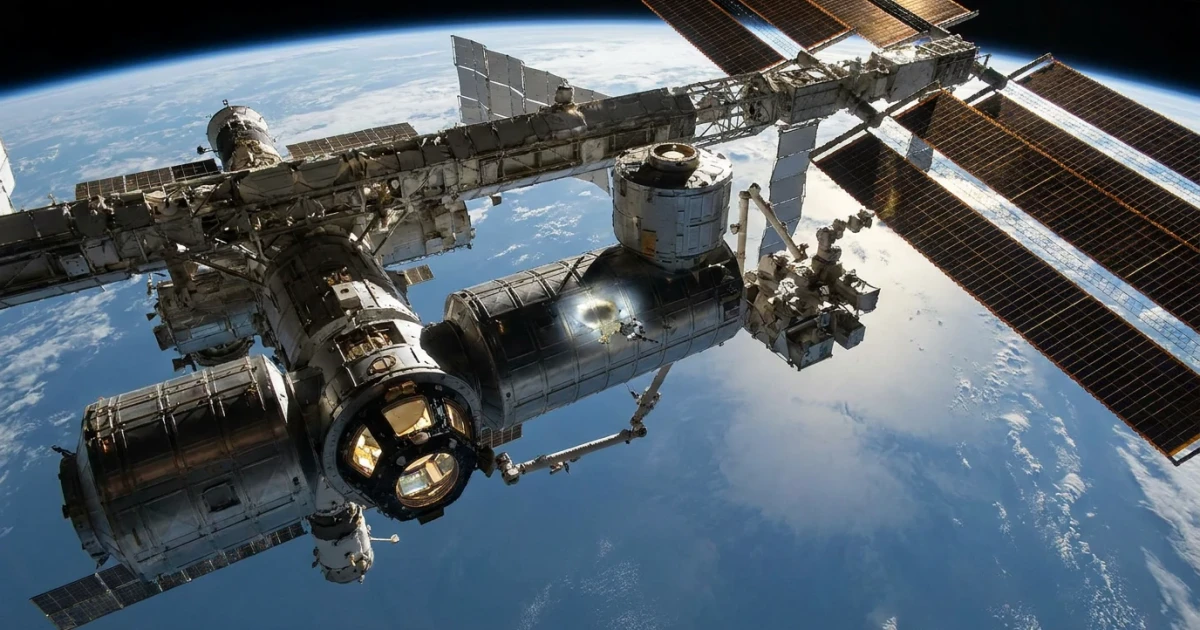
The International Space Station (ISS) experienced an air leak on June 5, 2026, prompting a swift evacuation alert for its crew members before NASA reversed the order as the situation was brought under control. Multiple news organizations, including The Telegraph and CBC, reported on the incident, which highlights both the risks and the robust protocols involved in managing emergencies aboard the ISS.
Timeline of the Incident
- Evacuation order issued: According to The Telegraph, the ISS crew received an evacuation alert following the detection of an air leak, a rare but serious event in space operations.
- NASA response: CBC reported that NASA quickly assessed the situation and reversed the evacuation order, confirming that the astronauts were no longer in immediate danger and could remain aboard the station.
- Global coverage: Social media platforms, such as Facebook, amplified the news, underscoring worldwide interest and concern over the safety of NASA’s International Space Station crew.
Understanding Air Leaks on the ISS
The ISS is equipped with sophisticated environmental control and life support systems designed to detect and respond to pressure anomalies such as air leaks. While minor leaks have occurred previously, they are rare and typically managed within established safety protocols. NASA maintains detailed records and analyses of air leak incidents to improve response strategies and minimize risk.
Safety Protocols and Emergency Response
When a leak is detected, the ISS crew follows stringent procedures, including isolating affected modules and preparing for potential evacuation. The ISS Safety and Risk Management guidelines outline these steps, ensuring rapid assessment and decision-making by NASA's ground controllers. The quick reversal of the evacuation alert, as reported by CBC, demonstrates the effectiveness of these protocols.
Impact on Crew and Station Operations
- Crew safety: The Telegraph confirmed that astronauts were safe throughout the incident, thanks to real-time monitoring and coordinated action between the ISS crew and mission control.
- Operational disruption: While air leaks can temporarily disrupt regular operations, the ISS’s robust design and emergency procedures minimize long-term impact. NASA’s reversal of the evacuation order allowed scientific activities to resume quickly.
Historical Context and Analysis
Air leaks, though uncommon, have occurred in previous ISS missions. NASA’s official facts and figures on the ISS show that the station has hosted over 200 crew members since its inception, with stringent safety systems in place to protect lives and integrity of the station. Lessons learned from past incidents inform ongoing improvements to leak detection and repair processes.
Expert analysis from NASA and the European Space Agency underscores the importance of continuous upgrades to station modules and airlock systems, reinforcing the ISS’s resilience against environmental hazards.
Looking Forward
The June 5 incident serves as a reminder of both the challenges and the strengths of operating a space station in low Earth orbit. With every emergency, NASA and its international partners refine their protocols, ensuring that the crew remains safe and research aboard the ISS continues uninterrupted. Readers can explore ongoing ISS experiments and mission logs for further insight into station operations and safety management.
While the air leak prompted global headlines and momentary concern, the rapid assessment and response highlight the professionalism of NASA and its partners in safeguarding humanity’s outpost in space.