Science
ISS Crew Takes Precaution Amid Air Leak Incident
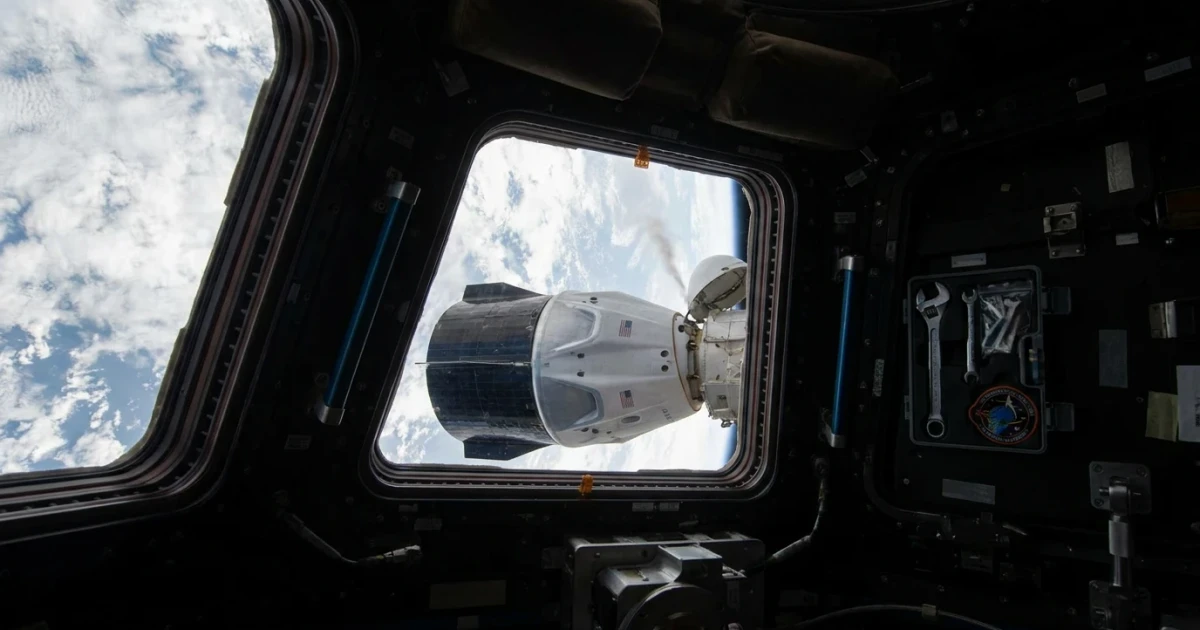
Astronauts aboard the International Space Station (ISS) were instructed to take shelter in the SpaceX Dragon capsule this week as Roscosmos cosmonauts initiated efforts to repair a detected air leak, highlighting the station’s robust safety procedures and international cooperation.
Incident Prompts Swift Action
The crew onboard the ISS was directed by NASA to board the docked SpaceX Dragon spacecraft after monitoring systems identified an air leak within one of the station’s modules. According to official NASA reports, such measures are standard protocol to ensure crew safety while ground and onboard teams work to identify and address any atmospheric anomalies.
- The SpaceX Dragon capsule is routinely used as a lifeboat during emergencies, providing a safe haven with independent life support and the capability to return astronauts to Earth if necessary. (NASA: Dragon Capsule Overview)
- Environmental monitoring systems aboard the ISS provide real-time data on pressure, oxygen, and trace gases, allowing rapid detection of leaks or other hazards. (NASA: ISS Environmental Monitoring)
Cosmonauts Lead Leak Repair
As the multinational crew sheltered in place, Russian cosmonauts began work to locate and fix the leak. Past incidents have shown the importance of quick response and specialized training, with cosmonauts and astronauts regularly conducting drills for such scenarios. According to NASA’s official air leak incident reports, these repairs typically involve isolating affected modules, using ultrasonic detectors, and applying sealant or patch materials as needed.
While the precise location and cause of the leak were not immediately disclosed, the crew remained safe throughout the event. NASA emphasized that there was no immediate threat to life or station integrity, and protocols were followed as designed.
Safety Protocols and Monitoring
The ISS atmospheric resource data system continuously monitors the station’s environment, recording pressure, oxygen, carbon dioxide, and trace gases. Any deviation triggers alarms, prompting the crew to move to safe zones—such as the Dragon capsule—until the situation is assessed and resolved. These systems have been refined over decades of spaceflight, with each incident contributing to improved safety measures.
- Historical data shows that minor air leaks have occurred before, often resulting from micrometeoroid impacts or hardware fatigue.
- Standard procedures include sealing off affected areas and systematically checking each module for pressure loss, as outlined in recent research on atmospheric monitoring and leak detection.
International Cooperation in Space
This event underscores how partnership between NASA, Roscosmos, ESA, and other international agencies ensures the ongoing safety of the ISS crew. Each partner provides technical expertise, hardware support, and operational coordination in emergencies, with regular cross-training between astronauts and cosmonauts.
Looking Ahead
As the ISS continues to serve as a hub for scientific research and international collaboration, robust safety practices and advanced technology remain the foundation of crew well-being. The recent air leak incident serves as a reminder of the ever-present challenges of living in space—and the professionalism and preparedness of those who call the station home.