World
ISS Crew Takes Shelter Amid Air Leak Repairs
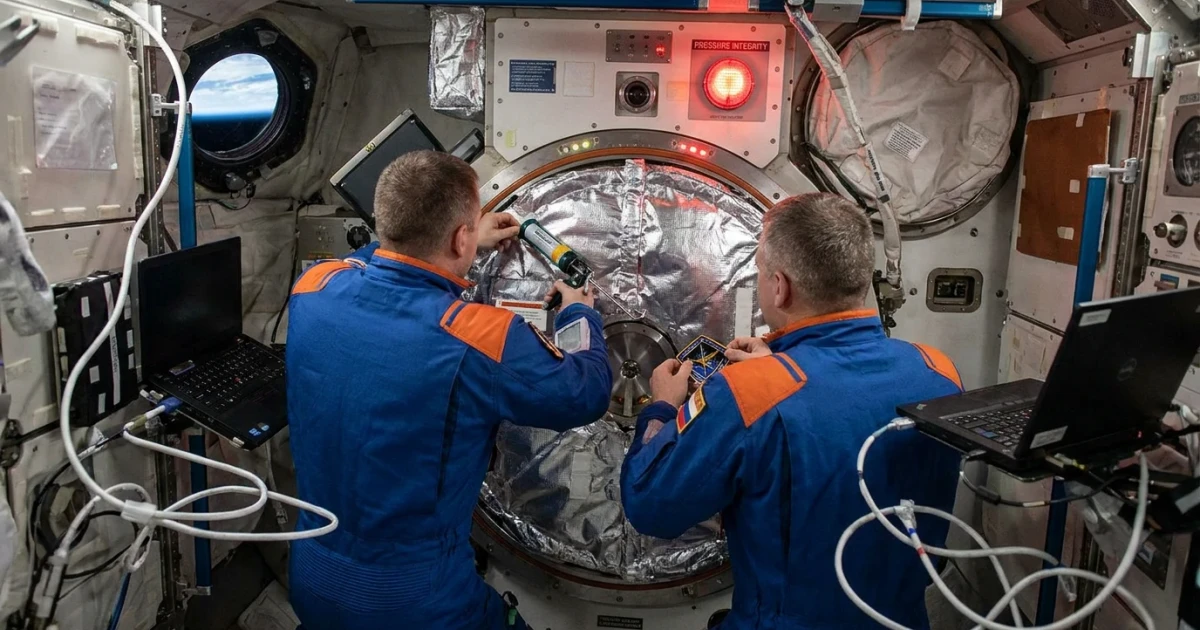
Astronauts aboard the International Space Station (ISS) were required to briefly take shelter this week as worsening air leaks triggered urgent repair operations, according to multiple news reports and official sources. The incident underscores the challenges of maintaining the aging orbital laboratory and the rigorous safety measures in place for crew protection.
Air Leaks Prompt Emergency Protocols
Both Audacy and the South China Morning Post confirmed that ISS crew members activated emergency shelter procedures after detecting a significant increase in air leaks within the station's pressurized modules. The decision to move astronauts to a secure area was a precautionary step, designed to minimize exposure and allow ground teams to assess the situation.
- Audacy reported that astronauts "briefly take shelter during repair to fix leak," indicating the crew followed established safety routines.
- South China Morning Post highlighted that "air leaks worsen," suggesting the issue had escalated beyond previous levels.
The ISS is equipped with multiple pressurized compartments and redundant life support systems. When air leaks are detected, crew members are directed to safer modules while technicians use sensor data to pinpoint the source. According to NASA's official leak history, such incidents, though rare, have been documented and managed successfully, often with minimal impact on station operations.
Repair Operations and Crew Safety
Once the shelter protocol was activated, technical teams on both the station and ground control worked swiftly to isolate and repair the affected area. Past incidents have involved patching small cracks or reinforcing seals on pressurized modules. According to NASA's module specifications, repairs typically focus on the Russian segment or areas where mechanical stress is highest.
While neither Audacy nor South China Morning Post provided detailed repair timelines or the precise location of the leak, both emphasized that the crew's safety was never compromised. Astronauts remained in communication with mission control throughout the operation, adhering to protocols refined over decades of station management. According to NASA's official incident summaries, shelter events are designed to keep crew members safe while minimizing disruption to ongoing experiments and station life.
Context: Station Age and Leak Mitigation
The ISS, launched in 1998 and continuously crewed since 2000, has experienced several minor air leaks in its history. The station's environmental control and life support systems are engineered to detect and respond to pressure drops, with procedures in place for both immediate and long-term mitigation. According to the ISS Facts and Figures, the station has hosted over 250 astronauts and conducted thousands of scientific experiments, many of which rely on stable atmospheric conditions.
- Leaks are most commonly caused by micrometeoroid impacts, material fatigue, or seal degradation.
- Repairs may involve patching, replacing seals, or in rare cases, sealing off entire modules.
Recent years have seen an increase in minor leak reports, attributed in part to the station's age and extended mission duration. The NASA technical report on life support systems details ongoing efforts to monitor and enhance air integrity, including advanced sensors and improved patching techniques.
International Collaboration and Response
The ISS is operated by a partnership of space agencies, including NASA, Roscosmos, ESA, JAXA, and CSA. Each agency contributes to station maintenance, emergency response, and crew rotation. In previous leak incidents, Russian cosmonauts have often led repairs, reflecting the location of critical modules. International collaboration ensures rapid information sharing and resource mobilization in emergency scenarios.
Looking Forward
This week's shelter event highlights the resilience of both the ISS and its crew, demonstrating the effectiveness of established safety protocols. As the station continues to age, ongoing maintenance and upgrades will be crucial for ensuring operational stability. With more than two decades of continuous habitation, the ISS remains a testament to international cooperation and the challenges of living in space.
Future missions and station upgrades, including possible commercial modules and expanded sensor networks, are expected to further enhance leak detection and repair capabilities. For now, the latest incident will serve as a reminder of the importance of vigilance and preparedness in space exploration.