Science
ISS Faces Extended Skeleton Crew as Crew-12 Launch Delayed
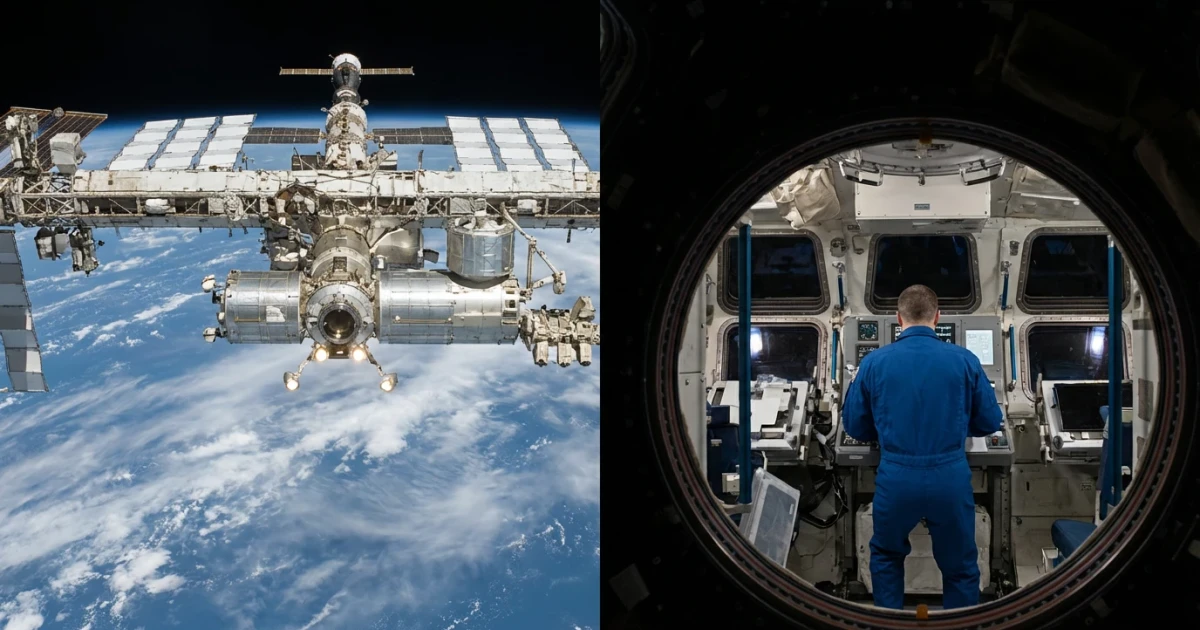
International Space Station (ISS) operations are set to face additional challenges after the planned launch of SpaceX’s Crew-12 astronaut mission was postponed to February 12. The delay extends the period during which the orbiting laboratory will be staffed by a skeleton crew, raising questions about operational continuity, scientific output, and crew safety.
Understanding Skeleton Crew Operations
The ISS typically hosts a crew of seven astronauts from various international partners. However, mission schedule changes, such as the Crew-12 delay, can temporarily reduce the number of personnel aboard. According to NASA’s protocols, a minimum crew of three is required to maintain essential operations and ensure safety, but this skeleton crew is less able to support the station’s full range of scientific and maintenance activities.
- SpaceX’s Crew-12 mission was expected to replenish the ISS crew, but has now been delayed until February 12.
- During this period, the ISS will continue with a reduced number of astronauts, focusing on mission-critical functions.
Operational Impact of Crew-12 Delay
With fewer hands on deck, the ISS shifts its priorities. According to crew rotation statistics, periods with skeleton crews result in a scaled-back research agenda. Routine scientific experiments may be paused or slowed, and maintenance tasks are prioritized based on urgency and safety rather than research or outreach goals.
This is not the first time the ISS has operated with a reduced crew. Historical records from past expeditions show that such periods, while not ideal, are manageable due to robust contingency planning and remote support from ground teams. Essential systems—air, water, power, and communications—are closely monitored, and crew schedules are adjusted to balance workload and rest.
Why Crew-12 Was Delayed
Mission delays can stem from a range of technical, logistical, or weather-related factors. While the specific cause of the Crew-12 postponement was not detailed in the source, NASA and SpaceX typically cite the need to ensure crew safety and mission readiness as the top priorities. The delay underscores the complex coordination required to launch astronauts safely to the ISS, involving international agencies, hardware checks, and favorable launch conditions.
What This Means for ISS Science and Crew
During skeleton crew operations, research activities are limited to those that are time-sensitive or critical for ongoing missions. According to recent research on ISS scheduling constraints, prolonged periods with fewer astronauts can lead to a backlog of experiments and maintenance tasks. However, long-term impacts are generally mitigated by careful planning and the flexibility of the station’s international crew rotation system.
- The next full crew complement is now expected to arrive after February 12, pending a successful Crew-12 launch.
- Ground teams are prepared to support the reduced crew to ensure mission safety and continuity.
Looking Ahead
The Crew-12 delay highlights both the resilience and the vulnerabilities inherent in ISS operations. While skeleton crew periods are not uncommon, they emphasize the importance of careful scheduling, robust contingency planning, and international cooperation. For now, ISS operations will continue with reduced personnel, with a focus on maintaining core functions and preparing for the next crew arrival. Readers can monitor the current mission status for updates as the new launch date approaches.