World
Istanbul's tango scene thrives as a global hub outside South America
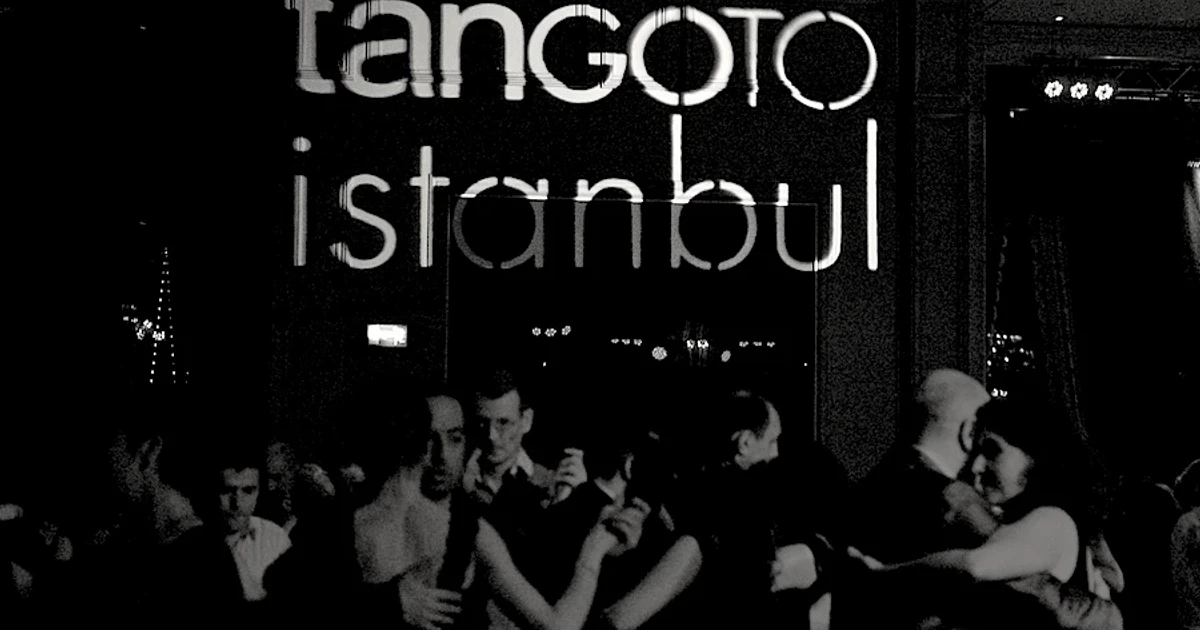
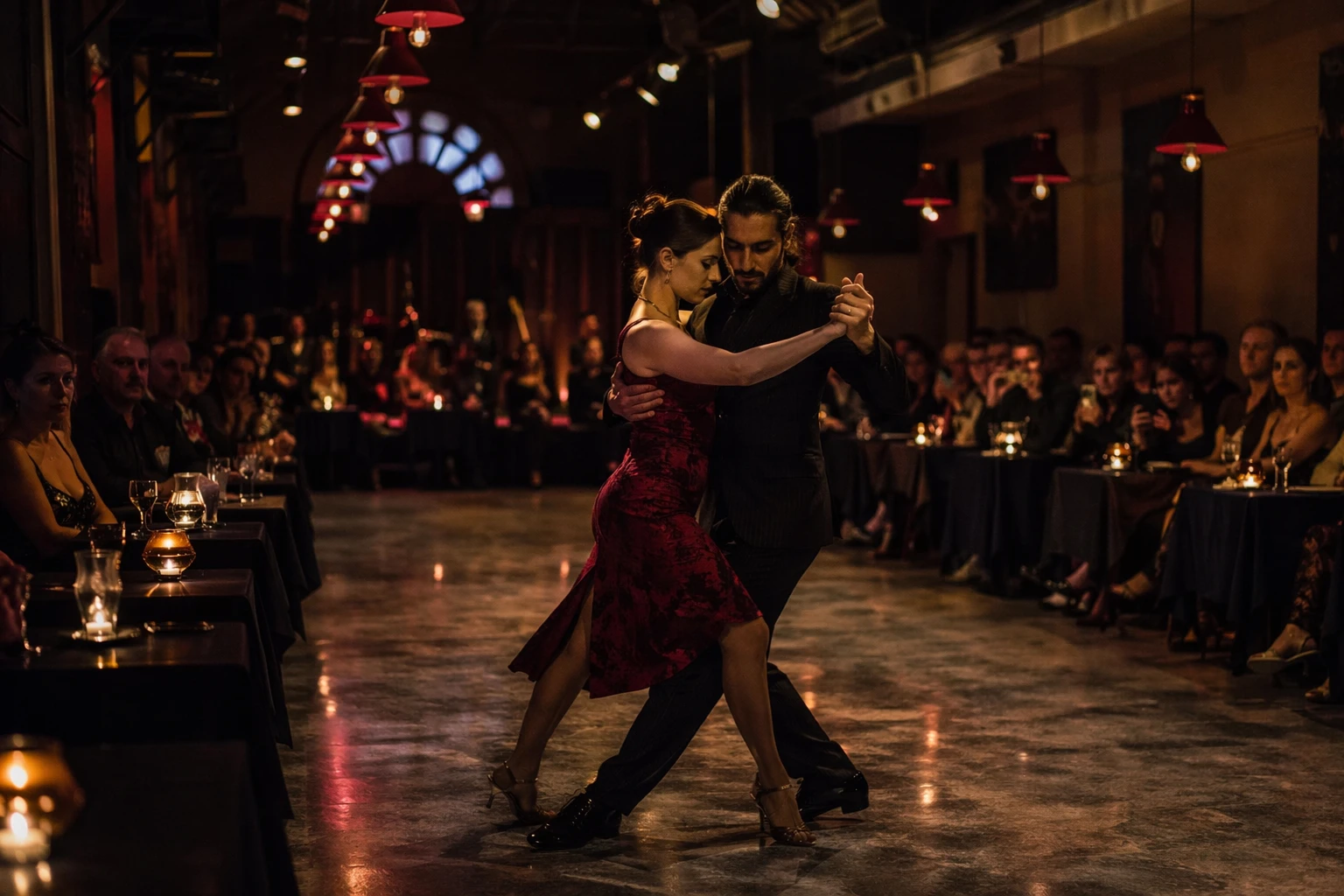
Night after night, Istanbul’s tango floors fill on both sides of the Bosphorus, drawing Turkish locals, foreign residents, visiting teachers and travelers into the same rhythm. What began as a dance imported from the River Plate has become part of the city’s cultural texture, supported by a dense network of schools, clubs and milongas that now place Istanbul among the most active tango centers outside South America.
A city that dances across two continents
The scale of the scene matters because it is spread across a city that already lives in layers. Milongas run nightly on both the European and Asian sides, which gives tango in Istanbul a reach that is physical as well as cultural. That constant circulation keeps dance floors full and makes the community feel less like a niche scene than a working part of urban life.
The mix of people on those floors is equally important. Turkish dancers move alongside foreign residents, international instructors and short-term visitors, so the city’s tango culture is not closed or self-referential. It is open enough to absorb newcomers, but established enough to give them a clear structure, with schools and studios that train dancers, clubs that host regular gatherings and a rhythm of social dancing that never seems to stop.
Why tango fits Istanbul’s cultural mood
Tango’s roots lie far from Turkey. The dance emerged in the late 19th and early 20th centuries in the Río de la Plata region around Buenos Aires and Montevideo, among immigrant port neighborhoods that gave it its urban intensity and emotional range. Istanbul’s embrace of tango is striking precisely because it takes a dance born from migration, port-city exchange and social improvisation, and reworks it in another vast, maritime metropolis.
That fit is deeper than fashion. Istanbul has long been a city where imported forms are adapted rather than merely copied, and tango has found a place in that tradition. The dance’s mix of precision, restraint and improvisation speaks to a city that balances formality and spontaneity, old districts and fast-changing neighborhoods, local memory and international traffic.
A Turkish history that predates the boom
Modern Istanbul’s tango scene did not appear from nowhere. Tango reached Turkey soon after the republic was formed in 1924, which gave it a foothold at a moment when the country was remaking its public culture. The first Turkish-language tango, Seyyan Hanım’s 1932 recording of Necip Celal’s “Mazi,” shows how quickly the form was translated into a local idiom.
That history helps explain why tango resonates so strongly now. It is not only a foreign import being consumed by a cosmopolitan crowd. It is also part of a longer Turkish musical memory, one that has had nearly a century to settle into the country’s cultural life. Istanbul’s contemporary scene builds on that earlier lineage while pushing it into a new international register.
Who keeps the floors full
The community’s durability comes from its mix of participants. Turkish locals give the scene continuity, while foreign residents and visiting dancers keep it porous and cosmopolitan. International teachers bring technical standards and outside connections, and travelers add the kind of temporary energy that can turn a milonga into a crowded, late-night event.
That combination has made the city a serious destination for dancers who measure a scene by more than novelty. Istanbul’s schools and clubs have won recognition even from Argentine maestros, a sign that the city is no longer treated as a distant outpost of the form. It is being evaluated on the same terms as other major tango centers, with quality of dancing, breadth of instruction and depth of community all part of the equation.

The craft behind the choreography
Tango in Istanbul also extends beyond performance and social dancing into craftsmanship. Ercan Umay, a master shoemaker, handcrafts tango shoes for dancers, giving the scene a material base that most visitors never see. That detail matters because tango is a dance where the body and the shoe have to work together, and a local artisan devoted to the form suggests a market mature enough to support specialized labor.
This is the kind of infrastructure that separates a passing craze from a durable culture. Schools train dancers, clubs host milongas, teachers circulate from abroad and local craftspeople make the equipment that regular dancers need. In Istanbul, tango is not only staged in evening gatherings; it is built into the city’s economy of skills, services and repeated social use.
What Istanbul’s tango scene says about the city
The scene’s growth says as much about Istanbul as it does about tango. A dance born in the immigrant neighborhoods of Buenos Aires and Montevideo now thrives in a city that sits between continents, languages and social worlds. That long-distance reinvention captures something central about modern Istanbul: it absorbs global forms and turns them into local culture without flattening their history.
The result is a tango scene that feels both rooted and mobile. It draws on a Turkish lineage that goes back to 1924 and 1932, yet it looks unmistakably contemporary in its constant mix of locals, expatriates and visitors. That combination, along with nightly milongas, strong schools and a craft economy around the dance, is why Istanbul has become a global tango hub outside South America.
Sources
- [1]nytimes.com
- [2]ap.org
- [3]hurriyetdailynews.com
- [4]en.wikipedia.org