World
Italian family sues Meta and TikTok over teen suicide content
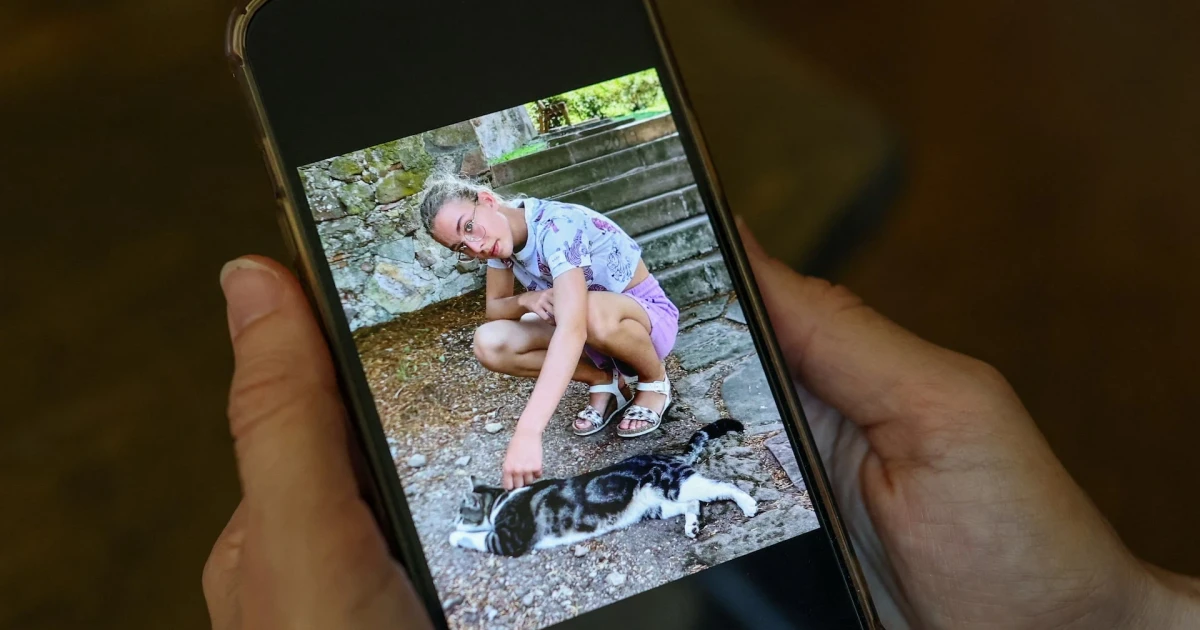
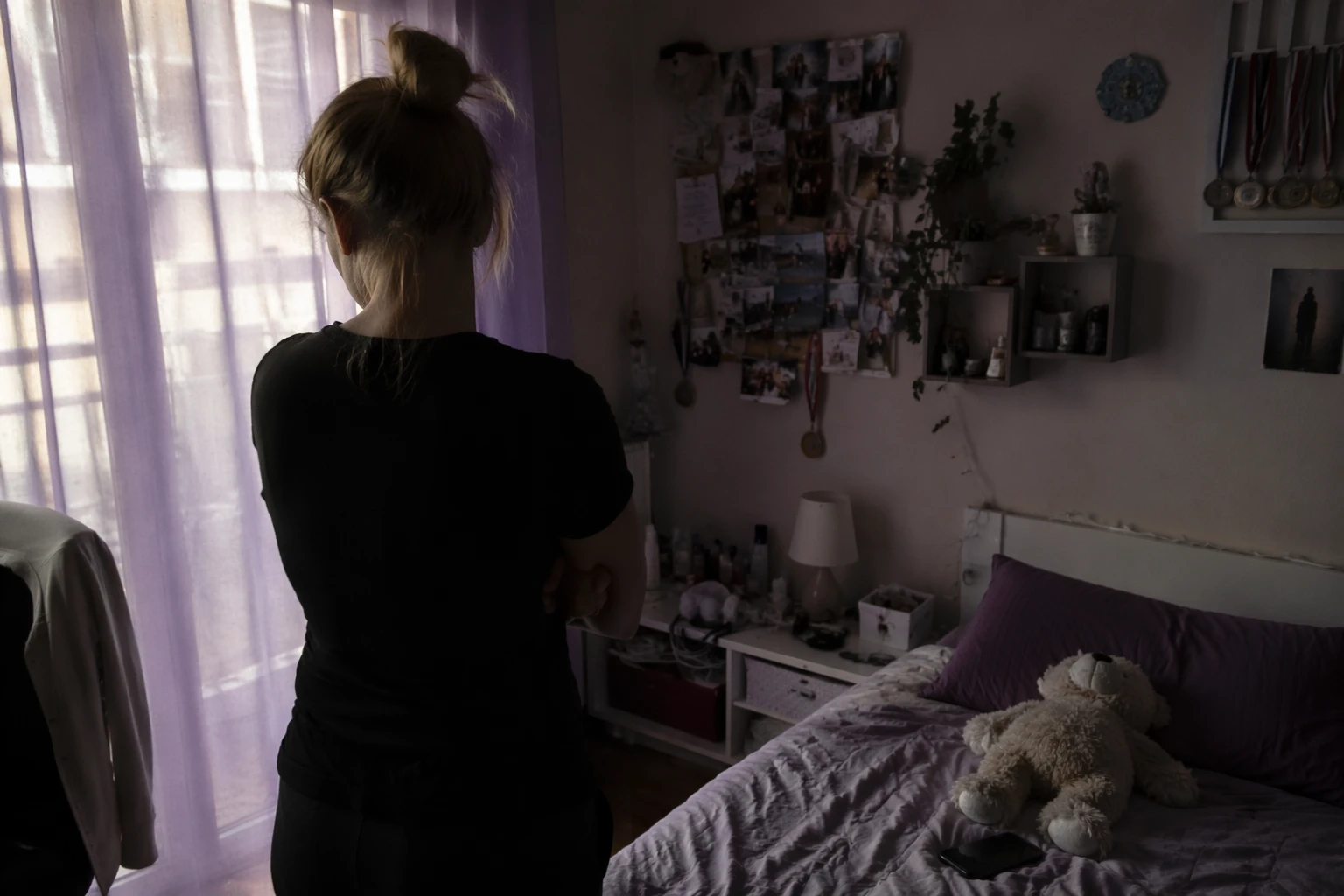
Irene Roggero Ugues says she did not grasp the scale of her daughter’s online life until after Rossella’s death, when the family unlocked the girl’s devices and found a stream of social media activity tied to self-harm and depressive material. Rossella was 12 when she died by suicide in Asti, Italy, and her mother says the platforms kept feeding her more of the same content as her mental state worsened.
The family says Rossella began searching for depressive material in September 2023 and spent her last months on social media. In a Reuters video, Roggero Ugues captured the family’s central claim in one line: "If there had not been the algorithm." The suit puts a personal tragedy at the center of a broader question now facing courts and regulators: whether recommendation systems can intensify vulnerable teenagers’ distress faster than parents can see it.
That question was heard in Milan’s business court on May 14, 2026, in what Reuters described as Italy’s first collective injunctive action directly challenging social-media companies and their algorithms. The case was brought by MOIGE, the Italian Parents’ Movement, and several families against Meta and TikTok, with plaintiffs seeking tighter limits on minors’ access and stronger age verification, especially for users under 14.
The fight reaches beyond one family. Under Italian law, children can legally access social media from age 14. The European Union’s GDPR framework sets 16 as the default age of digital consent, but lets member states lower it to 13, a policy range that has left wide room for national differences. The plaintiffs argue that gap leaves too many younger users exposed to recommendation systems built to keep attention, not protect children.

Meta and TikTok have denied the lawsuit’s allegations that their services are harmful to young people. TikTok said it continues to invest in diversifying recommended content, blocking potentially harmful searches, and connecting vulnerable users with support resources. Still, the case could add pressure in Europe for stricter platform safeguards and sharpen the debate in the United States over how far lawmakers should go to police algorithmic design, age checks, and child mental health online.