World
Italy court sentences ex-motorway chief over deadly Genoa bridge collapse

An Italian court sentenced Giovanni Castellucci, the former head of Autostrade per l’Italia, to 12 years in prison over the collapse of Genoa’s Morandi bridge, a ruling that also left 32 defendants convicted in a case involving 57 people. The verdict marked the first-instance outcome in one of Italy’s largest criminal trials over infrastructure failure.
The bridge came down on 14 August 2018 in heavy rain while carrying the A10 toll motorway through Genoa. Vehicles plunged about 45 metres to the ground, including onto railway tracks below, and 43 people were killed. The dead were drivers and passengers heading to work, starting holidays or simply crossing the city on an ordinary summer day that turned lethal in seconds.
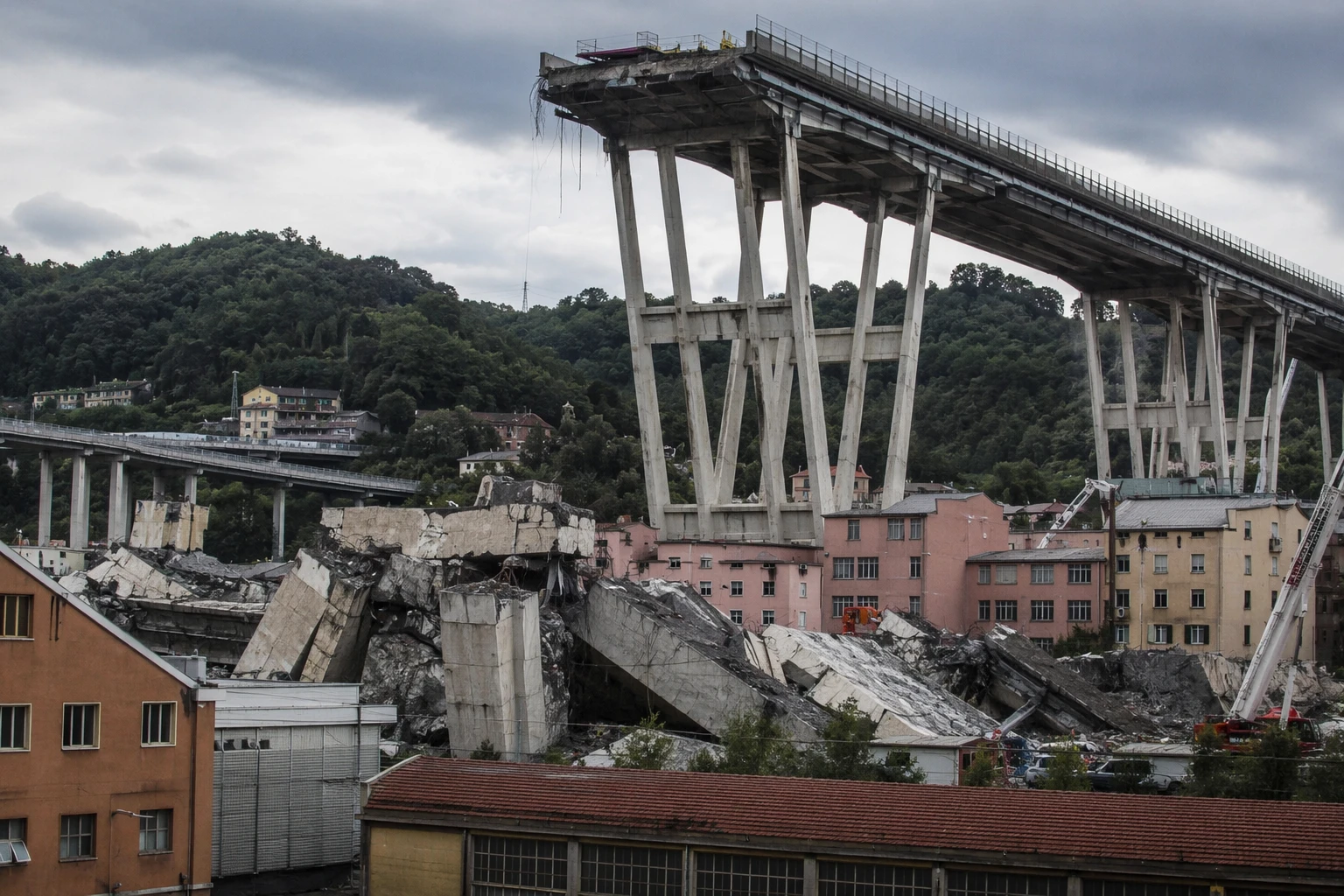
Family members of the victims filled the courtroom for the verdict. Among the best-known stories is Claudia Possetti’s, as she was travelling with her husband Andrea and their two children, aged 12 and 16, when the bridge collapsed as they were driving toward the Italian Riviera for a holiday. Their presence in the courtroom underscored how long the families had waited for a legal accounting of the disaster.
The prosecution had sought much heavier penalties than the 12-year sentence given to Castellucci. The trial heard from former executives of Autostrade, engineers and experts linked to the company’s engineering arm, reflecting the wider question at the heart of the case: whether failures in maintenance, oversight and corporate decision-making left a critical piece of transport infrastructure vulnerable long before the collapse.
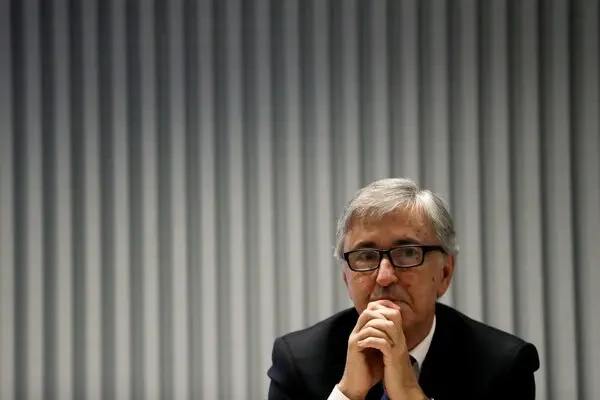
The risk of failure had been known for years, adding weight to the prosecution’s claim that warning signs were missed or discounted. The collapse became a symbol of anger over maintenance failures, oversight lapses and the privatized management of essential transport assets, especially as Italy was forced to confront the condition of aging bridges and highways across the country.

The ruling did not close the case. Appeals are still likely, but the first-instance verdict already established criminal responsibility for a disaster that reshaped the debate over public works safety in Italy and beyond. It also set a clear marker for Europe’s aging infrastructure: inspections, repairs and accountability cannot wait until after a bridge gives way.
Sources
- [1]bbc.com
- [2]reuters.com
- [3]aljazeera.com
- [4]abcnews.com
- [5]en.ilsole24ore.com