World
Italy-led EU force boards sanctioned Russian tanker in Mediterranean
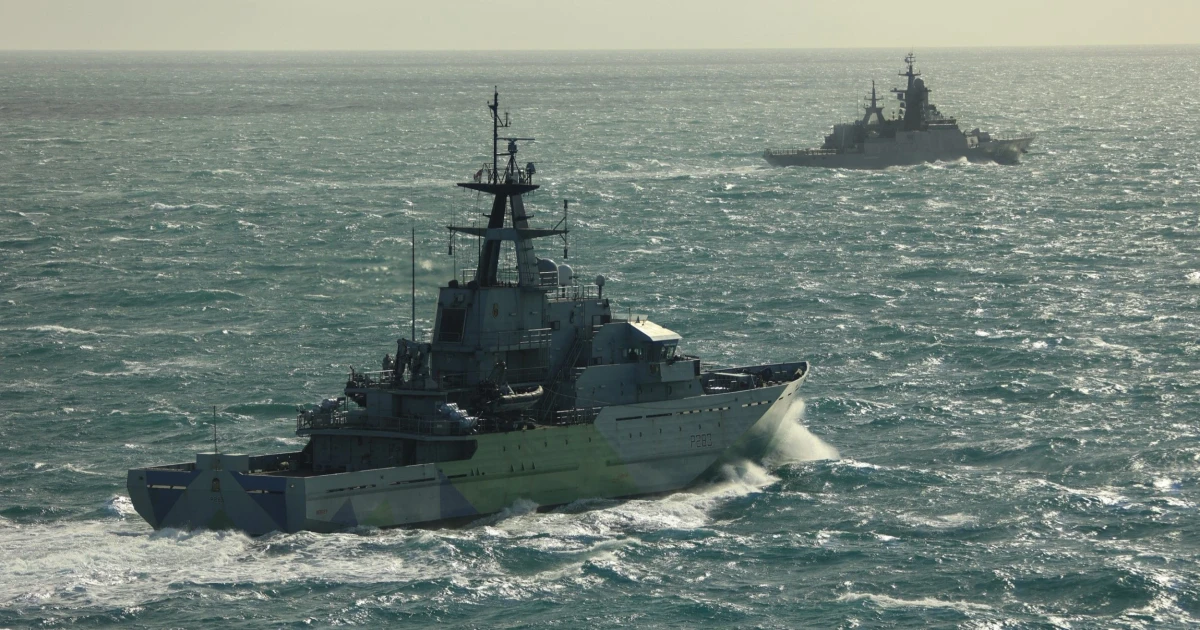
Italian-led European Union forces boarded a sanctioned tanker in the Mediterranean Sea on Sunday, naming the vessel as the Toa Payoh and checking its nationality and flag registration. The operation marked the second such boarding in less than two weeks as Europe tightened scrutiny on ships linked to Russia’s shadow fleet.
Italy’s Defence Ministry identified the tanker as the Toa Payoh. The boarding was carried out by an EU naval mission led by Italy, with the stated aim of verifying whether the vessel was properly registered and sailing under the flag it claimed. That kind of inspection matters because shadow-fleet ships often hide behind complicated ownership structures, limited transparency and insurance arrangements outside the normal maritime system.
The stakes go beyond paperwork. Western governments have treated the shadow fleet as a key workaround in Russia’s oil trade, a way to keep crude moving and preserve revenue despite sanctions imposed after Moscow’s full-scale invasion of Ukraine. When aging tankers can move oil with unclear ownership and questionable registration, sanctions become harder to enforce and maritime safety becomes harder to guarantee.
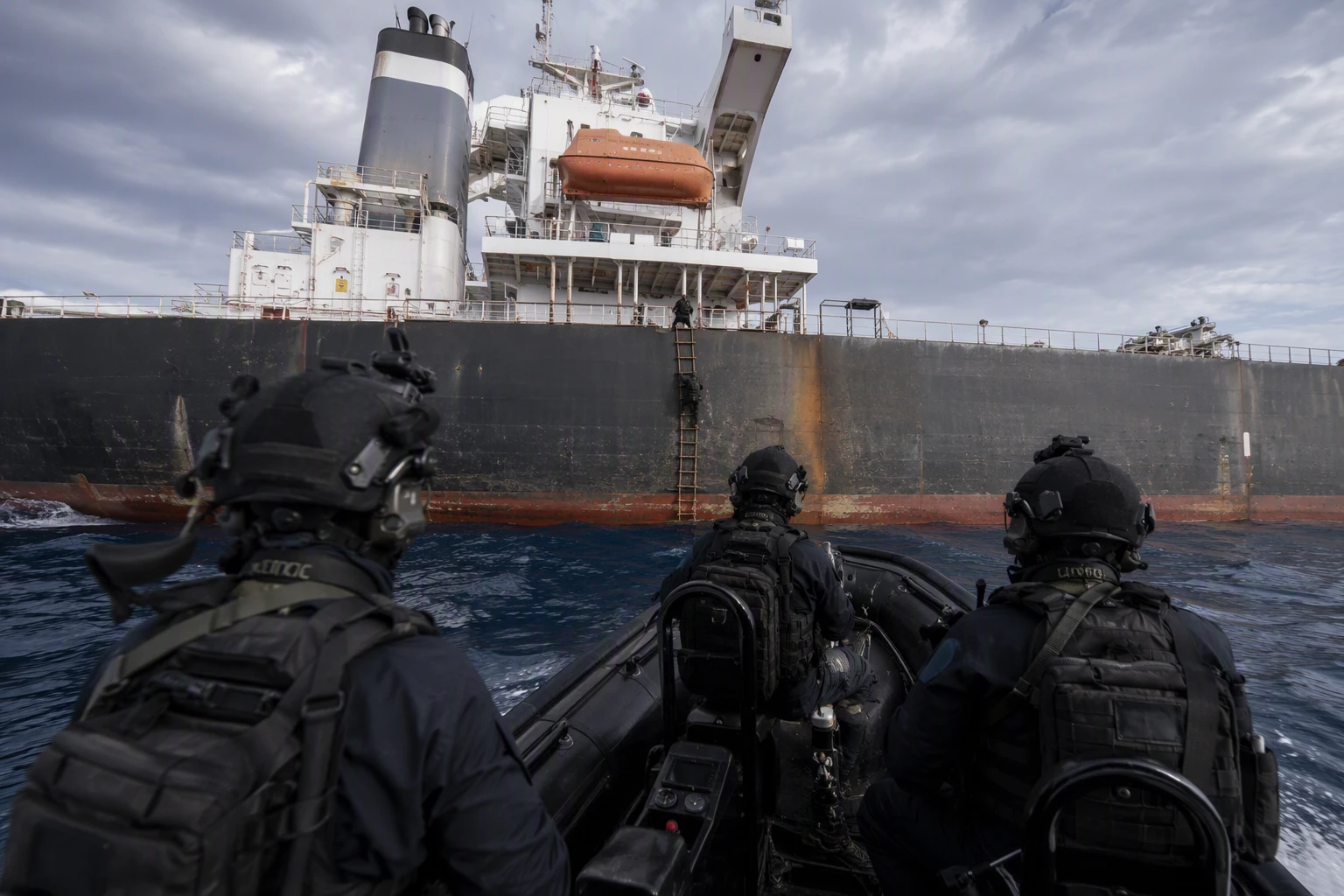
The Aug. 2 boarding followed another EU action in the same region on July 20, when forces from EUNAVFOR MED Operation IRINI boarded the sanctioned tanker MV SOUTH STAR for flag verification in the Mediterranean Sea. Kaja Kallas said the vessel was suspected of sailing under a false flag in breach of international maritime law. Together, the two boardings show a more assertive European posture toward vessels suspected of helping Moscow evade oil restrictions.
European officials have also been tracking deceptive registration practices elsewhere. On July 2, Europe targeted shadow-fleet tankers falsely using a Cameroon flag, underscoring how often the enforcement challenge turns on whether a ship’s claimed identity matches its legal status. Flag verification has become one of the few practical tools available to challenge those evasions before the cargo reaches market.
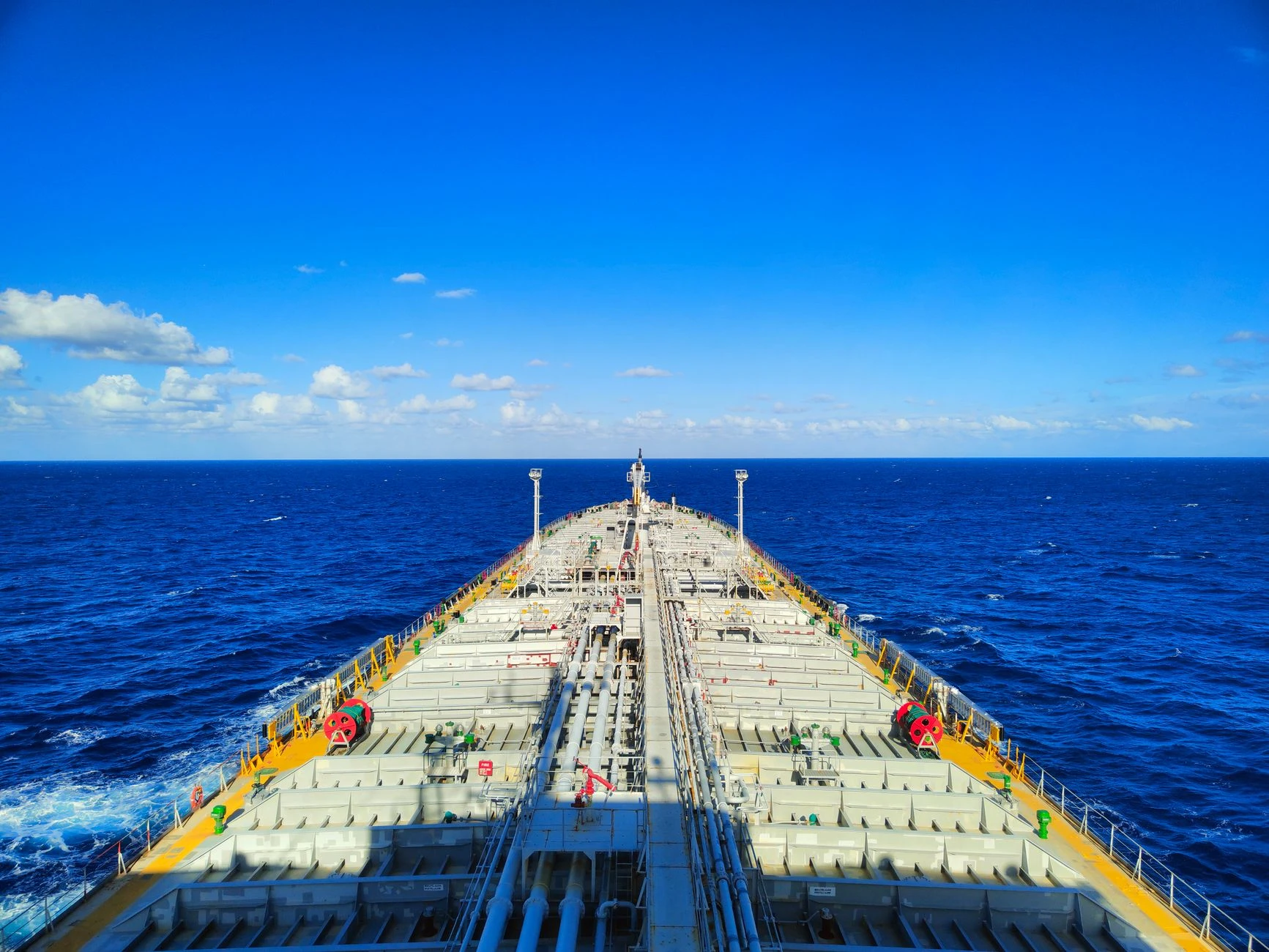
The enforcement push also carries an environmental dimension. A Greenpeace report in March 2025 warned that ship-to-ship oil activity by the Russian shadow fleet off the Gulf of Augusta in Sicily posed ecological risks, especially when older vessels with thin insurance coverage are involved. That concern has only sharpened as EU forces move closer to direct maritime intervention against sanctioned ships.
The boarding of the Toa Payoh showed the EU testing the limits of sanctions enforcement at sea. It also signaled that the shadow fleet, long treated as a moving workaround for Russian oil exports, is increasingly being treated as a target in its own right.
Sources
- [1]reuters.com
- [2]kfgo.com
- [3]kyivindependent.com
- [4]x.com
- [5]maritime-executive.com
- [6]blogs.duanemorris.com
- [7]greenpeace.org