Technology
Italy taps Poste Italiane to build digital sovereignty infrastructure

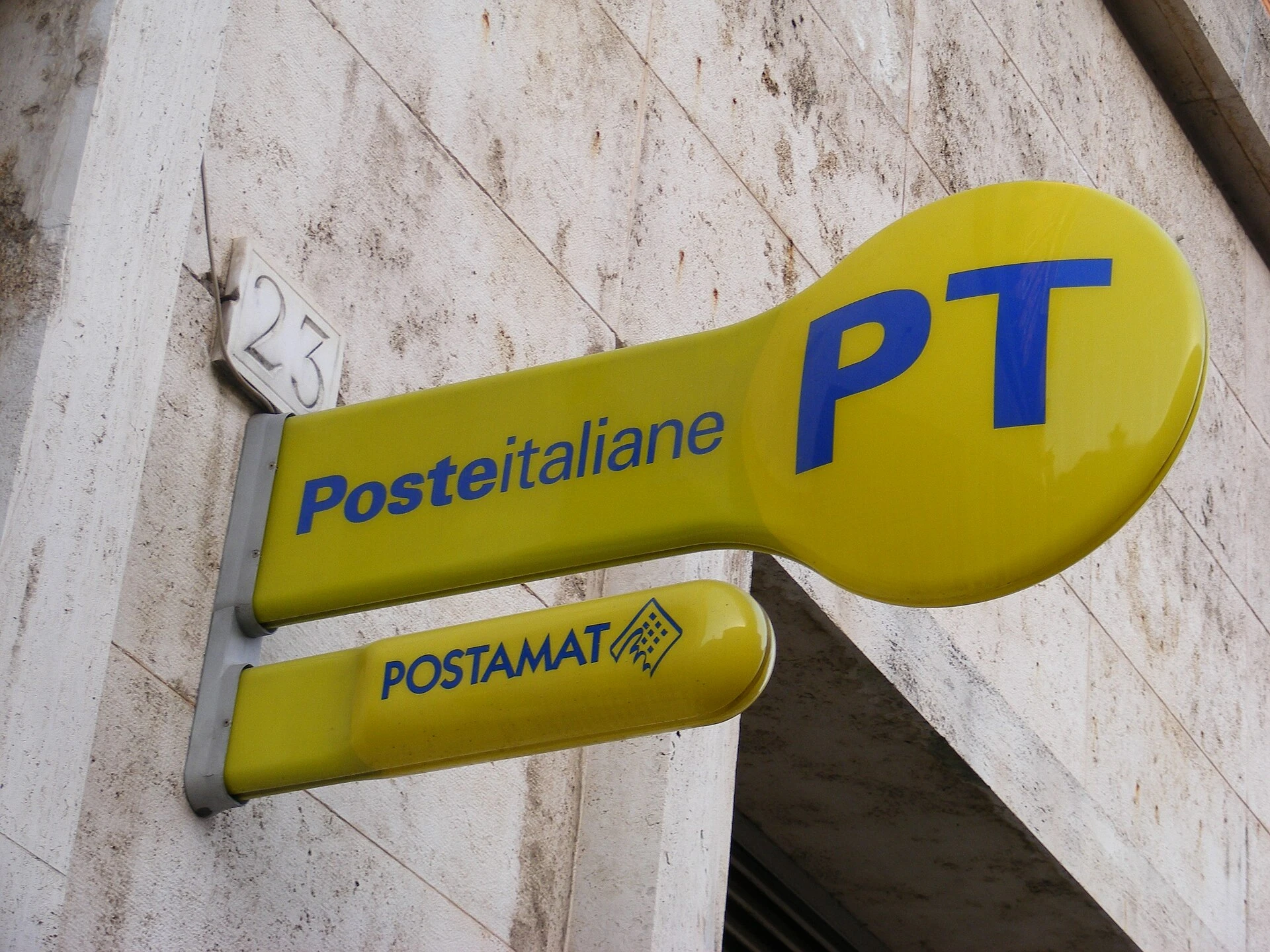
Italy has chosen Poste Italiane, the national postal service, as a core instrument of its digital-sovereignty push, betting that a company built around mail, parcels and pensions can also carry cloud, identity and AI-linked services inside domestic control. The state-backed group already pays pensions through 12,600 post offices, including branches in remote towns, giving Rome a physical network that reaches far beyond traditional telecom or tech firms.
Poste Italiane said its overhaul of that network had already turned 4,849 post offices into digital service hubs by the end of its FY2025/2026 strategy update. The company said it had also created 160 co-working spaces and delivered more than 190,000 public-administration services, including over 140,000 passports. Italy’s digital agency, Agenzia per l’Italia Digitale, lists Poste Italiane as an accredited identity provider for SPID, the national digital identity system, a role that places the postal group directly inside the state’s access architecture.
The clearest sign of how far the strategy now reaches is Telecom Italia, or TIM. Poste Italiane launched a voluntary total exchange offer worth €10.8 billion in March 2026 to bring TIM back under state control, with closing expected by the fourth quarter of 2026, subject to approvals. Poste had already raised its stake in TIM in March 2025 by buying an additional 15% from Vivendi, becoming the company’s largest shareholder with a 24.8% stake after antitrust approval. TIM says it operates Italy’s biggest fixed voice and data infrastructure and provides cloud services, making it the telecom and cloud arm of a broader state-backed digital stack.
That combination matters because AI infrastructure is not just about models. It also depends on identity systems, payment rails, logistics, secure communications and cloud capacity, all areas where governments want more domestic leverage as foreign technology giants dominate the market. Poste Italiane has described its business model as a “platform company” built on Italy’s largest physical and digital network, with convergence across networks, cloud, edge computing, data and digital identity.
Rome is not relying on Poste alone. Leonardo was preparing to increase its stake in Sogei, the company that manages cloud services for Italy’s public administration, adding another layer to the country’s effort to knit together strategic digital assets under public influence. The result is a distinctly Italian response to the AI race: not a single private-sector champion, but a state-directed ecosystem built from the post office outward.
Sources
- [1]finance.yahoo.com
- [2]msn.com
- [3]posteitaliane.it
- [4]agid.gov.it
- [5]csv2016.telecomitalia.com