World
Italy’s hidden adoption network reunites mothers and children after decades
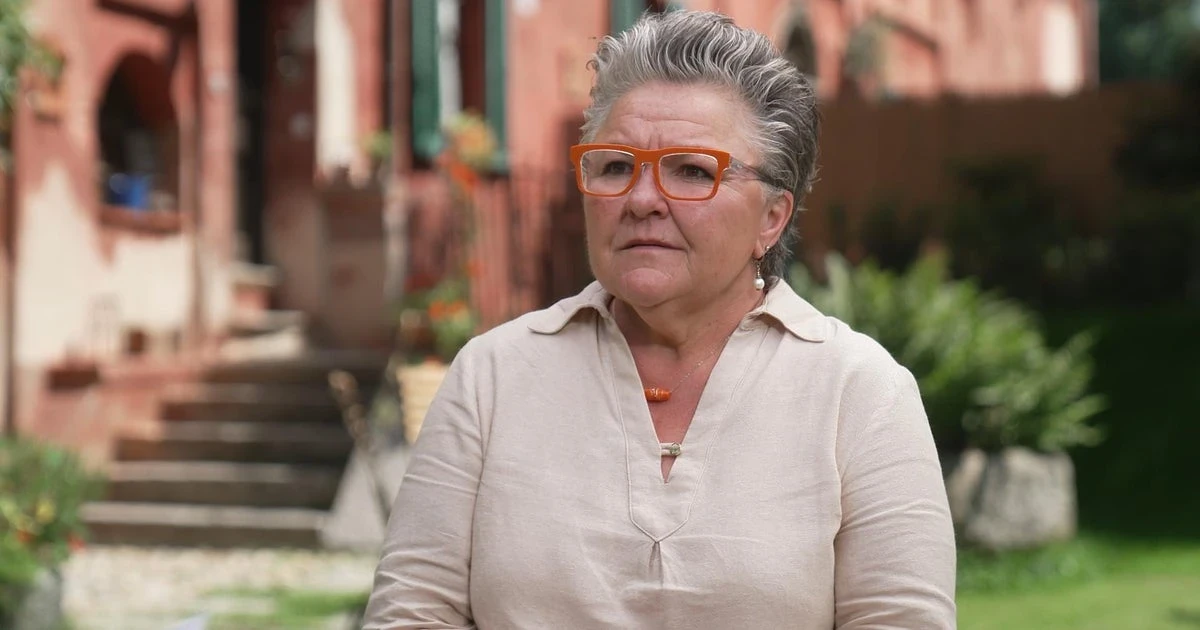
About 3,500 Italian children were sent to the United States on orphan visas between 1950 and 1970, CBS News and 60 Minutes found, even though many were not orphans at all and still had living mothers. For decades, unmarried mothers in Italy were pressured to give up children born outside marriage, and a Church-linked adoption network turned that stigma into a transatlantic pipeline.
A clerical system built on stigma and weak oversight
Postwar Italy gave the network its power. Unwed motherhood carried heavy social shame, poverty made families vulnerable, and Catholic authority shaped what many women were told they could and could not do. That mix helped create a system in which separation was framed as inevitability, not choice, and in which records could be altered, softened, or erased.
The basic legal opening came from the United States. A 1950 immigration law broadened the definition of an orphan to include a child with one living parent if that parent could not provide care. That change widened the lane for church-linked placements and made it possible for children with mothers still alive to be processed through orphan channels.
How the paper trail was bent
American priest Andrew Landi was a key organizer in Rome, where the adoption machinery linked Vatican institutions, Catholic intermediaries, and U.S. immigration rules. In practice, the children were often described as abandoned from birth, even when they had mothers who were alive and searching for them.
In some cases, names were removed from birth records, and families later discovered documents that did not match the truth they had lived with for decades. Others were told the child had died, a claim that closed off search efforts and deepened the loss.
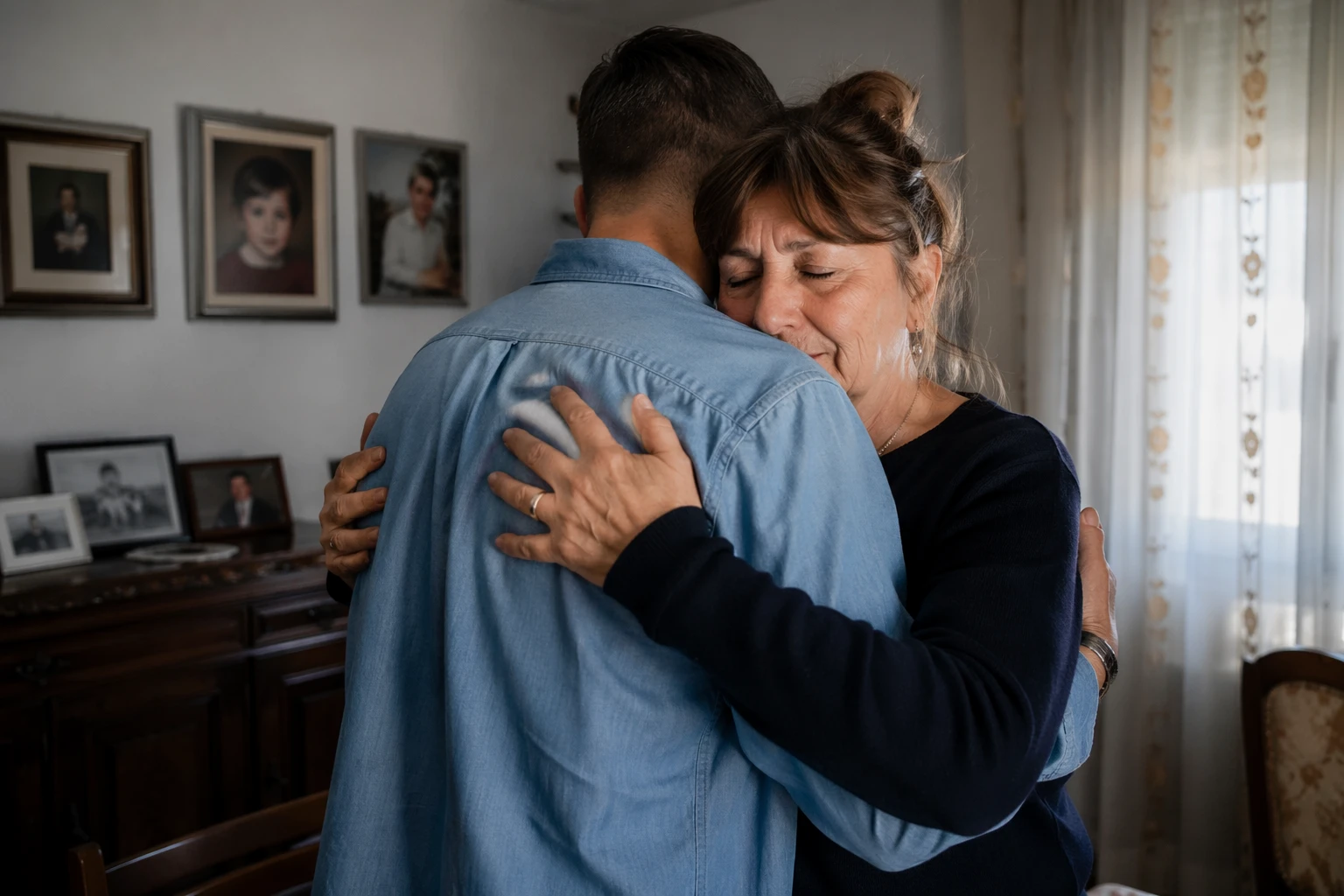
Maria Laurino drew on hundreds of Vatican archive documents and interviews with mothers and adoptees in The Price of Children: Stolen Lives in a Land Without Choice. Her work found that the Vatican charged about $475 per child, roughly $4,500 in today’s dollars.
The scale of the removals
About 3,700 were adopted by Italian American Catholic couples who were told the children were orphans.
It functioned as a managed channel, with Catholic-run institutions and church-linked adoption networks helping move children from Italy to American families. The fee structure, the legal loophole, and the use of orphan visas together made the process efficient enough to operate across years and borders.
Reunions that expose the missing records
John Campitelli, who was born Piero Davi in 1963, later reunited with his Italian birth mother after years spent trying to reconstruct his origin story.

These reunions show that the official version of events, which described many children as abandoned or parentless, was often wrong. Every match between mother and child also raises the same unanswered questions: who signed off, who knew the mothers were alive, and which records were changed to make the separations possible.
Why accountability has been so limited
During his September 2024 visit to Belgium, Pope Francis called for clarity about the Church’s role in forced adoptions, described the practice as a shameful part of the Church’s history, and warned about “single-mothers forcibly separated from their children.”
What still needs to be found
Families need the surviving records, the adoption files, and the names of the intermediaries who shaped each case. They need to know which institutions in Rome handled the children, how American Catholic channels were used, and how a system built on shame and clerical authority was allowed to run for 20 years with so little public scrutiny.
Sources
- [1]cbsnews.com
- [2]ncronline.org
- [3]lavocedinewyork.com
- [4]vaticannews.va