Business
Ivonescimab Shows Survival Benefit in Lung Cancer Trial
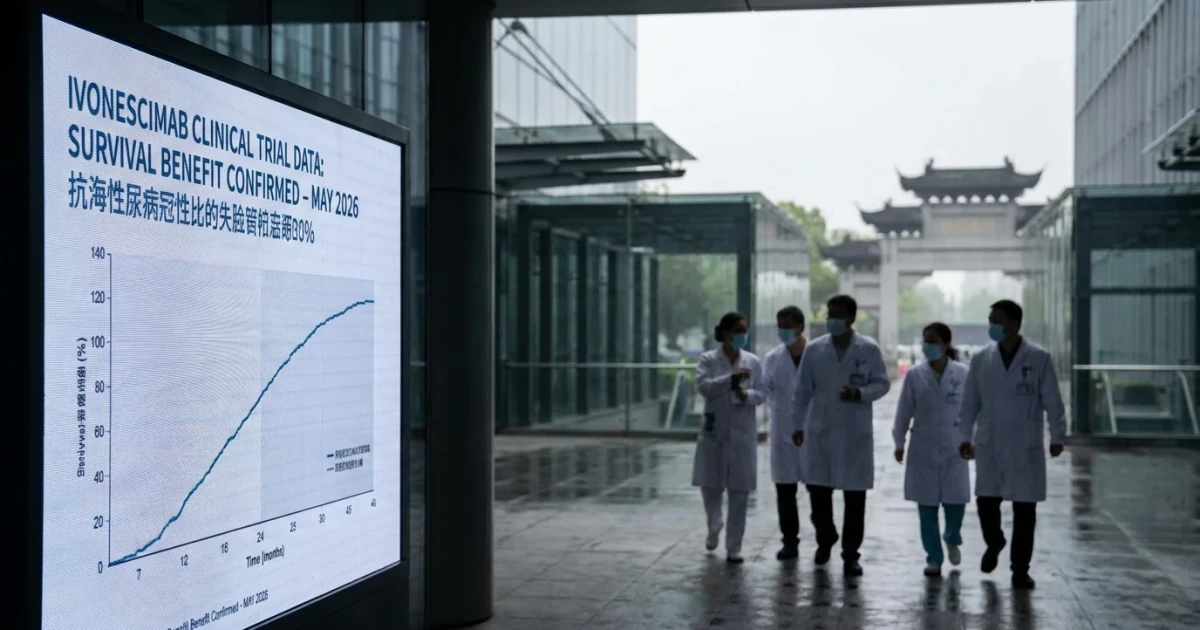
Ivonescimab, a bispecific antibody developed by Akeso and Summit, demonstrated a significant reduction in the risk of death for patients with advanced squamous non-small cell lung cancer (NSCLC) in a pivotal late-stage clinical trial conducted in China, according to results highlighted by CNBC and official trial records. The findings, which show a 34% reduction in mortality risk, mark a potential breakthrough in lung cancer treatment, but debate continues within the medical community regarding its broader implications and global regulatory path.
Significant Findings in Advanced NSCLC
The phase III trial, which enrolled patients with advanced squamous NSCLC, compared ivonescimab in combination with chemotherapy to standard chemotherapy alone. According to official trial results, the study met its primary endpoint by demonstrating a statistically significant improvement in overall survival. Akeso’s press release confirmed the 34% reduction in risk of death (hazard ratio=0.66), with the combination arm showing a median overall survival notably longer than the control arm.
- The trial enrolled several hundred patients with previously untreated advanced squamous NSCLC.
- Ivonescimab is a bispecific antibody targeting both PD-1 and VEGF pathways, designed to enhance immune response and inhibit tumor angiogenesis.
- The combination therapy also showed improvements in progression-free survival and objective response rates.
Lung Cancer Landscape in China
Lung cancer remains the leading cause of cancer-related death in China, accounting for a significant portion of the global disease burden. According to the latest World Health Organization data, China reports over 800,000 new lung cancer cases and nearly 715,000 deaths annually. Squamous NSCLC is a particularly aggressive subtype, with limited first-line treatment options until the emergence of newer immunotherapy-based regimens.
Debate and Regulatory Path Forward
The results have generated significant interest and discussion in the oncology community. While the survival benefit is clear, some experts—according to CNBC coverage—have questioned whether the data will translate to regulatory approval or changes in treatment guidelines outside China. Differences in trial populations, treatment standards, and regulatory requirements could affect the drug’s global trajectory.
Ivonescimab has not yet been approved by the U.S. Food and Drug Administration or European regulators. Analysts note that the dual-targeting mechanism offers a novel approach but also raises questions about long-term safety and cost-effectiveness compared to established therapies. Ongoing and future trials in diverse populations will be critical to determining the drug’s role in international practice.
What This Means for Patients
For patients with advanced squamous NSCLC in China, the approval of ivonescimab could offer a new first-line treatment option, potentially improving survival outcomes. The trial’s positive results may encourage similar research into bispecific antibodies and combination immunotherapy approaches worldwide. More broadly, the findings contribute to a rapidly evolving landscape for lung cancer research and treatment innovation, as scientists seek more effective and personalized therapies for a disease with high unmet needs.
Looking Ahead
Ivonescimab’s 34% reduction in mortality risk in a major phase III trial represents a significant advance for lung cancer therapy in China. As regulatory review and peer analysis continue, the global oncology community will be watching closely to see whether this hotly debated drug can fulfill its promise for patients worldwide.