Science
J. Michael Bishop Remembered for Pioneering Cancer Research
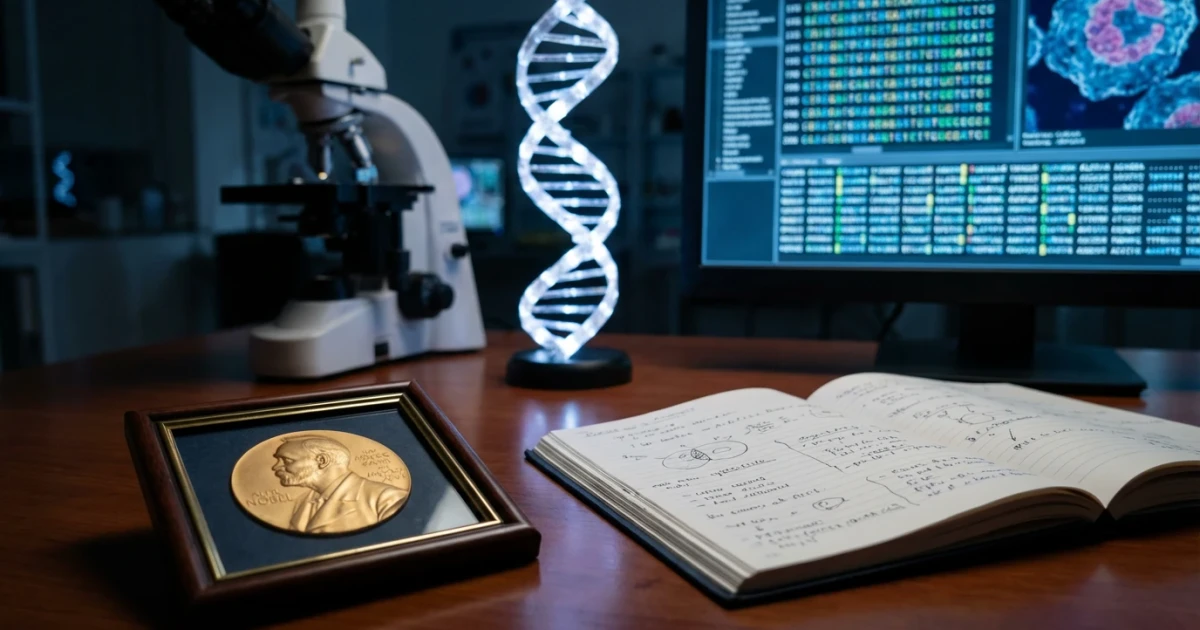
J. Michael Bishop, the Nobel Prize-winning scientist celebrated for his transformative contributions to cancer research, has died at the age of 90. Bishop’s work, particularly the discovery of the cellular origins of retroviral oncogenes, dramatically advanced the understanding of cancer’s genetic basis and reshaped the landscape of modern oncology.
Bishop’s Legacy in Cancer Research
Bishop was jointly awarded the Nobel Prize in Physiology or Medicine in 1989 alongside Harold E. Varmus. Their landmark research revealed that certain genes, later termed oncogenes, found in normal cells could become cancer-causing when mutated or improperly activated. This discovery provided compelling evidence that cancer could arise from the cell’s own genetic material, not just from external agents such as viruses or chemicals.
- The identification of oncogenes led to a new understanding of how normal cellular functions can be disrupted in the development of cancer.
- Bishop’s work paved the way for cancer genomics research, a field that continues to inform targeted therapies and personalized medicine approaches today.
Groundbreaking Discoveries and Global Impact
According to the Nobel Prize’s official records, Bishop and Varmus demonstrated that the oncogenes present in retroviruses had their origins in normal cellular genes. Their findings, first published in the 1970s and 1980s, shifted scientific consensus and spurred worldwide research on cancer genetics. The implications of this work have been profound, influencing both the detection and treatment of various cancers.
The full-text scientific analysis of their Nobel-winning research highlights how their methodology—using animal models and molecular techniques—helped pinpoint the genetic triggers for tumour formation. This work has since underpinned much of the progress in cancer diagnosis, risk assessment, and the development of targeted drugs.
Ongoing Influence in Cancer Treatment
Bishop’s contributions remain highly relevant as cancer continues to affect millions globally. According to recent cancer statistics, the disease remains one of the leading causes of death worldwide, with ongoing research into oncogenes crucial for new treatment breakthroughs. The CDC’s cancer data further highlights the public health importance of genetic research, as understanding cancer at the molecular level has resulted in improved survival rates and more effective, individualized therapies.
Remembering Bishop’s Scientific Vision
Beyond his laboratory achievements, Bishop was known as a mentor and advocate for scientific inquiry. His Nobel lecture emphasized the importance of curiosity-driven research and the collaborative nature of scientific advancement. Generations of medical researchers have built on Bishop’s insights, extending his influence far beyond his own discoveries.
Bishop’s passing marks the end of a notable chapter in medical research, but his legacy endures through the lives saved and the ongoing quest to understand and cure cancer. As the field of cancer genomics advances, the foundational work of J. Michael Bishop remains a guiding light for scientists and clinicians worldwide.