Sports
Jackson Koivun's final amateur start signals a major leap to pro golf
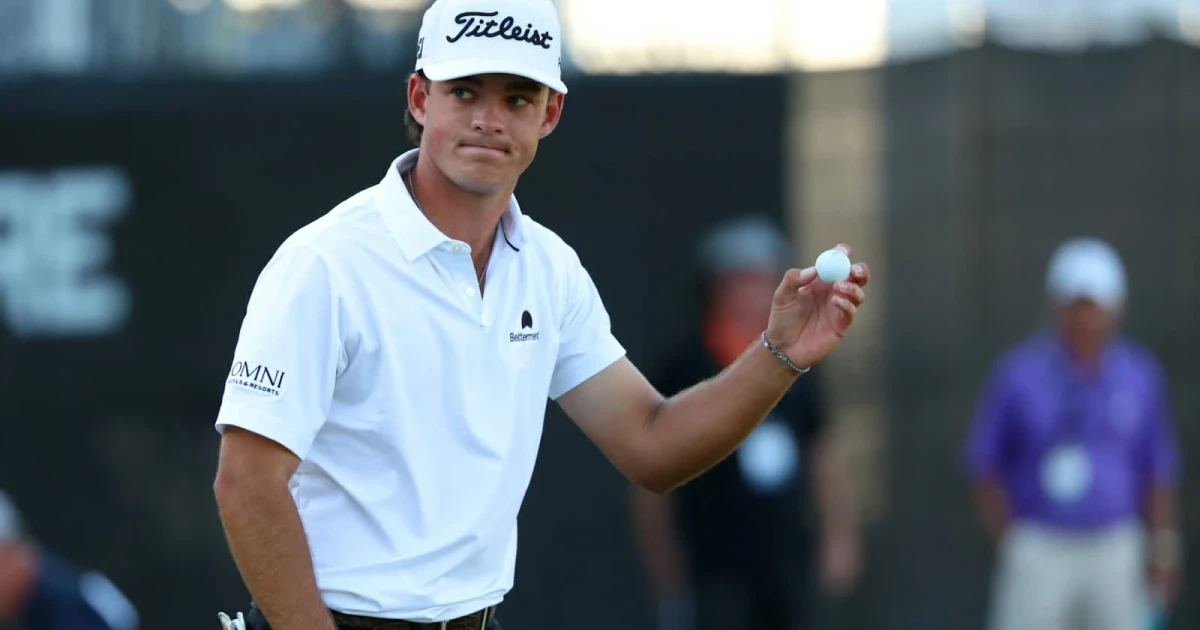
Jackson Koivun’s final amateur start is less a farewell lap than a stress test. The world’s No. 1 amateur has spent so long winning that the harder question now is whether that confidence survives once every week carries pro-level scrutiny, tougher fields, and fewer guarantees.
A prodigy shaped by repetition and family support
Koivun’s rise did not happen overnight, even if the pace of it now makes his next move look inevitable. His father, George, introduced him to golf when he was a toddler, and by age four he was already collecting medals and bobbleheads in junior competitions. The ESPN profile portrays that early start as the foundation for a career built on familiarity with competition, not sudden breakout hype.
His mother, Meghan, has been a constant presence through that climb. She is described as the person who has spent more time watching him play than anyone else, and her role goes beyond spectator status. Meghan says she has learned to read his body language and can tell what his shots mean almost before the ball lands, a detail that underscores how tightly his game and identity have developed together. That kind of family-backed continuity matters because Koivun is not stepping into professional golf as a raw talent still searching for direction. He is arriving with years of support, habits, and expectations already in place.
Auburn turned promise into proof
Koivun’s college run at Auburn is what turned elite potential into something much harder to ignore. In a three-month stretch, he won six times, a level of sustained dominance that would be impressive in any era and across any level of golf. He also collected every national player-of-the-year honor for the second time in his college career, a rare repeat achievement that signals both consistency and stature.
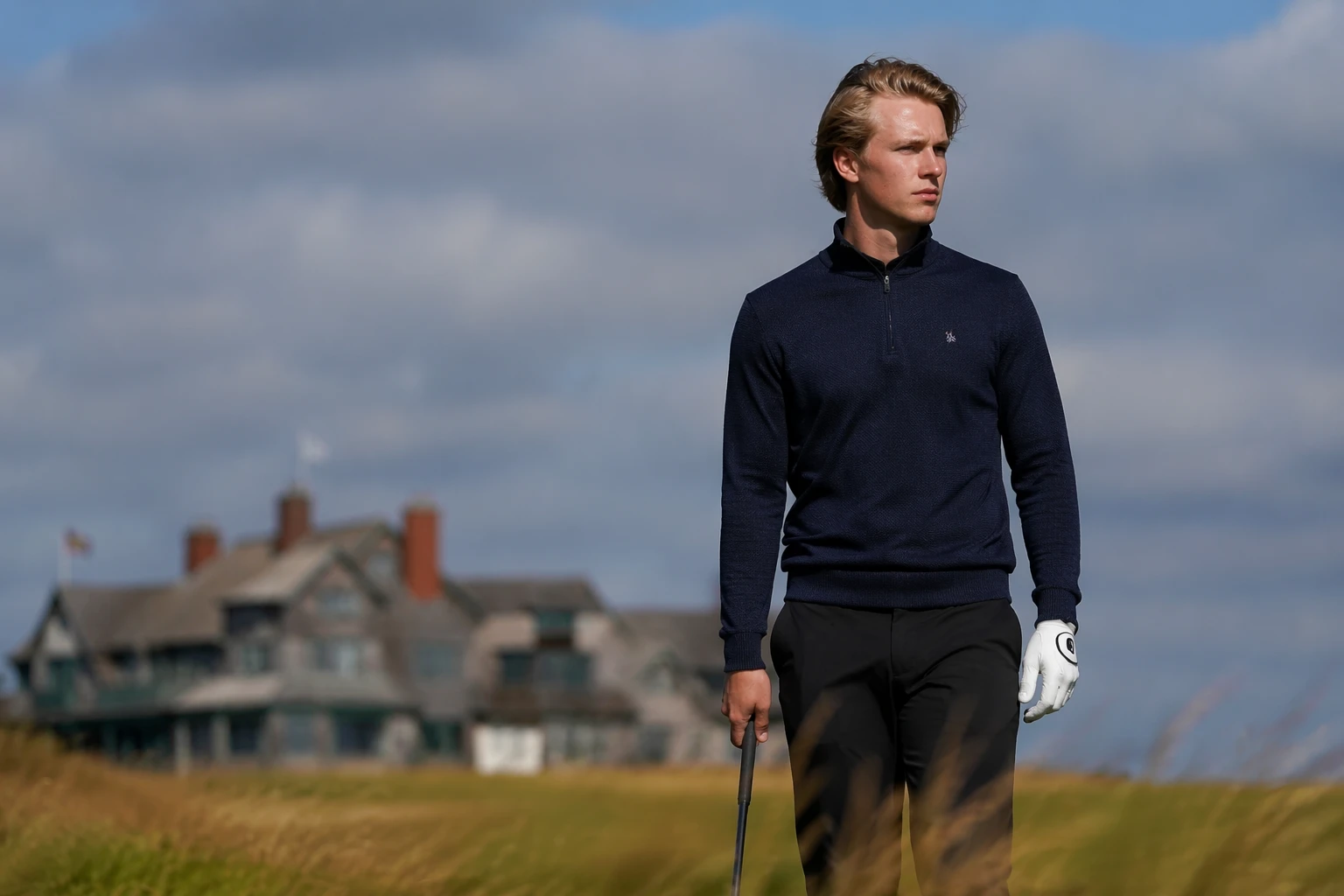
Just as important, he helped lead Auburn to a national title. That matters because winning individual awards is one thing; delivering on a championship stage adds another layer of credibility. Koivun’s profile at Auburn showed that he could produce under pressure, stack good weeks together, and remain the best player on the course even when the attention around him intensified. For a golfer about to enter a professional environment where every stop features accomplished opponents, that combination is part of the case for optimism.
Why the pro jump is still a major leap
The temptation with a player like Koivun is to treat the transition as a formality. He is the No. 1 amateur, he has already won at a high clip, and he has a PGA Tour card secured. Yet the story around him makes clear that pro golf is a different business, even for someone with his résumé. Amateur dominance can prove that a player is special; it does not automatically prove he is ready to contend every week against the depth and volatility of elite fields.
That is why the final amateur start matters. It is not just a ceremonial finish line before the next chapter. It is the last time Koivun competes without the full weight of tour life, where missed cuts, shifting setups, and deeper leaderboards become part of the routine. His confidence is real, but the professional game will ask for more than confidence. It will demand resilience across changing conditions, patience when form dips, and the ability to reset quickly when a good round turns ordinary.
The family perspective in the ESPN profile helps explain why the jump is viewed as emotional as much as technical. Meghan’s read on his body language suggests a player who has long internalized pressure in a way that looks calm from the outside. Koivun himself is framed as someone who has long believed he belongs with the best. That belief has been reinforced by results, but at the next level, belief alone will need to be matched by weekly adaptation.
Shinnecock Hills is a brutal final classroom

Koivun’s last amateur competition comes at the 2026 U.S. Open at Shinnecock Hills, and the venue is part of what makes the moment so revealing. Shinnecock is known for punishing conditions and exposing weaknesses, which turns every round into a measure of control, composure, and course management. It is an unforgiving place to close an amateur career, but that is exactly why it fits the story.
A demanding U.S. Open setup will not care about his age, his amateur ranking, or the momentum he brings from Auburn. It will test how his game holds up when precision is strained and mistakes are magnified. For a player about to turn pro after the championship, the course offers a final look at whether his current level is merely excellent by amateur standards or already sturdy enough to handle the grind of professional golf.
What will decide whether the confidence holds
Koivun’s next phase will hinge on more than the obvious talent that has carried him this far. The bigger questions are about the parts of his game and routine that can travel from one difficult week to the next: how he handles pressure after a bad hole, how quickly he adjusts to unfamiliar setups, and how well he manages the emotional demands of competing for a living. His college dominance and PGA Tour card provide the opportunity; they do not remove the burden of proving he can belong.
That is why this final amateur start feels so significant. Koivun is leaving amateur golf not as a player hoping to sneak into relevance, but as one who already carries the expectations of a future tour professional. The U.S. Open at Shinnecock Hills will not settle every question, but it will offer a sharp look at whether his remarkable amateur record is a preview of what comes next or simply the high-water mark of one phase of his career.
Sources
- [1]espn.com