Technology
James Webb spots methane on survivor planet orbiting white dwarf
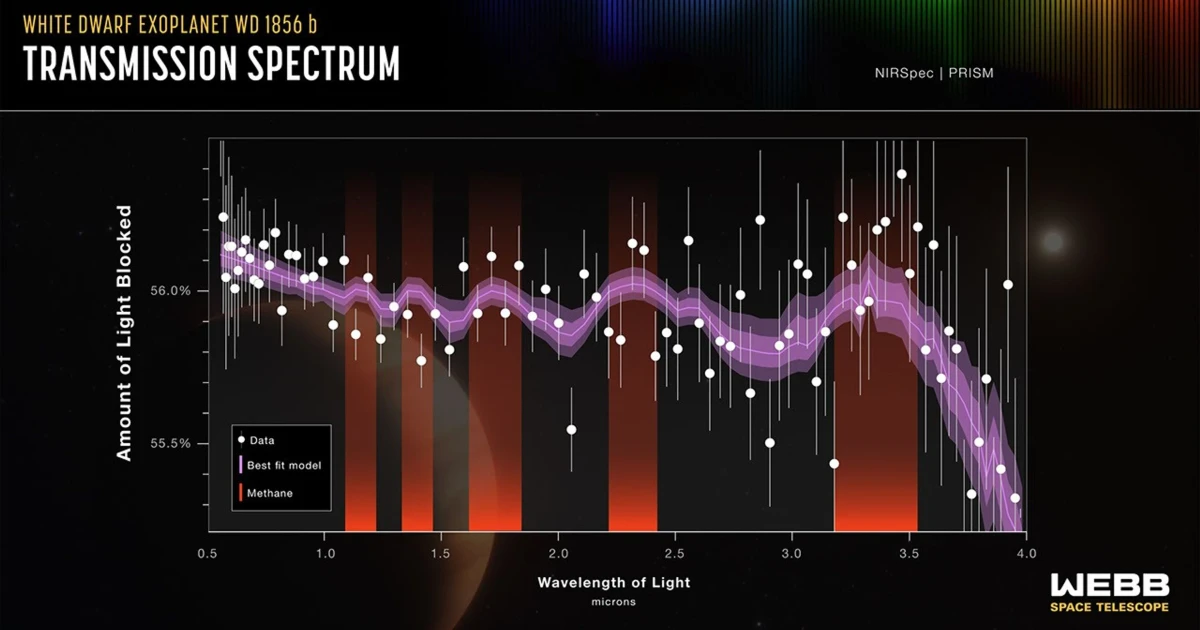
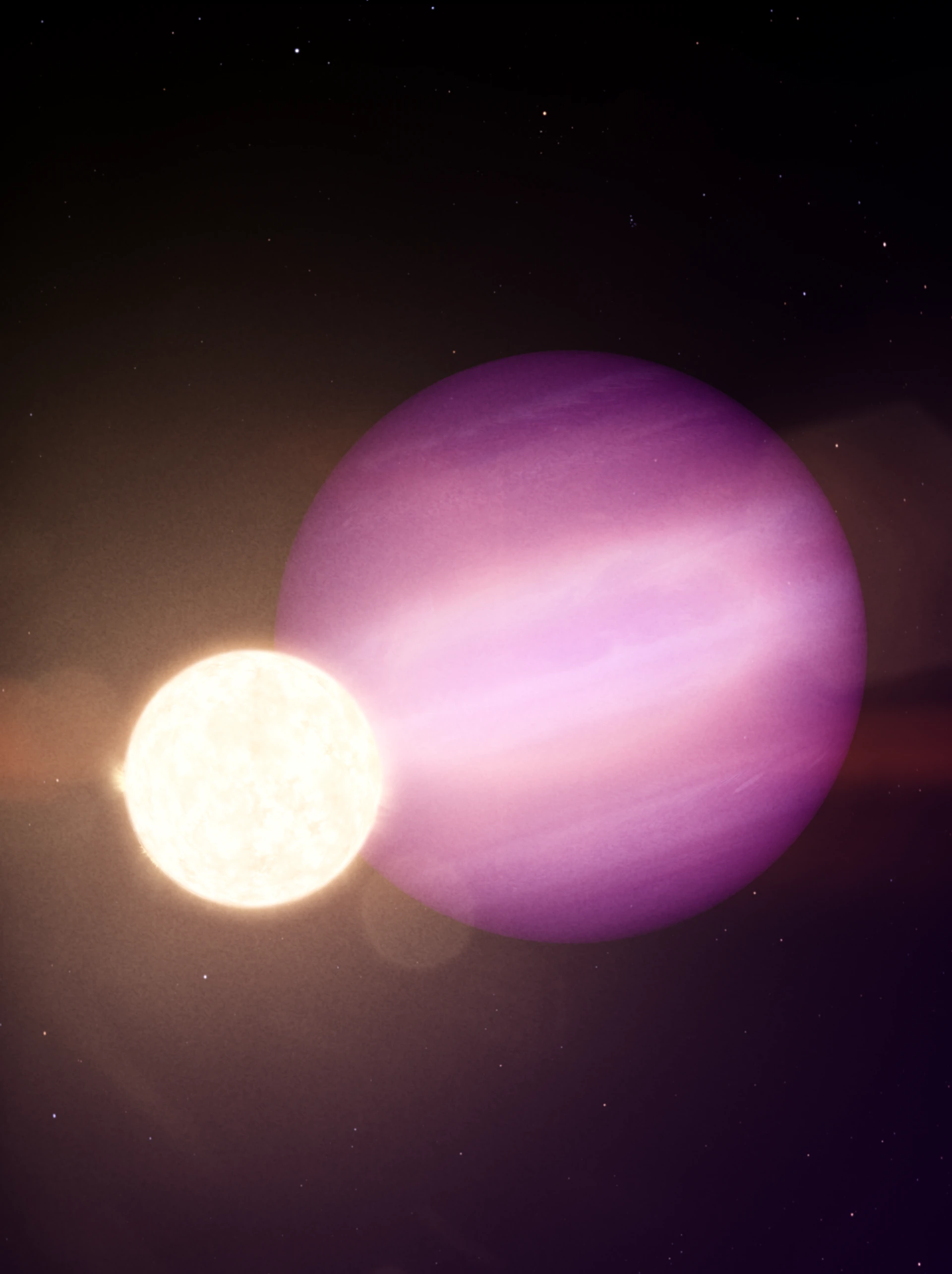
Methane in the atmosphere of WD 1856 b has sharpened the mystery of how a Jupiter-sized planet survived the death of its star. The world circles the white dwarf WD 1856+534, about 80 light-years from Earth, once every 34 hours at a distance of less than 2 million miles, or 3 million kilometers, roughly 50 times closer than Earth orbits the Sun.
That orbit should have been fatal. WD 1856+534 was once a Sun-like star that expanded into a red giant before collapsing into a white dwarf, and a planet sitting that close would normally have been swallowed as the star swelled. Astronomers first found WD 1856 b in 2020 with NASA’s Transiting Exoplanet Survey Satellite and the retired Spitzer Space Telescope, and the discovery immediately raised the question of whether the planet somehow endured its star’s bloated phase or arrived later.
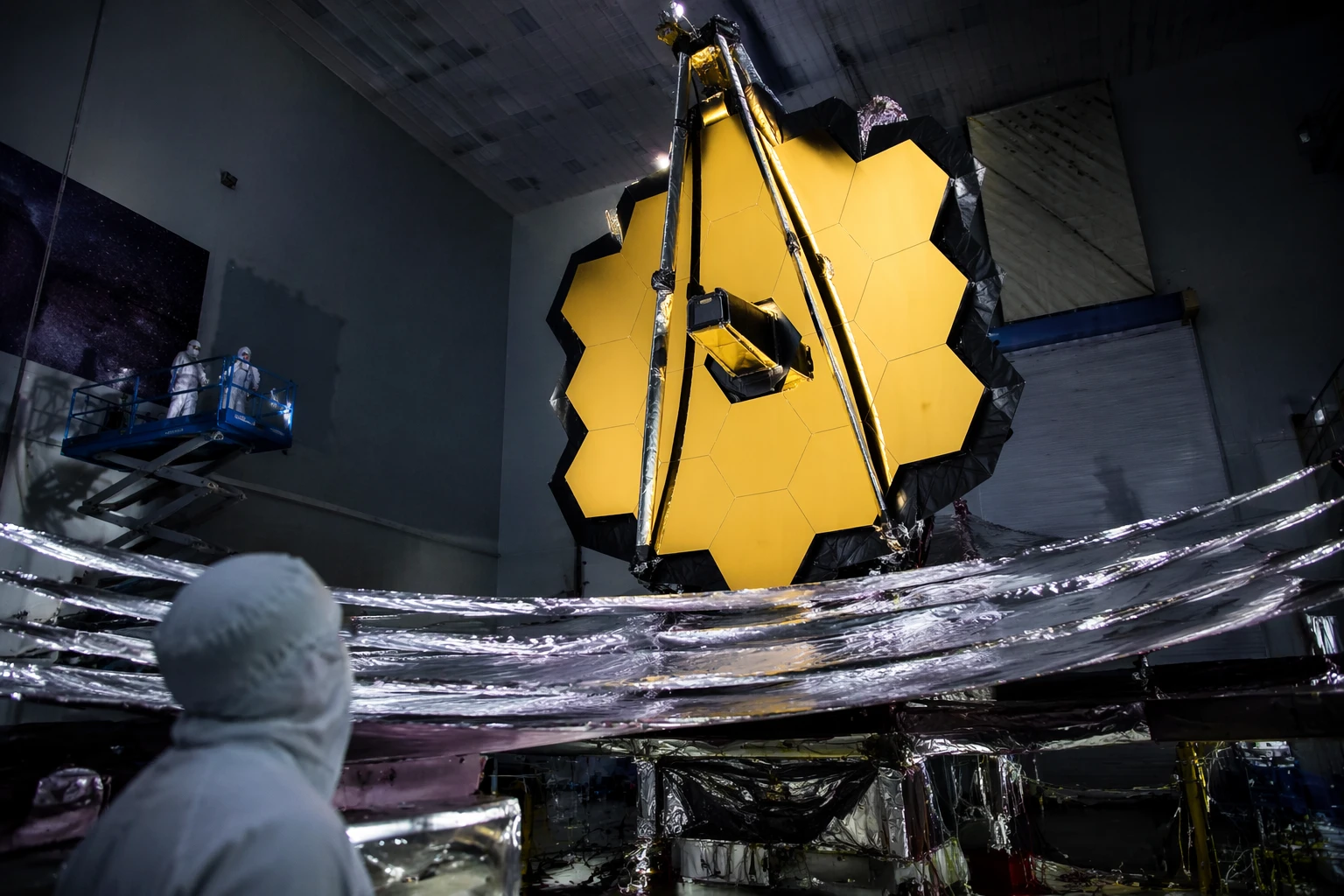
New observations from NASA’s James Webb Space Telescope point to the second explanation. Ryan MacDonald, Victoria Boehm, Christopher O’Connor and Nikole Lewis used Webb to watch the planet in a grazing transit, one that lasted only about eight minutes but still blocked a record 56% of the star’s light. That brief event let the researchers estimate WD 1856 b’s mass at between four and eleven times Jupiter’s mass and extract information about its temperature.
The Webb data also produced the first atmospheric detection for a white dwarf planet. Scientists found methane along with hydrocarbons and aerosols, a combination that suggests a warmer atmosphere than expected and offers a rare look at how such a world has been heated and reshaped. The analysis strengthens the case that WD 1856 b did not stay put through its star’s violent transformation. Instead, it likely migrated inward billions of years after the star had already become a white dwarf.
That matters well beyond one strange system. WD 1856 b now serves as a close-up preview of what may happen to giant planets in our own solar system when the Sun dies in about five billion years. Jupiter and Saturn may not be lost to the same fate as the star itself, but their future could depend on a delayed reshuffling, not simple survival where they began.
Sources
- [1]arstechnica.com
- [2]science.nasa.gov
- [3]stsci.edu
- [4]astro.cornell.edu
- [5]news.northwestern.edu
- [6]nature.com