Science
James Webb Telescope Unveils Stunning 'Eye of God' — A Glimpse Into the Sun’s Distant Fate
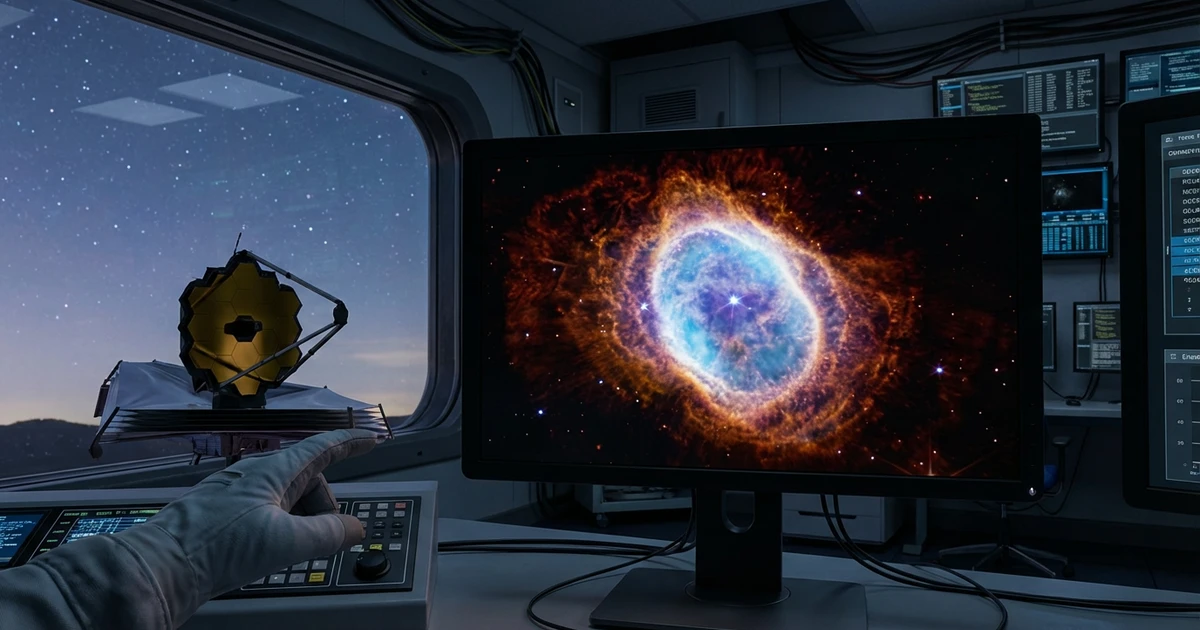
NASA’s James Webb Space Telescope (JWST) has captured a breathtaking new image dubbed the 'Eye of God', providing scientists and the public with an extraordinary look at the future demise of our own sun. This stunning planetary nebula not only dazzles with its intricate beauty, but also offers a dramatic preview of the cosmic processes that will unfold billions of years from now.
What Is the 'Eye of God'?
The 'Eye of God' is the popular nickname for the Helix Nebula, a planetary nebula located about 650 light-years away in the constellation Aquarius. Planetary nebulas like the Helix form when a dying star expels its outer layers, creating glowing clouds of gas and dust that are illuminated by the remnant stellar core. The complex structures and vivid colors in these images have long captivated both astronomers and the general public.
James Webb’s Unprecedented Clarity
The new image from the James Webb Space Telescope surpasses all previous observations in detail and depth. Utilizing its advanced infrared capabilities, the JWST has revealed fine filaments of gas and dust, intricate rings, and the central white dwarf star at the heart of the nebula. These features help scientists better understand the late stages of stellar evolution, a fate that awaits our own sun in approximately 5 billion years.
- Location: Helix Nebula, 650 light-years from Earth
- Type: Planetary nebula
- What it shows: The death throes of a sun-like star
- JWST instrument used: Advanced infrared imaging
A Preview of the Sun’s Distant Fate
The Helix Nebula offers a window into the far future of our solar system. Like the Helix’s central star, the sun will eventually exhaust its nuclear fuel, swell into a red giant, and shed its outer layers. What remains will be a dense white dwarf surrounded by a glowing shell of ionized gas—strikingly similar to the phenomenon now seen in the 'Eye of God'.
Why This Image Matters
Experts note that observing planetary nebulas like the Helix helps unravel the physical processes governing stellar death. The JWST’s high-resolution data provides direct evidence of how sun-like stars evolve and disperse elements critical for new star and planet formation. These findings enrich our understanding of the cosmic lifecycle, from stellar birth to death and beyond.
Visual Marvels and Scientific Revelations
The 'Eye of God' nickname stems from the nebula’s striking resemblance to a human eye, with concentric circles of color and a bright central point. This resemblance—combined with its ethereal beauty—has made it a favorite among astronomers and space enthusiasts alike. The JWST’s clarity brings new appreciation for the sculpted rings and wispy clouds, revealing the dynamic interplay between radiation and interstellar material.
Looking Forward: Webb’s Continuing Legacy
The unveiling of the 'Eye of God' is only the beginning. The James Webb Space Telescope continues to probe the universe’s most profound mysteries, offering glimpses into our cosmic origins and ultimate destinies. As it peers deeper into space and time, each image—like this one—adds to humanity’s collective understanding of the universe and our place within it.
For those eager to see the future of the sun, the new JWST image of the Helix Nebula stands as both a scientific achievement and a poignant reminder of the universe’s ongoing cycle of creation and destruction.
Sources
- [1]Live Science