World
Jamie Dimon Cautions on Iran Crisis Impact for Investors
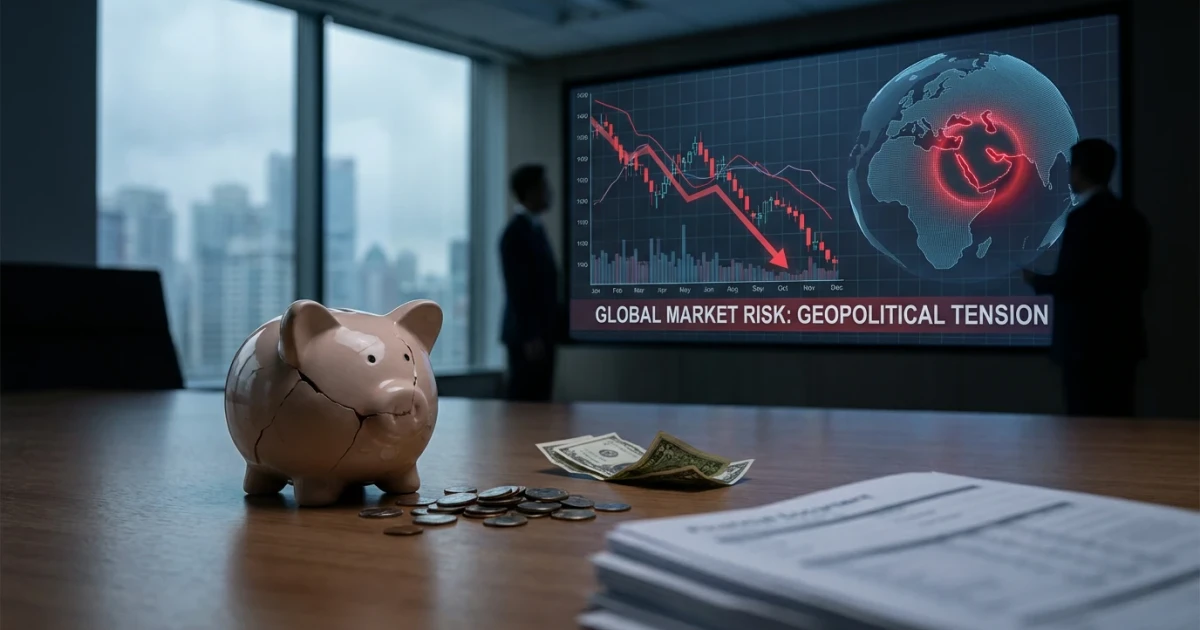
Jamie Dimon, the CEO of JPMorgan Chase & Co., has issued a warning about the potential financial fallout from the ongoing Iran crisis. According to The Economic Times, Dimon emphasized that escalating geopolitical tensions could have a direct impact on everyday consumers and investors, especially those with exposure to retirement accounts like 401(k) plans.
Global Markets Face Uncertainty
Dimon's remarks come as markets react to heightened instability in the Middle East, with investors closely monitoring developments that could disrupt oil supplies and global trade. Historically, crises involving Iran have triggered volatility in energy markets and put pressure on equities worldwide. This volatility can be seen in movements of the S&P 500 Index, a key benchmark for many retirement portfolios.
- Oil prices are particularly sensitive to Middle East tensions, as the region remains a major global supplier. For reference, the Europe Brent Spot Price often reacts sharply to geopolitical events in the area.
- Rising oil prices can contribute to higher inflation, with data from the Consumer Price Index (CPI) reflecting broader cost-of-living increases.
- Retirement accounts like 401(k) plans are typically tied to the performance of both equity and bond markets.
Potential Effects on Consumer Finances
Dimon’s warning is rooted in concerns that an escalation could lead to higher oil prices, broader inflation, and market volatility. Consumers might face increased costs at the pump and in the supermarket as inflation rises. For those saving for retirement, market downturns can erode account balances, especially for those heavily invested in stocks.
Recent history shows that international crises often spark sell-offs across global indices. The S&P 500, which underpins many 401(k) investment options, has experienced sharp swings during periods of geopolitical stress. Investors are advised to monitor their exposure and consult financial professionals to ensure diversified portfolios that can weather such shocks.
JPMorgan’s Perspective and Broader Implications
As the head of the largest U.S. bank, Dimon’s views carry weight among both Wall Street analysts and retail investors. JPMorgan Chase’s own SEC filings reflect the bank’s exposure to global risk factors, including those arising from geopolitical instability.
Dimon's warning underscores the interconnectedness of global events and personal finance. The impact of the Iran crisis may extend beyond immediate market reactions to influence consumer confidence, interest rates, and broader economic trends. For those nearing retirement or dependent on investment income, these developments warrant close attention.
What Investors Can Do
- Review portfolio allocations to ensure they reflect current risk tolerance
- Stay informed about market developments, particularly around energy prices and inflation data
- Consult with financial advisors before making significant changes to retirement plans
For real-time data on market movements, readers can track the S&P 500 index and follow official updates on U.S. employment and inflation figures from the Bureau of Labor Statistics.
Looking Forward
While the full impact of the Iran crisis remains uncertain, Jamie Dimon's warning highlights the importance of financial preparedness in volatile times. By staying informed and ensuring prudent investment strategies, consumers and retirees can better navigate the challenges posed by global events.