Business
Japan 10-year bond yield hits 30-year high as oil climbs
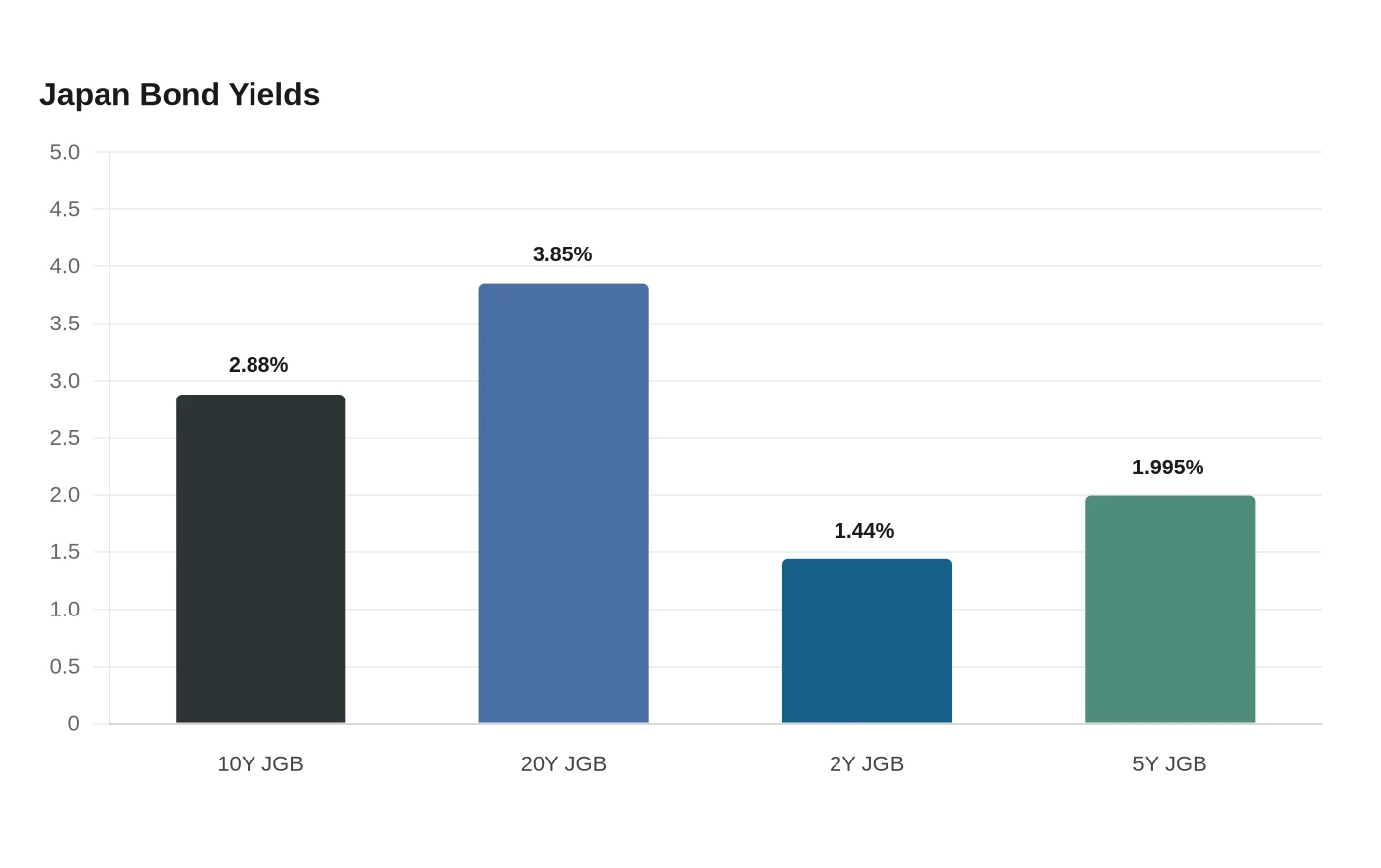
Japan’s benchmark 10-year government bond yield climbed to 2.880% on Thursday, its highest level since September 1996, as oil prices pushed inflation concerns back into focus and investors questioned the country’s fiscal path. The selloff reached beyond the 10-year note: the 20-year yield rose to 3.85%, its highest since July 1996, while the two-year yield moved up to 1.44% and the five-year reached 1.995%.
The moves mattered because they showed a broad repricing of Japanese debt, not just a reaction to one trading session. Higher oil prices fed the inflation trade, and a separate jump in U.S. Treasury yields after Donald Trump said he thought a tentative deal to end the war with Iran was over added to the pressure on global bond markets. For U.S. investors, Japan’s rise in yields is a reminder that one of the world’s largest pools of savings can begin to compete more aggressively for capital at home when returns improve.

Japan’s finance ministry was set to auction about 2.5 trillion yen of five-year notes later in the day, a test of demand after the surge in yields. The market has already been absorbing fresh supply: the ministry posted results of a 30-year JGB auction on July 7 and has also announced 20-year and five-year JGB issuance for July 2026. That supply calendar leaves investors weighing whether higher yields are enough to clear the market without forcing still-larger concessions.
The policy backdrop has become just as sensitive as the trading action. An initial draft of the government’s economic blueprint called on the Bank of Japan to align monetary policy with growth efforts, while a revised version added wording that said it is important for the central bank to take appropriate policy “to achieve stable inflation.” The wording change underscored how closely markets are watching the balance between fiscal expansion, inflation control and central-bank independence.
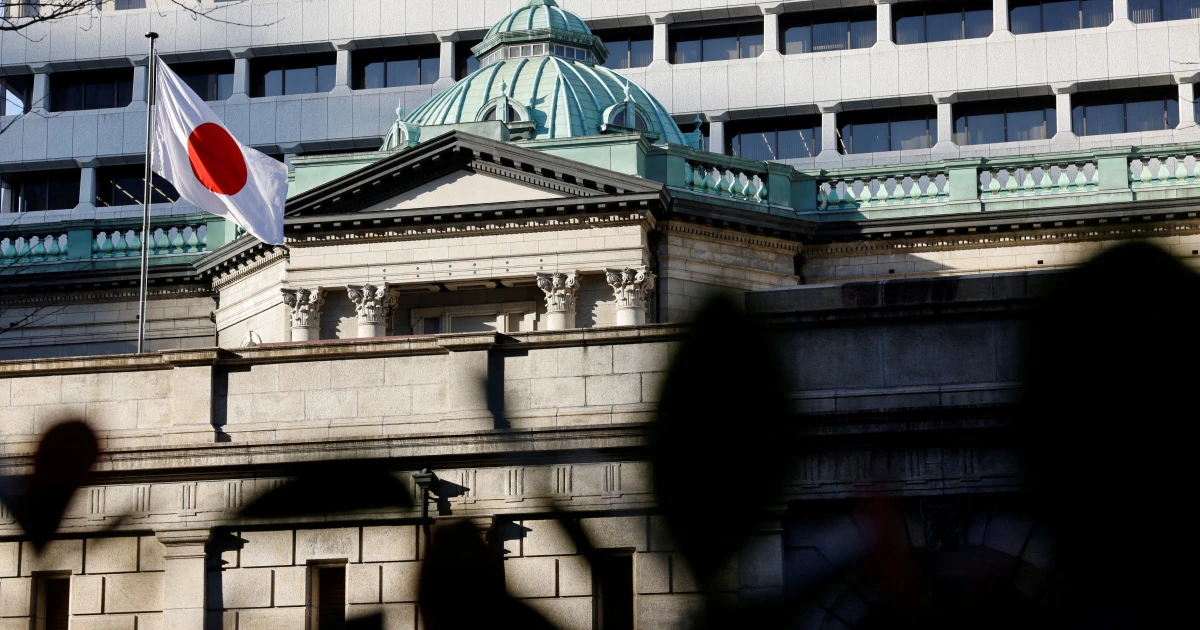
The Bank of Japan’s next monetary-policy meeting is scheduled for July 30-31, 2026, with its policy rate listed at around 1.0%. Japan’s fiscal materials continue to stress the link between interest rates, growth and debt sustainability, and that message is now colliding with a market that is demanding a higher premium to own long-dated government debt. A Reuters report on July 2 had already said Japanese government bonds were tumbling on renewed fiscal concerns, suggesting Thursday’s jump was part of a wider reassessment rather than a one-day shock.
Sources
- [1]money.usnews.com
- [2]aol.com
- [3]brecorder.com
- [4]mof.go.jp
- [5]boj.or.jp
- [6]japannews.yomiuri.co.jp